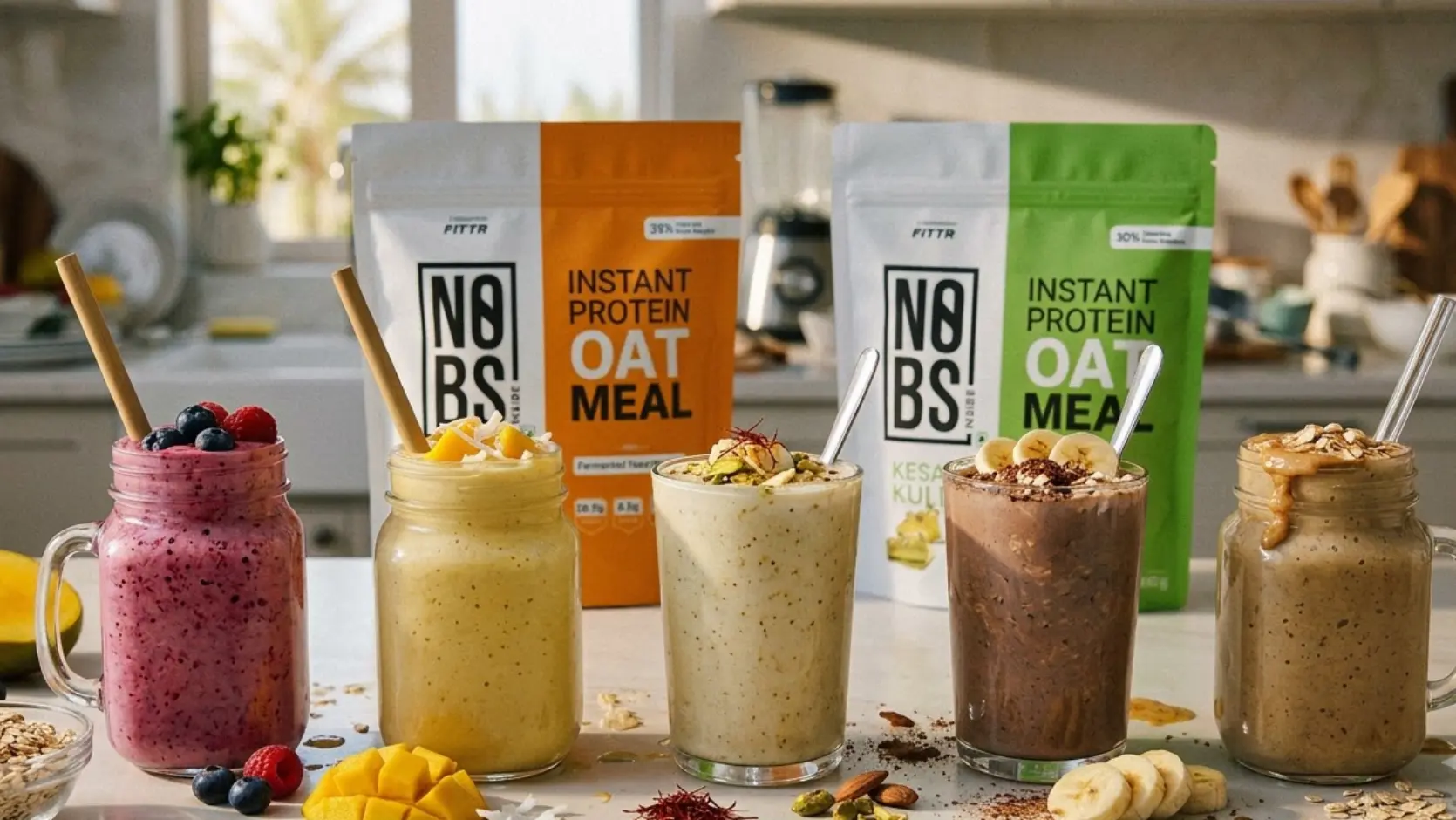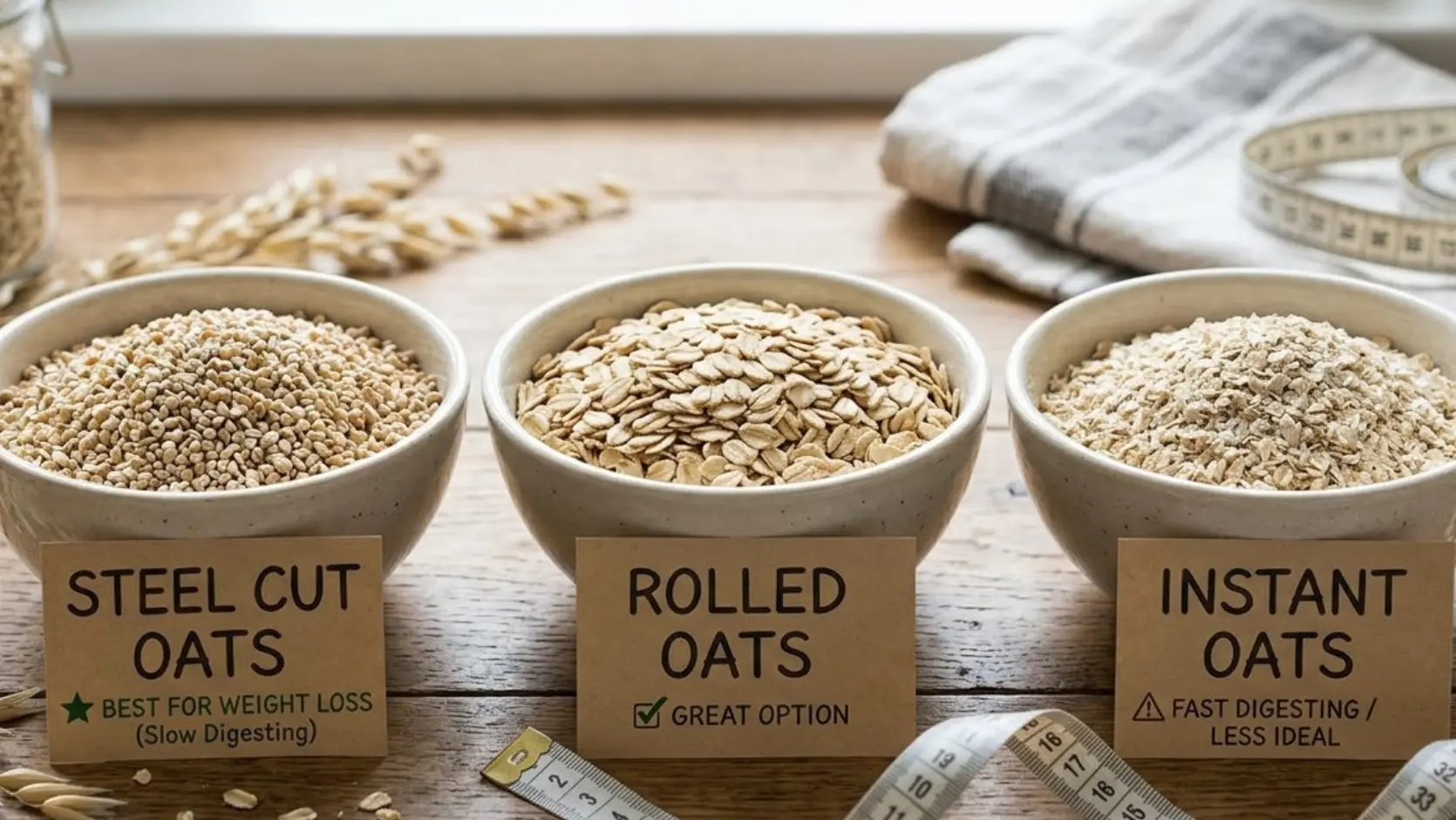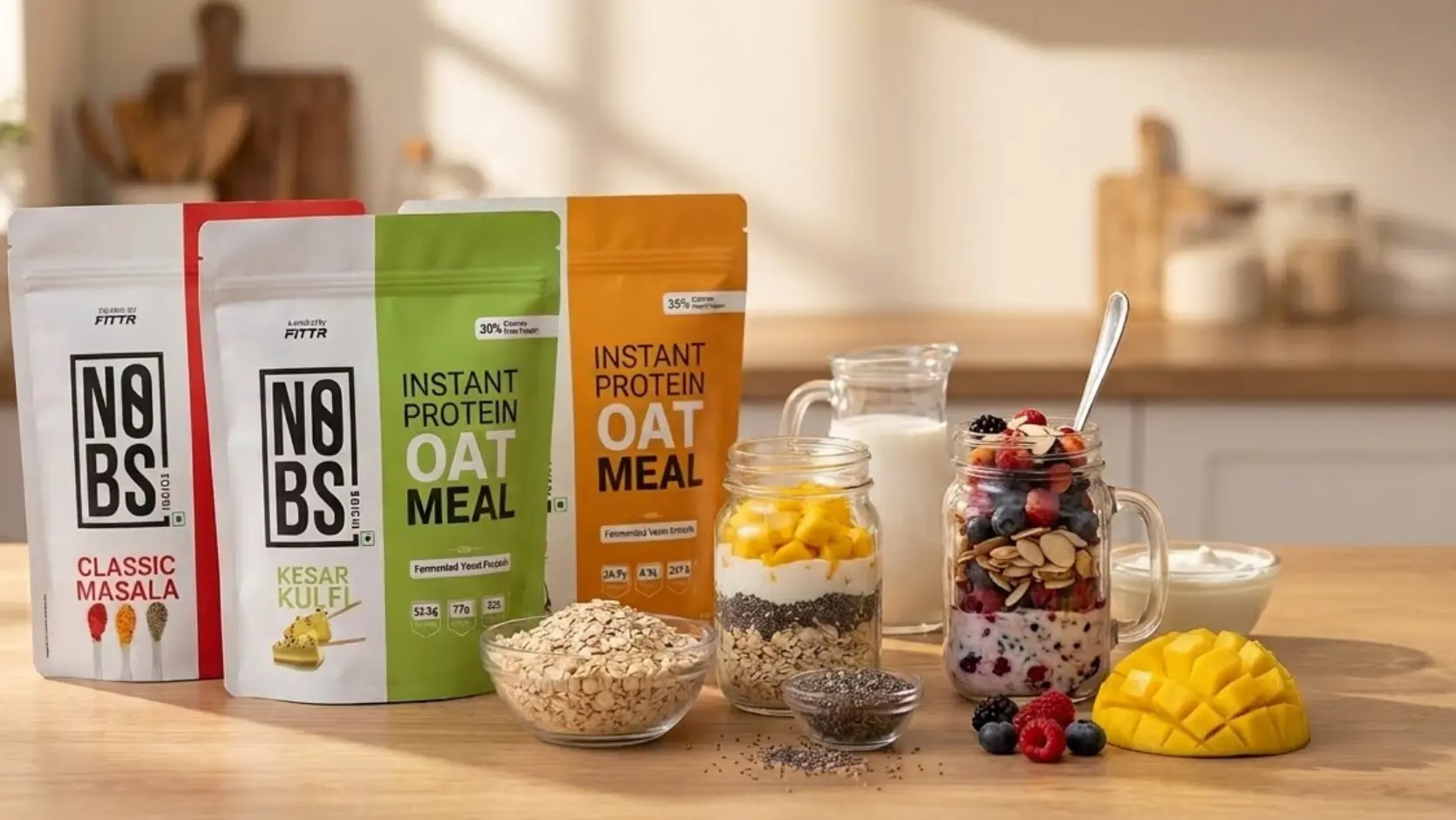
Why Overnight Oats Work So Well for Weight Loss
Overnight oats and weight loss pair naturally for a simple reason: soaking oats in the fridge retains virtually all of the fiber and satiety benefit of cooked oatmeal, while pre-portioning the meal the night before removes the guesswork that often leads to oversized bowls in a rushed morning.
The four recipes below cover a genuine range of tastes – protein-forward, fruit-forward, indulgent and savory – so you have real variety to rotate through rather than a single formula to repeat every day.
The Base Overnight Oats Recipe
Every variation below builds on the same simple base, so it is worth getting this ratio right first.
Ratios That Actually Work
A reliable starting ratio is 40-50 grams of rolled oats to roughly 100ml of milk or a milk alternative, plus a tablespoon of yogurt for creaminess. Combine in a jar, stir well, and refrigerate for at least six hours or overnight.
If you prefer a thinner, more drinkable consistency, add an extra 20-30ml of liquid; for a thicker, spoonable texture closer to traditional porridge, reduce the liquid slightly instead.
Recipe 1: High-Protein Overnight Oats
This version is built specifically to extend fullness for anyone actively trying to lose weight with overnight oats as a regular breakfast.
Greek Yogurt and Protein Powder Combo
Use the base ratio, replacing the tablespoon of yogurt with three to four tablespoons of Greek yogurt, and stir in half a scoop of your preferred protein powder before refrigerating. This single swap can add 15-20 grams of protein to the meal for a modest calorie cost.
Vanilla or unflavoured protein powder tends to blend most naturally into this recipe, though chocolate protein works well too if you prefer a dessert-like flavour for breakfast.
Recipe 2: Berry and Chia Overnight Oats
This variation leans on extra fiber rather than extra protein, useful for anyone who already gets enough protein elsewhere in the day.
Extra Fiber Without Extra Sugar
Add a teaspoon of chia seeds to the base recipe along with a handful of fresh or frozen berries, stirred in before refrigerating. The chia seeds swell overnight in the same way the oats do, adding a second layer of the gel-forming fiber that supports fullness.
Recipe 3: Peanut Butter Banana Overnight Oats
A genuinely satisfying, higher-calorie variation that still fits comfortably within most calorie targets if portioned correctly.
Keeping It Calorie-Conscious
Use half a small banana, mashed into the base mixture, with a level teaspoon (not tablespoon) of peanut butter stirred through before refrigerating. This keeps the indulgent flavour while avoiding the calorie overshoot a generous spoon of peanut butter can quietly add.
Recipe 4: Savory Masala Overnight Oats
Not every overnight oats recipe for weight loss needs to be sweet – a savory version is a genuinely useful way to avoid palate fatigue from sweet breakfasts every single day.
A Non-Sweet Option Worth Trying
Soak the oats in the base ratio using unsweetened milk or water, then in the morning warm gently and stir through sautéed vegetables, a pinch of turmeric, cumin and a squeeze of lemon for a savory, filling alternative to the usual sweet preparations.
How to Meal Prep Overnight Oats for the Week
Batch-preparing several jars at once is one of the most effective ways to make overnight oats a sustainable weekly habit rather than an occasional effort.
Storage and Freshness Tips
Prepare three to four jars at a time, storing them in the fridge for up to four days. Add fresh fruit toppings just before eating rather than at prep time, since pre-added fruit can turn watery and less appealing by day three or four.
Wide-mouth mason jars work particularly well for this, since they make both preparation and eating straightforward, and their transparency means you can see at a glance how many portions you have left for the week.
Troubleshooting Common Overnight Oats Problems
A handful of small issues account for most complaints people have with overnight oats, and each has a straightforward fix once you know what is causing it.
Too Runny, Too Thick, or Bland
A jar that turns out too runny usually means too little oats relative to liquid – nudge the ratio toward slightly more oats next time. Too thick generally means the oats have absorbed more liquid than expected overnight, easily fixed by stirring in a splash of milk before eating. Bland results almost always trace back to skipping spices or sweetener entirely; a pinch of cinnamon or vanilla extract costs nothing in calories but meaningfully improves the eating experience.
Overnight Oats for Different Goals
While every recipe above is written with weight loss in mind, small adjustments let the same base recipe serve slightly different goals without starting from scratch.
Muscle Gain vs Fat Loss Adjustments
For a fat-loss focus, keep portions closer to the base ratio and lean on the protein and berry variations for maximum fullness per calorie. For a muscle-gain phase, a slightly larger oats portion, an added tablespoon of nut butter, and a full scoop rather than half a scoop of protein powder increase the calorie and protein density without changing the core preparation method at all.
Common Mistakes That Undo the Weight Loss Benefit
- Adding honey, chocolate spread or sweetened condensed milk generously, which quickly offsets the calorie savings of the base recipe.
- Using full-fat flavoured yogurt instead of plain, which adds sugar without adding meaningfully more protein.
- Skipping the protein addition entirely, which shortens how long the meal keeps you full.
- Preparing portions freehand instead of measuring, leading to gradually larger jars over time.
- Assuming any overnight oats recipe is automatically low-calorie regardless of what goes into it.
Overnight Oats vs Cooked Oatmeal for Weight Loss
It’s worth being clear about how the overnight method compares with traditionally cooked oatmeal, since some people assume one must be meaningfully better than the other for weight loss specifically.
Nutritionally Similar, Practically Different
The fiber and satiety benefit is essentially the same between the two, since neither cooking nor soaking meaningfully destroys the beta-glucan fiber responsible for that effect. The real difference is practical: overnight oats require zero morning effort and travel well in a jar, while cooked oatmeal offers a warm, freshly-made texture some people simply prefer. Choosing between them comes down to lifestyle fit rather than any weight-loss advantage one holds over the other.
How Many Calories Should Your Overnight Oats Have?
A typical protein-forward overnight oats jar, built on the base recipe with a protein addition and modest fruit, generally lands in the region of 300-400 calories – a reasonable breakfast size within most weight-loss calorie targets, though your own target should guide the exact portion. Fittr’s body fat calculator can help you work out where your daily calorie target should sit.
The Bottom Line
Overnight oats for weight loss work because they combine genuine fiber and satiety benefits with the convenience of a grab-and-go breakfast that is already portioned the night before. The four recipes above give you enough variety to build a rotating weekly routine rather than eating the same bowl every single day.
For the broader evidence behind why oats support weight loss generally, see Fittr’s guide to oats for weight loss.
Whichever recipe you start with, the habit matters more than the specific formula. A jar prepared imperfectly but eaten consistently every morning will do more for a weight-loss goal than a perfect recipe used once and then abandoned a week later.
Frequently Asked Questions
Do overnight oats actually help you lose weight?
They can, by providing a filling, fiber-rich breakfast that supports a calorie deficit – the effect depends on portion size and toppings, not the overnight preparation itself.
What is a good overnight oats recipe for weight loss?
A base of 40-50 grams of oats, 100ml of milk, a spoon of Greek yogurt and a protein addition, kept low in added sugar, is a reliable starting recipe.
Can I lose weight with overnight oats every day?
Yes, provided the recipe stays reasonably low in added sugar and fits within your overall daily calorie target.
How long do overnight oats and weight loss recipes keep in the fridge?
Most overnight oats keep well for three to four days when stored in a sealed container, with fresh toppings added just before eating.
Are overnight oats better than cooked oatmeal for weight loss?
Neither is inherently better – both retain similar fiber and satiety benefits, so the right choice comes down to convenience and personal preference.
A Better Morning Begins with Better Choices
Overnight oats for weight loss, an overnight oats recipe for weight loss, or simply trying to lose weight with overnight oats – the four recipes above give you a genuine starting toolkit rather than a single rigid formula.
Pick one, prep a few jars this week, and let consistency – more than any single ingredient – do the actual work.