Why High Protein Oats Have Become So Popular
Plain oats already offer a reasonable amount of protein for a grain, but the rise of dedicated high protein oats products and DIY protein-boosted preparations reflects a genuine gap many fitness enthusiasts noticed: a standard bowl of oats alone rarely delivers enough protein to meaningfully support muscle-focused goals on its own.
This guide covers what high protein oats actually are, how they compare to plain oats, and practical ways to build genuinely protein-rich oatmeal into a fitness-focused routine.
What Counts as “High Protein” Oats?
There is no strict regulatory definition, but in practice, high protein oats generally refers to either oats products fortified with additional protein sources during manufacturing, or homemade preparations where protein-rich ingredients are added to standard oats.
Fortified Products vs DIY Additions
Commercial protein oatmeal products typically blend oats with added whey, soy, or pea protein isolate to boost the total protein per serving considerably above what plain oats provide on their own. A DIY approach achieves a similar result by stirring protein powder, Greek yogurt, or other protein sources into ordinary plain oats.
How Much Protein Do Plain Oats Actually Have?
Plain oats are not protein-free by any means – a standard 40g dry serving typically provides around 5-6 grams of protein, a genuinely useful base compared to many other grains, but still well short of what most fitness goals require from a single meal.
Why This Baseline Matters
Understanding this baseline helps explain why “high protein” versions and additions matter so much for fitness-focused eating – doubling or tripling that 5-6 gram baseline through fortification or added ingredients is what turns oats from a reasonable breakfast into a genuinely protein-adequate one.
Why Protein Matters Alongside Oats Specifically
Oats bring fiber and slow-digesting carbohydrate to a meal, while protein brings the amino acids needed for muscle repair and growth, plus its own independent satiety benefit. Combined, the two create a meal that supports both fullness and body composition goals far better than either alone.
The Combined Effect on Satiety and Recovery
Fittr’s guide to how much protein you actually need explains why hitting adequate protein at each meal, oats included, matters more than most people realise for both fat loss and muscle-building goals.
Best Ways to Boost Protein in Your Oats
Several genuinely effective methods exist for turning a standard bowl of oats into a high protein oatmeal, each with different practical trade-offs.
- Protein powder – the most concentrated option, typically adding 20-25g of protein per scoop with minimal added volume or calories.
- Greek yogurt – adds 10-15g of protein per generous serving alongside a creamy texture, though it also adds some calories.
- Milk instead of water – a modest protein boost of around 6-8g per 200ml, alongside the flavour benefit.
- Egg whites stirred in during cooking – an unconventional but effective option, particularly for savory masala-style oats.
- Cottage cheese or paneer – a good option for savory preparations, adding meaningful protein without dominating the flavour.
Commercial High Protein Oats Products
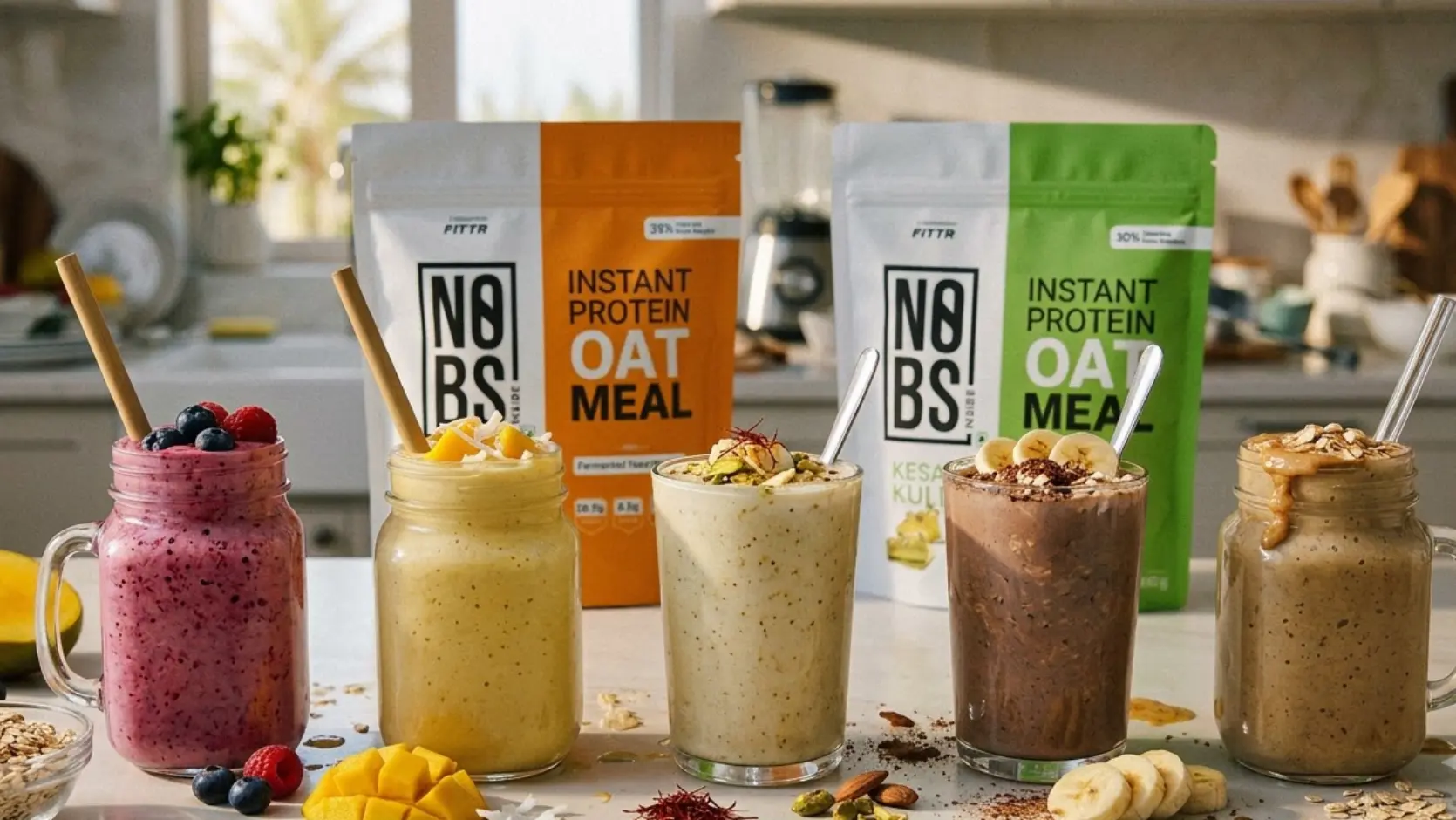
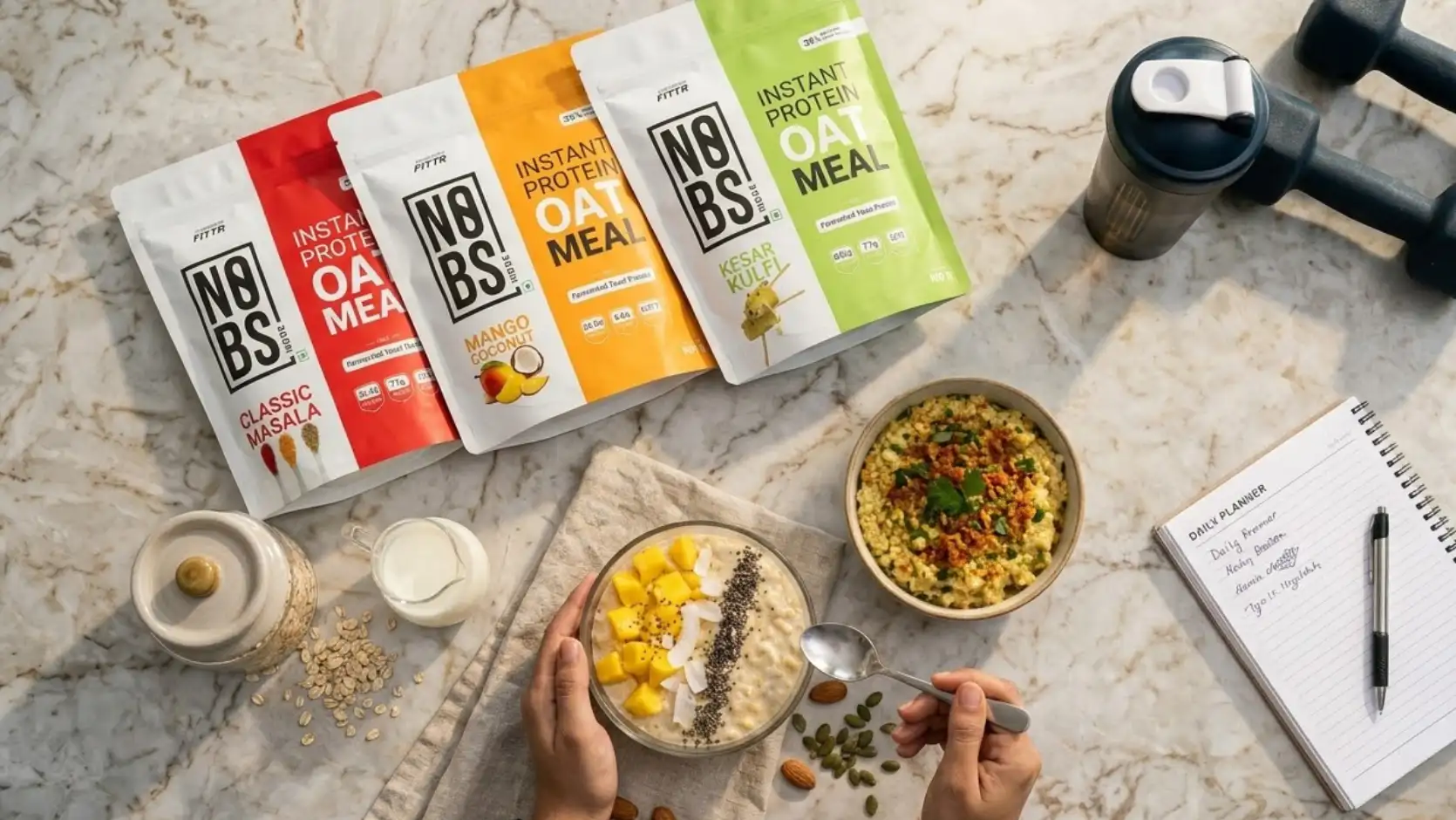
A number of brands now sell dedicated high protein oats products, typically fortified with whey, soy or pea protein isolate blended directly into the oats during manufacturing.
What to Check Before Buying
When comparing commercial high protein oatmeal products, check the actual grams of protein per serving on the label rather than trusting front-of-pack claims, and compare that figure against simply adding your own scoop of protein powder to plain oats, which is often both cheaper and gives you more control over the total amount.
High Protein Oats for Different Goals
How much protein you should aim for in your oats depends heavily on your specific fitness goal and the rest of your daily protein intake.
Matching Protein Content to Your Goal
For general health, boosting a standard bowl to around 15-20g total protein is a reasonable target. For active muscle-building goals, pushing toward 25-30g in a single meal, using protein timing principles, can meaningfully support recovery and growth when combined with adequate total daily intake.
A Simple High Protein Oats Recipe
This base recipe delivers a genuinely useful protein amount without complicated ingredients.
Ingredients and Method
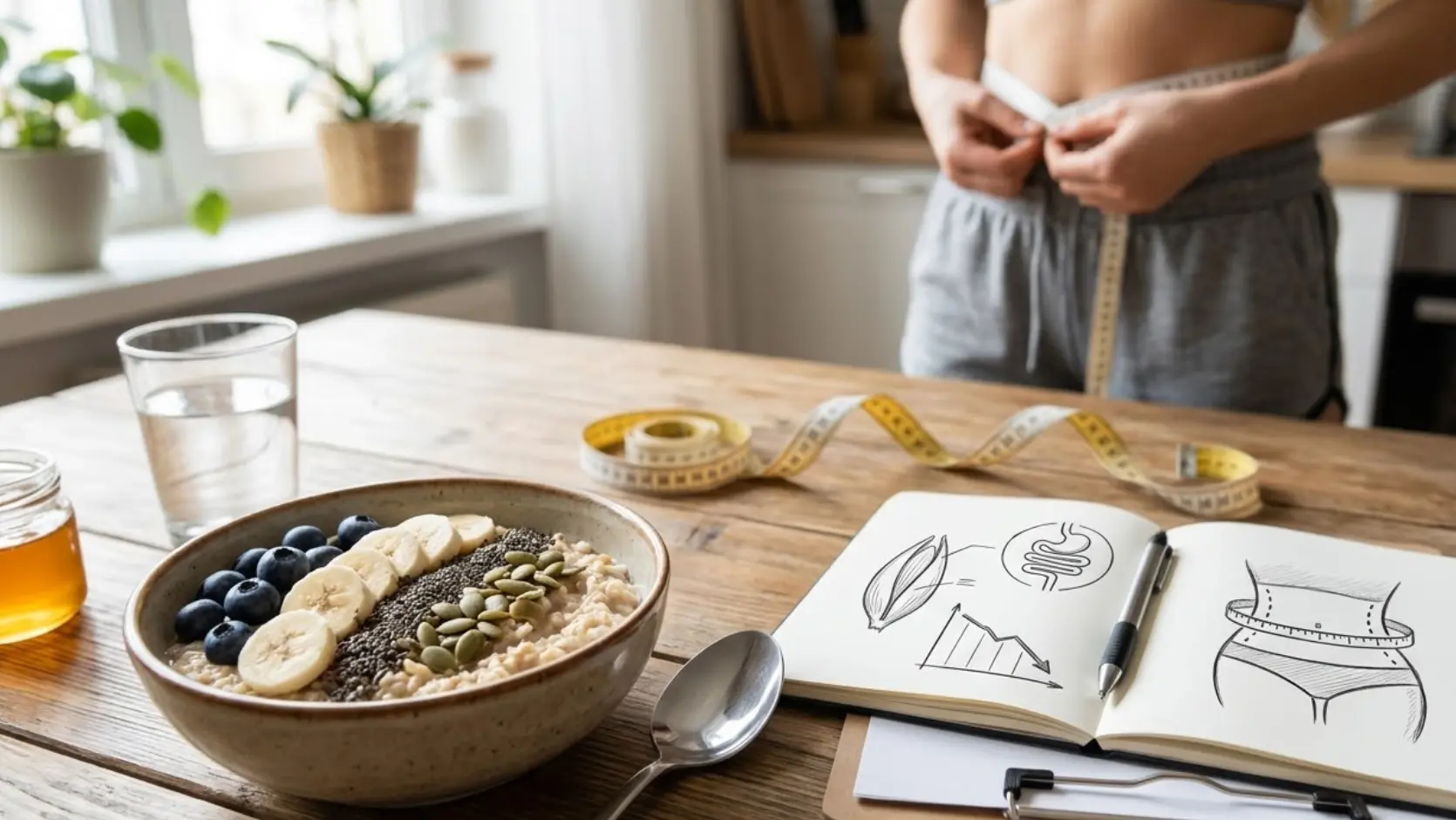
Cook 40g of oats in 200ml of milk, then stir in half to a full scoop of protein powder once removed from heat, along with a spoon of Greek yogurt. Top with berries or a few chopped nuts. This combination typically delivers 25-30g of protein depending on your specific protein powder.
Do High Protein Oats Taste Different?
Fortified commercial products and DIY protein additions both change the texture and flavour of oats somewhat, and it is worth knowing what to expect before committing to either approach as a daily habit.
Managing the Texture and Flavour Trade-Off
Protein powder can make oats slightly thicker or gummier if added during cooking rather than after, so stirring it in once the oats are off the heat generally produces a better texture. Fortified commercial products are formulated to minimise this issue, which is one genuine advantage they offer over a DIY approach.
Common Mistakes With High Protein Oats
- Assuming a product labelled “protein oats” automatically contains a meaningful protein boost without checking the actual label figure.
- Adding protein powder while oats are still actively cooking, which often results in a gummy, less pleasant texture.
- Overloading on high-calorie protein additions like full-fat cheese, offsetting the benefit with unnecessary extra calories.
- Ignoring total daily protein intake and assuming one high-protein breakfast alone meets your full daily requirement.
- Choosing flavoured, sweetened protein oats products without checking their added sugar content alongside the protein figure.
High Protein Oats and Long-Term Health
Beyond immediate fitness goals, consistently getting adequate protein at breakfast, oats-based or otherwise, is associated with better satiety and weight management over the long term, not just in any single training phase.
Why This Matters Beyond a Single Bulk or Cut
Fittr’s guide to protein and longevity covers why adequate protein intake, sustained over years rather than just during an active training block, plays a genuine role in long-term muscle maintenance and healthy aging.
High Protein Oats and Overall Daily Protein Targets
A single high protein breakfast, however well built, is only one part of meeting your overall daily protein needs, which should be distributed reasonably across your meals rather than concentrated in one sitting.
Fitting Oats Into Your Full Day
Use a tool like Fittr’s macro calculator to understand your total daily protein target, then treat a high protein oats breakfast as one meaningful contribution toward that number rather than the whole solution on its own.
Common Myths About High Protein Oats
- Oats themselves are not protein-free; plain oats already provide a reasonable baseline before any fortification or additions.
- A higher protein content does not automatically mean a healthier product if it comes with significant added sugar or excessive processing.
- DIY protein additions are not inferior to commercial fortified products; both can deliver comparable results.
- High protein oats will not build muscle on their own without adequate total daily protein and resistance training alongside them.
- Not everyone needs maximum protein content in their oats; the right target depends on your specific goal and overall diet.
The Bottom Line
High protein oats, whether from a fortified commercial product or a simple DIY addition of protein powder or Greek yogurt, genuinely close the gap between what plain oats offer and what most fitness goals actually require from a single meal. The method you choose matters less than checking the real protein content and building it consistently into your routine.
For the evidence behind why oats support weight loss and fitness goals, explore Fittr’s guide to oats for weight loss. It explains how oats promote fullness, provide sustained energy, and support healthy eating habits.
To maximize the benefits of protein oats, understand your total daily protein needs. Meeting your daily protein target helps support muscle recovery, satiety, and overall fitness, ensuring the rest of your meals align with your health goals.
Frequently Asked Questions
What are high protein oats?
Oats products or preparations with added protein – either fortified during manufacturing with whey, soy or pea protein, or boosted at home with protein powder, yogurt or eggs.
How much protein do plain oats have?
A standard 40g dry serving typically has around 5-6 grams of protein, which most fitness goals require boosting further through additions or fortification.
What is the best high protein oats option?
The best option is whichever delivers your target protein amount at a reasonable calorie cost and that you’ll actually eat consistently – commercial or DIY both work well.
Do high protein breakfast oats taste different from plain oats?
Slightly – protein powder can affect texture if added during cooking, so stirring it in after cooking generally gives a better result.
Can I make protein oatmeal at home instead of buying it?
Yes, adding protein powder, Greek yogurt or eggs to plain oats is often cheaper and gives you more control than buying pre-fortified products.
Nutrition That Powers Every Rep
High protein oats, protein oatmeal, or high protein breakfast oats – whichever term brought you here, the core principle stays the same: check the actual protein content, boost it deliberately if needed, and build it into a consistent routine.
Whether you choose a commercial product or a simple DIY addition, protein-rich oats can become one of the most reliable meals in a fitness-focused diet.