








Introduction
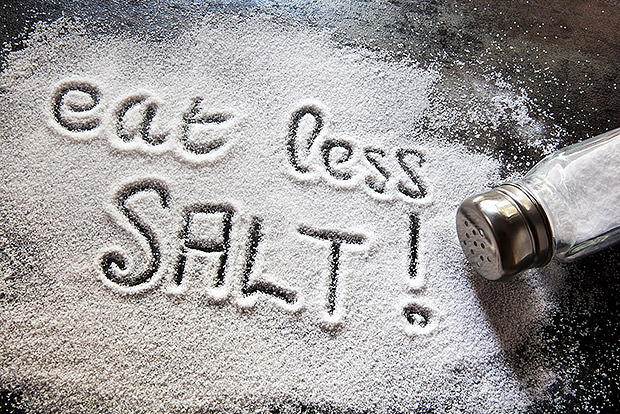
Salt is one of the most misunderstood nutrients in nutrition. On one side you hear that salt is dangerous and should be restricted as much as possible. On the other, some people claim that low salt diets are harmful and that most people actually need more sodium, not less. The truth sits somewhere in between, and it becomes clearer when you look at what sodium actually does in the body. Sodium is an essential electrolyte that helps maintain fluid balance, supports nerve signalling, and allows muscles including the heart to contract properly. Without enough sodium the body cannot function normally. But the fact that sodium is essential does not mean more is better.
How Much Sodium Are People Actually Consuming?
In modern diets, sodium intake is often far above physiological needs. This is not primarily because people are adding too much salt at home. It is mainly due to packaged foods, restaurant meals, sauces, and processed snacks where sodium is added for preservation and taste. Across many populations, average sodium intake typically ranges between 3,000 to 5,000 mg per day, which is far above what the body requires for basic functioning.
Most major health organisations recommend around 1,500 mg of sodium per day as an optimal intake and not more than 2,300 mg per day as a practical upper limit for the general population. That is roughly equivalent to 3.5 to 6 grams of salt per day, since salt is about 40 percent sodium. So if the guidelines are relatively clear, where does the controversy come from?
The Sodium Controversy: Why the Debate Exists
The main debate around sodium comes from differences in research findings and how they are interpreted. Some large observational studies have suggested that both very high and very low sodium intakes are associated with higher health risks, which has been used to argue that aggressive sodium restriction may not be necessary for everyone. However, these findings come with important limitations. Many studies rely on spot urine samples which are less accurate than full 24 hour collections, and people with existing illnesses may reduce salt intake after diagnosis, making it look as though low sodium caused the problem rather than the other way around.
When more controlled evidence is considered, especially randomised trials and metabolic studies, the pattern becomes more consistent. Higher sodium intake increases blood pressure, and lowering sodium reduces blood pressure in both hypertensive and normotensive individuals. Large pooled analyses using more accurate measurements have shown that each additional 1,000 mg of sodium per day is associated with a measurable increase in cardiovascular risk, while higher potassium intake shows the opposite effect. Even modest reductions in blood pressure at the population level can significantly lower rates of stroke and heart disease, which is why most global guidelines still recommend keeping sodium intake within moderate limits.
What Matters More Than a Single Number
The most important insight from modern research is that sodium does not act alone. Its effects depend heavily on overall diet quality, especially potassium intake. People who consume high sodium but also eat large amounts of fruits, vegetables, and potassium rich foods tend to have lower cardiovascular risk than those who consume high sodium alongside low quality, processed diets.
So the real issue is not just too much salt. It is often too much sodium combined with too little potassium. The sodium to potassium ratio in the diet appears to be a more meaningful predictor of cardiovascular risk than sodium intake in isolation. This shifts the focus from obsessing over a single number to building an overall dietary pattern where potassium rich whole foods are consistently present.
A Practical Way to Think About Salt
For most people, the goal is to stay within a moderate sodium range of roughly 1,500 to 2,300 mg per day while focusing on potassium rich whole foods like fruits, vegetables, legumes, dairy, and nuts. The biggest contributors to excess sodium are packaged snacks, instant foods, sauces and condiments, and restaurant and takeaway meals. Reducing these sources automatically lowers sodium intake without needing to micromanage salt at home.
This approach is more sustainable and more effective than attempting to eliminate salt entirely. Cooking at home with real ingredients and building meals around whole foods naturally brings sodium intake into a healthier range while simultaneously increasing potassium, fibre, and the other nutrients that support cardiovascular health. It is the overall dietary pattern that drives outcomes, not any single decision about the salt shaker.
The Bottom Line
Sodium is essential, but modern diets often provide far more than the body needs. Most health authorities recommend keeping intake below about 2,300 mg per day, with lower targets for optimal health. The controversy around salt largely comes from differences in study methods and interpretations, not because sodium suddenly became harmless at high doses.
What matters most is the overall dietary pattern. A moderate sodium intake combined with consistently high potassium foods creates a much healthier internal balance than either extreme. In practical terms, heart health is less about eliminating salt entirely and more about building a diet where whole, potassium rich foods are present every single day.
References:
https://pmc.ncbi.nlm.nih.gov/articles/PMC9174123/pdf/13668_2021_Article_383.pdf