








Introduction:
Ask almost anyone what they need to cut to lose weight and you will hear the same answer. Carbs. No bread. No rice. No pasta. Fruit has too much sugar. Potatoes are fattening. Even oats make some people nervous. The fear of carbohydrates has become so deeply embedded in diet culture that millions of people genuinely believe that eating a bowl of rice is what is standing between them and the body they want. It is not. And the science has been clear about this for a long time.
What Carbohydrates Actually Are
Carbohydrates are one of the three macronutrients your body uses for energy, alongside protein and fat. But not all carbohydrates are the same thing, and confusing them is where most of the misinformation starts. Simple carbohydrates are essentially simple sugars, found in high concentrations in sodas, candy, syrups, energy drinks, pastries, biscuits, and most processed snack foods. Nutritionists often call these empty calorie foods because they deliver calories with very little nutritional value in return. You will not find meaningful amounts of fibre, vitamins, or minerals in most of them.
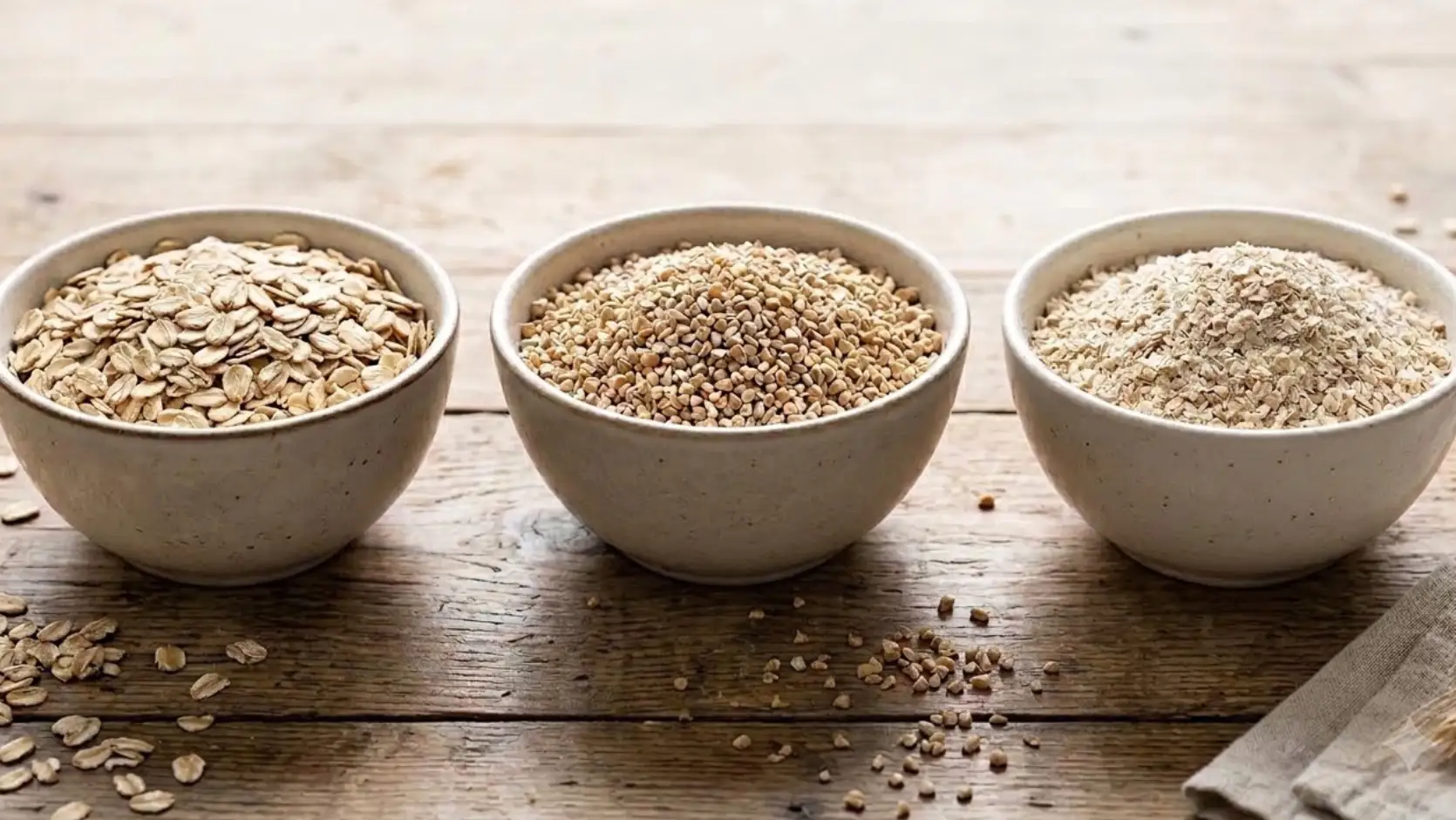
Complex carbohydrates are a completely different category. These are whole food plant sources including fruits, vegetables, whole grains, legumes, oats, sweet potatoes, and brown rice. Unlike simple carbohydrates, these are packed with fibre, vitamins, minerals, and phytochemicals — natural plant compounds that play an important role in disease prevention. Many of them also provide a meaningful amount of protein. Whenever someone talks about carbohydrates as if they are one single thing, this distinction is already being ignored. And ignoring it is the root of almost every carb myth that exists.
Why Weight Gain Actually Happens
Your body weight is determined by the relationship between the calories you consume and the calories you expend over time. Eat more than your body needs consistently and you will gain weight. Eat less than your body needs consistently and you will lose weight. This applies to every macronutrient equally. Consuming too much of anything, even genuinely healthy food, can result in weight gain if total calorie intake exceeds total calorie expenditure day after day. Weight gain is not caused by carbohydrates. It is caused by the overconsumption of calories from any source.
The reason carbohydrates became the target of so much blame is understandable but misleading. A lot of the most calorie dense, most easily overeaten foods in the modern food environment happen to contain carbohydrates. When people remove these foods and lose weight, they assume carbohydrates were the problem. But what actually changed was their total calorie intake and the quality of what they were eating, not the simple presence of carbohydrates in their diet. When researchers directly compare high carbohydrate diets to low carbohydrate diets with total calories matched equally, they consistently find no meaningful difference in fat loss outcomes. The calorie balance determines the result, not the carbohydrate content.
The Type of Carbs You Eat Matters Enormously
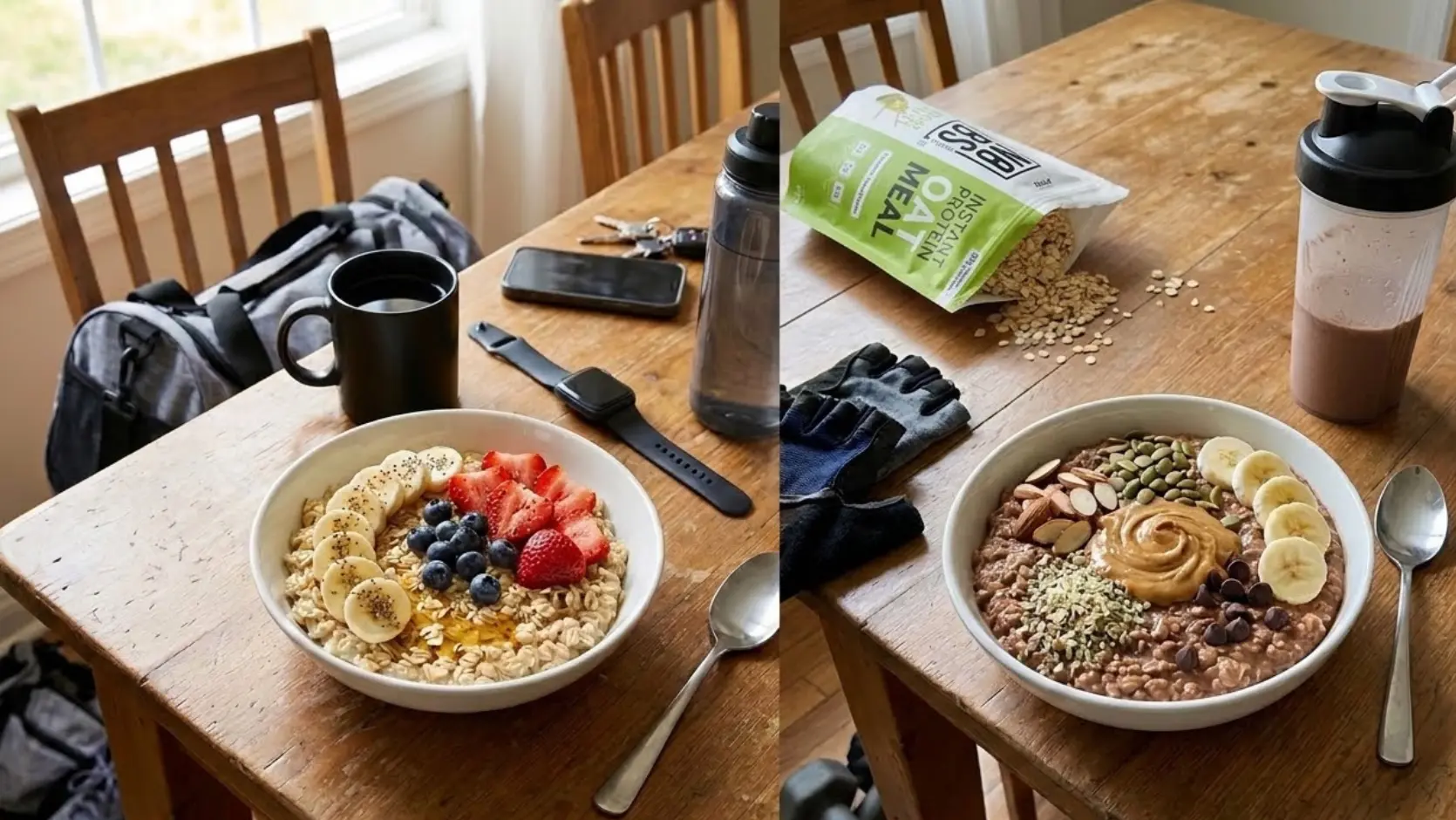
Think about two foods that both contain carbohydrates. A bowl of oats with some fruit. And a can of fizzy drink. Both contain carbohydrates. But everything else about them is completely different. The oats come with fibre that slows digestion and keeps blood sugar stable, keep you full for hours, and deliver vitamins and minerals. It would take real effort to overeat oats to the point of meaningfully exceeding your calorie needs. The fizzy drink has no fibre, no meaningful nutrients, and digests almost instantly. It causes a rapid rise in blood sugar and does virtually nothing to make you feel full. You can drink several hundred calories worth in minutes without your body registering that it has received any nourishment at all.
It is also worth addressing fruit specifically, because fruit gets unfairly caught in the low carb crossfire. Yes, fruit contains natural sugar. But the natural sugars in fruit are fundamentally different from the added sugars in processed foods. Fruit comes packaged with fibre, water, vitamins, minerals, and antioxidants. The fibre slows how quickly that sugar enters your bloodstream. The recommendation from dietary guidelines is not to fear fruit but to limit added sugars — the kind found in sugary drinks, desserts, and processed snacks — to less than ten percent of your total daily calorie intake. Your berries and bananas are not the problem.
A Few Myths Worth Addressing Directly
Should you avoid carbs at night? No. Your body processes carbohydrates the same way regardless of the time of day. There is no evidence that eating carbohydrates in the evening promotes weight gain beyond what the calories themselves would account for at any other time of day. What matters is what you eat and how much, not the clock on the wall when you eat it.
Are low carb diets the best way to lose weight? There is no evidence that low carb diets are superior to other approaches when calories and protein are matched. When low carb diets do produce weight loss, it is because they reduce overall calorie intake and cause an initial loss of water weight stored alongside carbohydrates in muscle tissue. The carbohydrate reduction itself is not the mechanism of fat loss. Beyond sustainability, severely restricting carbohydrates can negatively impact health. Carbohydrates are the primary fuel source for your brain. Extreme restriction forces the body into a state of ketosis where fat is burned as fuel instead of glucose, which can lead to dehydration, fatigue, and chemical imbalances if not managed carefully.
What Happens When You Eat Carbs in Sensible Amounts
The current dietary guidelines recommend that 45 to 65 percent of your total daily calories come from carbohydrates, with the majority coming from complex whole food sources. By choosing complex carbohydrates from whole grains, fruits, vegetables, and legumes, you significantly reduce your risk of developing type 2 diabetes, cardiovascular disease, and certain cancers. These foods support healthy cholesterol levels, blood sugar regulation, digestive health, and long term weight management.
If you train regularly, moderate carbohydrate intake becomes even more important. Your muscles store carbohydrates as glycogen and use that glycogen as their primary fuel source during exercise. When carbohydrate intake is chronically too low, training quality deteriorates. You feel flat, fatigued, and unable to push hard enough to build the muscle and strength you are training for. Eating enough carbohydrates from quality whole food sources is not a compromise in your diet. It is what allows everything else in your diet and training to actually work properly.
The Bottom Line
Carbohydrates do not make you fat. Consistently eating more calories than your body needs makes you fat, and heavily processed carbohydrate foods make that easier to do without realising it. But that is a problem with food processing, calorie density, and the absence of fibre — not with carbohydrates as a nutrient category. Simple carbohydrates from processed foods deserve to be limited, not because they are carbohydrates but because they are low in nutrients, easy to overeat, and contribute very little of value to your diet.
Complex carbohydrates from whole food sources are something your body genuinely needs. They fuel your brain, support your training, protect your long term health, and make your diet sustainable enough to actually maintain over time. The type of carbs you eat matters. The quantity relative to your needs matters. The overall quality of your diet matters. Carbohydrates themselves are not the enemy. They never were. Eat real food, include carbohydrates that come from whole sources, manage your overall intake to match your goals, and please stop being afraid of the banana.
Reference:
https://pubmed.ncbi.nlm.nih.gov/35702290/
https://pmc.ncbi.nlm.nih.gov/articles/PMC10937533/