


The Technology Behind a Body Fat Scale
A body fat scale looks like an ordinary bathroom scale but does something considerably more sophisticated – it estimates what portion of your weight is fat tissue using bioelectrical impedance analysis, a safe, low-level electrical signal that passes through your body via metal electrodes in the platform. This guide explains exactly how a body fat machine performs this body fat measure, what affects its accuracy, and how to interpret the results correctly so they actually help rather than confuse your health tracking efforts.
How Bioelectrical Impedance Estimates Fat
A body fat scale sends a tiny, imperceptible electrical current through your body and measures the resistance it encounters. Because fat tissue conducts electricity less readily than muscle or water, this resistance data lets the body fat machine calculate an estimate of your fat percentage. This method is convenient and repeatable, working in seconds while you stand on an ordinary scale, though it’s fundamentally an indirect estimate rather than a direct measurement – a distinction worth understanding before you interpret any single body fat measure reading too literally.
What Affects Body Fat Scale Accuracy
Because a body fat scale relies on electrical resistance, anything affecting your body’s water content or distribution can shift a single reading. Recent exercise, a large meal, alcohol consumption, and hydration status can all meaningfully affect a body fat machine’s estimate on any given day. This is why manufacturers recommend testing under consistent conditions – ideally first thing in the morning, before eating or exercising – since this minimises the day-to-day variability that would otherwise make your body fat measure results harder to interpret meaningfully over time.
How Accurate Is a Body Fat Scale Really?
Compared to clinical methods like DEXA scans, a consumer body fat scale can be off by a meaningful margin on any single reading – sometimes several percentage points in either direction. This doesn’t mean the device is broken; it reflects the inherent limitations of estimating composition indirectly through impedance. Where a body fat machine genuinely excels is tracking your own trend over time. The same device, used consistently under similar conditions, gives a reliable enough baseline to reveal whether your body fat measure is moving in the right direction, even without lab-precise absolute numbers.
Foot-to-Foot vs Full-Body Body Fat Machines
Foot-to-Foot Devices
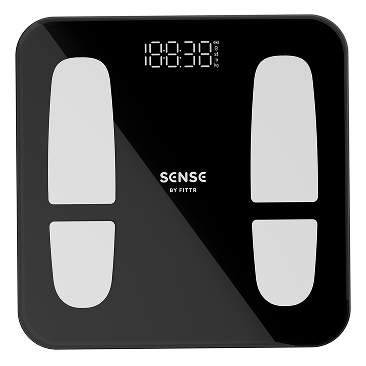
Most consumer body fat scale designs are foot-to-foot devices, sending current through your lower body via platform electrodes and estimating whole-body composition from that data alone.
Full-Body Devices
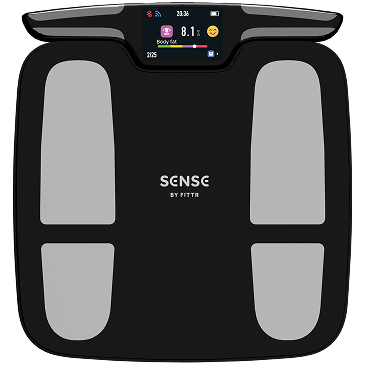
Some more advanced units add handgrip electrodes for a more complete hand-to-foot measurement path. Full-body designs generally provide somewhat more reliable body fat measure results and can offer segmental data – separate estimates for each limb – that a foot-only body fat machine cannot capture, though at a higher cost than the simpler foot-only consumer models most households own.
Getting the Most Reliable Body Fat Scale Results
For the most consistent body fat measure readings, test at the same time each day, ideally in the morning before eating or drinking, and ensure bare feet make full contact with the platform electrodes rather than standing on socks or at the platform’s edge. Entering accurate height, age and gender into your body fat scale’s profile matters considerably too, since these details feed directly into the underlying calculation – incorrect information here skews every subsequent reading until you correct it in your device’s settings.
Reading Your Body Fat Scale Trend Correctly
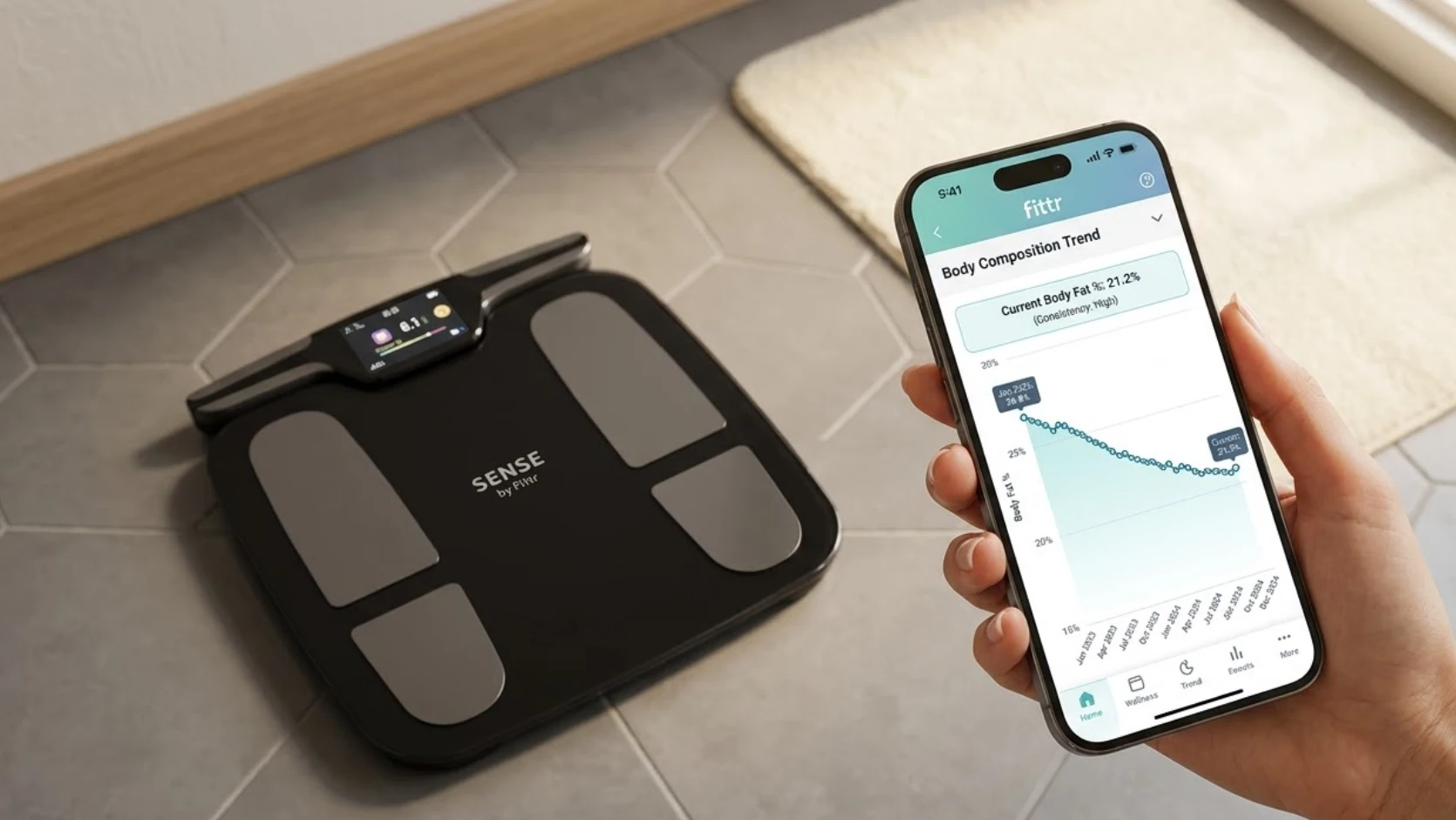
The single most valuable skill in using a body fat machine well is reading the trend rather than any individual session’s number. A steady multi-week direction in your body fat measure is genuinely meaningful progress, while daily fluctuation almost always reflects normal biological noise instead. Most body fat scale apps display this trend automatically through a simple line chart, and learning to trust that chart over any single day’s reading is what turns regular testing from a confusing source of daily numbers into a genuinely useful tool for tracking real change over time.
Body Fat Scale vs Other Measurement Methods
A body fat scale offers unmatched convenience for regular tracking compared to professional alternatives like skinfold calipers or DEXA scans, which require either trained technique or a clinic visit. This convenience is precisely what makes consistent tracking realistic for most people. For anyone wanting occasional validation of their home body fat machine’s trend data, periodic professional assessment can serve as a useful check-in, though it shouldn’t replace the convenient, frequent tracking a home body fat scale enables for genuine day-to-day progress monitoring.
Who Benefits Most From Body Fat Scale Tracking
Anyone with a specific fat-loss, muscle-gain, or recomposition goal benefits meaningfully from body fat measure tracking, since it answers a question total weight alone cannot: is your weight changing for the right reasons? General health monitoring without a composition goal can rely on weight tracking alone. Athletes and serious fitness enthusiasts often get particular value from consistent body fat scale use, since their goals frequently hinge on the balance between fat loss and muscle preservation, a distinction only body composition data – not weight alone – can genuinely reveal.
Body Fat Scale Results Across Age and Training History
Healthy body fat measure ranges vary considerably by age, sex, and training history, meaning there’s no single “ideal” number that applies universally. Athletes and highly trained individuals typically show body fat scale readings well below general population averages, reflecting years of consistent training rather than a target achievable quickly by everyone. For women specifically, essential body fat percentage is naturally higher than for men due to physiological differences, meaning comparing your body fat machine results directly against a male reference range or a different-aged reference group can lead to unnecessary and inaccurate self-judgment about what’s actually healthy for your own body.
Combining Body Fat Scale Data With Other Progress Markers
A body fat scale works best as one part of a broader picture rather than the sole measure of progress. Pairing your body fat measure trend with progress photos, measurements, and strength gains in training gives a fuller, more resilient view of change than any single metric could provide alone. This combined approach protects motivation during a genuine plateau in body fat machine readings, since visible progress in other markers – even while composition data holds steady – keeps the bigger picture in view rather than fixating on one number during a temporary, often entirely normal stall in visible progress.
When to Seek Professional Body Fat Assessment
While a home body fat scale is genuinely useful for regular tracking, certain situations call for more precise professional assessment – preparing for a specific competitive event, working through a medically supervised weight management programme, or simply wanting periodic validation of your home tracking data against a more accurate reference. For most everyday fitness goals, though, consistent home body fat measure tracking, combined with the other progress markers covered above, provides more than enough actionable information to guide your training and nutrition decisions without needing frequent professional assessment.
Common Myths About Body Fat Scales
A few misconceptions deserve a direct correction.
- A body fat scale doesn’t measure fat directly; it estimates it through electrical resistance, which is why hydration affects results.
- A single body fat measure reading isn’t diagnostic; the multi-week trend is what actually reveals meaningful change over time.
- Two different body fat machine devices disagreeing on exact numbers doesn’t mean either is broken; each is its own consistent reference.
- More expensive body fat scale models aren’t automatically wrong for home use; the right choice depends on your precision needs.
- Body fat scales aren’t only useful for athletes; they’re valuable for anyone with a general health or fitness tracking goal.
The Bottom Line
A body fat scale uses bioelectrical impedance to estimate what your weight is made of, giving you a genuinely useful body fat measure that a simple total-weight reading could never provide, even though it’s an estimate rather than a lab-precise measurement. Test consistently, trust the trend over any single body fat machine reading, and use the data to guide real decisions about your training and nutrition – that combination is what makes a body fat scale a genuinely valuable addition to your fitness routine.
Frequently Asked Questions
How does a body fat scale measure body fat?
It uses bioelectrical impedance, sending a small safe electrical current through your body and measuring resistance to estimate fat percentage.
How accurate is a body fat machine compared to clinical methods?
It’s less precise than a DEXA scan on any single reading, but reliable enough to track your own trend consistently over time.
Why does my body fat measure vary day to day?
Hydration, recent exercise, food intake and hormonal factors all affect impedance readings, which is why the trend matters most.
Should I test on a body fat scale daily or weekly?
Weekly testing under consistent conditions works well for most people; those actively training may test two or three times weekly.
Is a foot-only or full-body body fat machine better?
Full-body designs with handgrips generally offer more reliable results and segmental data than foot-only consumer models.
Measure Beyond Weight, Understand Your Body
Body fat scale, body fat machine, or a body fat measure reading – all describe the same bioelectrical impedance technology, turning a safe electrical signal into genuinely useful, trackable data over time. To act on your results, Fittr’s body fat calculator and exercise video library can help you turn your trend into real training decisions.