







Introduction
Pregnancy has always been surrounded by advice. Some of it is helpful. Some of it is outdated. And some of it is simply based on fear rather than evidence. One of the most persistent beliefs is that women should avoid lifting weights during pregnancy, especially heavy ones. Many people assume that strength training could harm the baby, increase complications, or stress the body beyond what is safe. But modern research is slowly and consistently challenging that belief. The truth is more nuanced than the myth, and pregnant women deserve to know what the science actually says.
Pregnancy Is a Physical Event, Not a Fragile State
For much of modern history, pregnant women were encouraged to rest, avoid physical exertion, and minimise movement. These recommendations were shaped by an era that viewed pregnancy as a delicate condition and physical activity as a risk. But research over the last few decades has completely changed this perspective. Today we know that pregnancy itself is physically demanding, and labour in particular resembles an intense athletic event. Oxygen demand increases dramatically, breathing rate rises significantly, muscles perform repeated high intensity contractions, and the body undergoes prolonged physical exertion over hours.
Because of this, researchers increasingly view pregnancy and childbirth through the lens of physical preparedness. Some scientists now describe labour as a physiological challenge similar to endurance sports. This shift in understanding has led to a fundamentally different question. If pregnancy is this physically demanding, should women actually be training for it?
The Proven Benefits of Exercise During Pregnancy
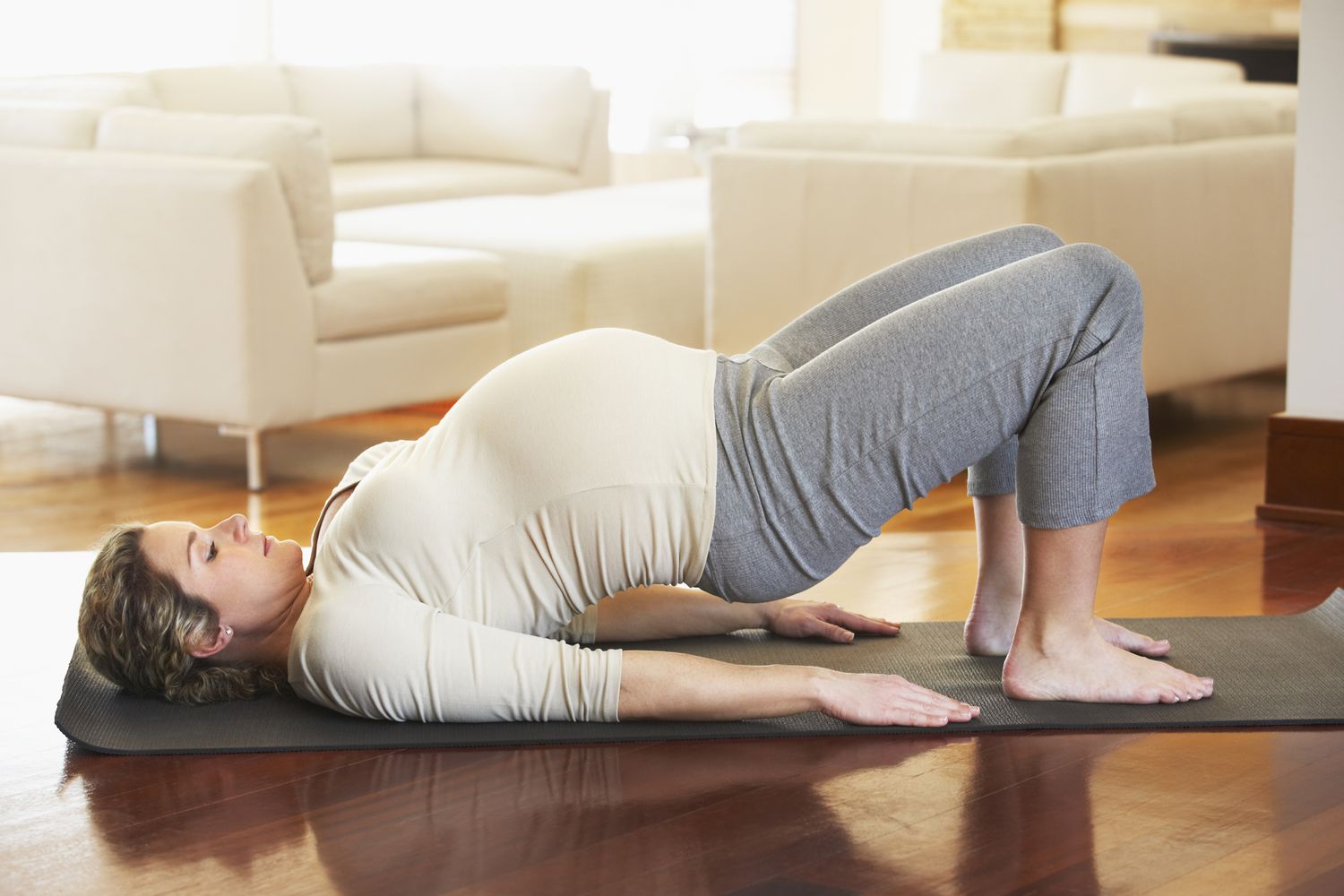
Exercise during pregnancy has strong scientific support across a wide range of outcomes. Research consistently shows that physical activity during pregnancy reduces the risk of gestational diabetes, improves maternal cardiovascular health, lowers the risk of hypertension and preeclampsia, reduces excessive weight gain, improves mood and mental health, and supports healthier fetal development. Some research even suggests that children born to active mothers may have a lower long term risk of obesity and metabolic disease.
Because of this body of evidence, modern guidelines now recommend at least 150 minutes of physical activity per week during pregnancy, including both aerobic exercise and resistance training. Resistance training still raises questions though, particularly when it involves heavier loads. Those questions are now finally being answered with actual data rather than theoretical concern.
Why Heavy Lifting Was Traditionally Discouraged
The historical concerns around heavy lifting during pregnancy were not invented from nothing. Doctors worried that heavy lifting increases heart rate and blood pressure, potentially shifting blood flow away from the uterus. They were concerned about the Valsalva maneuver, a breathing technique commonly used during heavy lifts that increases intra abdominal pressure. Supine lifting positions like the bench press raised concerns about blood vessel compression. Pelvic floor stress was another worry, given that pregnancy already places significant demand on that region.
The problem is that most of these concerns were theoretical. For decades they were based more on expert opinion and precautionary logic than on direct clinical evidence. Researchers had simply never studied these questions in a systematic way. Only recently have they begun to do so.
What the Research Actually Found
A recent large cross sectional study examined 675 women who performed weightlifting during pregnancy, many with several years of lifting experience who regularly performed squats, deadlifts, Olympic lifts, and bench presses. The results were reassuring. Women who continued lifting during pregnancy did not experience higher rates of complications compared with those who reduced or avoided heavy lifting. In fact, rates of major complications were lower than typical population estimates. Gestational diabetes occurred in only 1 percent of participants compared with roughly 14 percent in the general population. Preeclampsia occurred in 3 percent compared with about 6 to 7 percent in the general population. Preterm birth was also lower than average.
Another striking finding was that women who maintained their training volume during pregnancy had approximately 51 percent fewer complications than those who significantly reduced their activity. Researchers also examined the specific practices doctors traditionally warned against, including Olympic weightlifting, the Valsalva maneuver, and lifting while lying on the back. No significant increase in pregnancy or delivery complications was found among women who performed these activities. Experimental research monitoring fetal heart rate during squats, deadlifts, and bench presses found that fetal heart rate remained within normal ranges and umbilical blood flow was maintained throughout.
What About the Pelvic Floor?
Up to 75 percent of pregnant women experience some urinary incontinence symptoms during pregnancy, so concern about the pelvic floor is legitimate and worth addressing directly. Interestingly, the research found no increased risk of urinary incontinence among women who continued weightlifting during pregnancy. Women with greater pre pregnancy strength in movements like squats and cleans actually tended to report lower pelvic floor symptoms overall.
This suggests that stronger musculature may provide protective support rather than additional stress. The assumption that heavy lifting worsens pelvic floor function during pregnancy does not appear to hold up when tested in women who were already trained before conception.
An Important Detail That Gets Overlooked
There is one critical nuance in all of this evidence that matters enormously. The women in these studies were already experienced lifters before becoming pregnant. They did not suddenly begin heavy training after conception. Their bodies were already fully adapted to resistance training, heavy loads, and technically demanding movements. For this reason, most experts still caution that women should not begin a new high intensity lifting program during pregnancy.
The evidence supports continuing what you were already doing, with intelligent modifications, not starting from scratch. A better question than whether pregnant women should lift heavy is how training should be adapted across the trimesters. Early pregnancy may focus on maintaining strength and aerobic fitness. Mid pregnancy often allows continued training with biomechanical modifications. Later pregnancy may shift toward maintaining mobility, comfort, and physical readiness for labour itself.
The Bottom Line
The idea that pregnant women should avoid lifting weights is largely based on outdated beliefs that were never properly tested. Modern evidence tells a different story. For healthy women with low risk pregnancies who were already active before conception, strength training and even relatively heavy lifting can be safe and beneficial when done with appropriate modifications. Exercise during pregnancy is associated with better outcomes for both mother and child, not worse ones.
That said, important precautions still apply. Women should always consult their healthcare provider, avoid starting intense new programs during pregnancy, modify training when discomfort or complications arise, and prioritise technique and recovery over performance targets. Pregnancy is not a time for extreme goals. But it is also not a time when the body suddenly becomes fragile. With the right approach, training during pregnancy can support strength, health, and resilience during one of the most physically demanding periods of life.
REFERENCES:
https://pubmed.ncbi.nlm.nih.gov/36331580/
https://pmc.ncbi.nlm.nih.gov/articles/PMC8522915/#j_devperiodmed.20182201.0913_ref_002