What Actually Makes One Type of Oats “Better” for Weight Loss
Rather than a fixed ranking of specific products, which changes constantly as brands reformulate and new options launch, the genuinely useful question is what makes any given pack of oats better or worse suited to a weight-loss goal. A handful of factors decide that, regardless of which name is on the box.
This guide walks through those factors directly – processing level, sugar content, and how well a specific type fits your actual routine – so you can evaluate any pack of oats on the shelf with confidence, not just the specific products mentioned here.
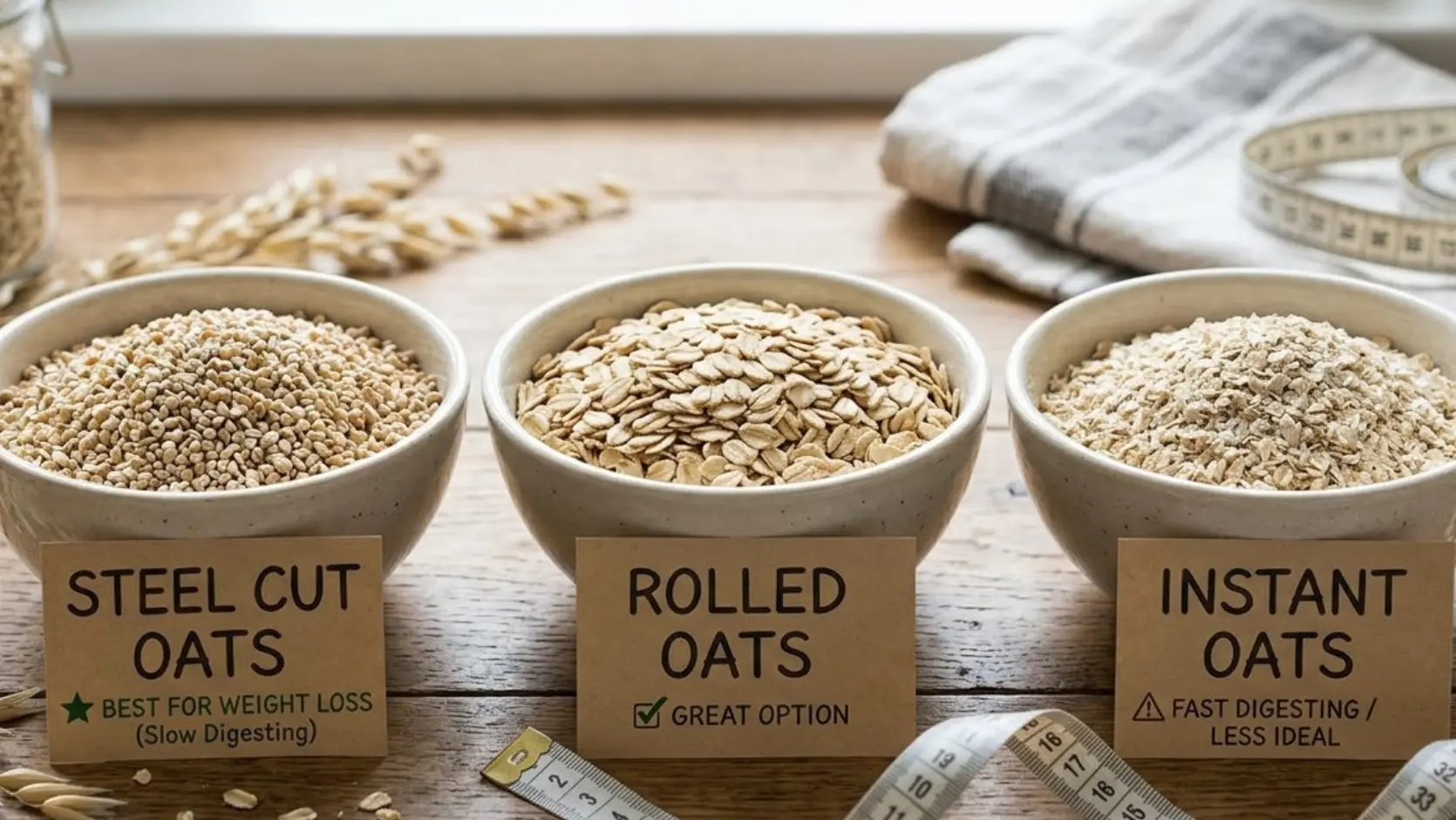
Rolled Oats vs Steel-Cut vs Instant Oats
The three main categories differ mainly in how much processing they have been through, which affects both texture and how quickly they digest.
Comparing Fiber, Processing and Glycemic Impact
Steel-cut oats are the least processed and digest slowest, rolled oats sit in the middle, and instant oats are the most processed and digest fastest. For weight loss specifically, slower digestion generally means longer fullness, which is why steel-cut and plain rolled oats are usually recommended over heavily processed instant varieties.
Reading the Label: What to Check Before Buying
The single most useful habit when choosing oats for weight loss is turning the pack around and reading the nutrition label rather than trusting the front-of-pack claims.
Added Sugar Is the Biggest Red Flag
Plain oats should show close to zero added sugar, with all the carbohydrate coming from the oats themselves. Flavoured varieties often add several grams of sugar per serving, which quietly works against the calorie deficit you are trying to maintain. Fittr’s guide on avoiding hidden sugars is a useful companion read here.
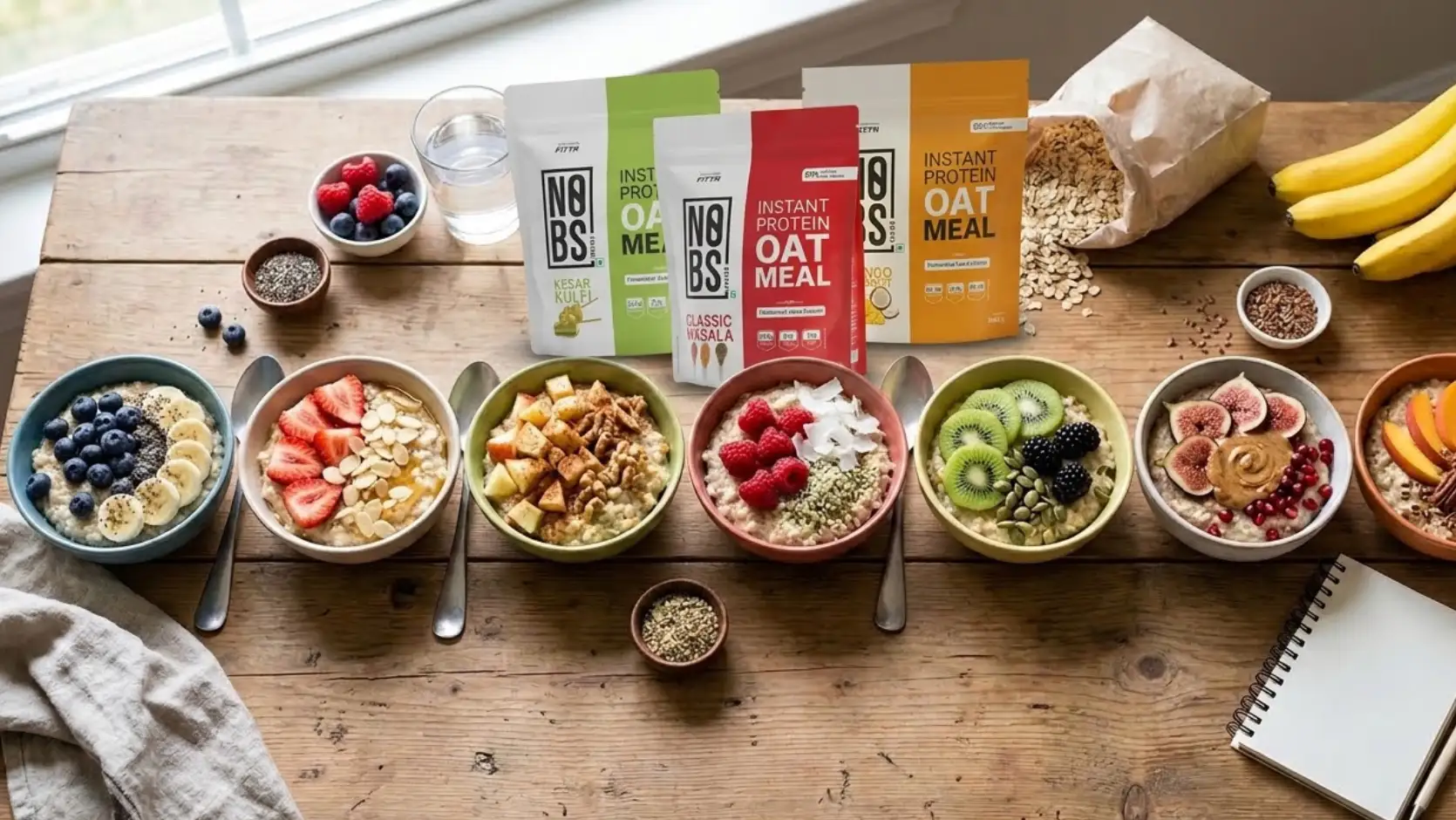
Flavoured and Instant Sachets: Why They Often Disappoint
Single-serve flavoured sachets are convenient, but that convenience often comes with a meaningful sugar cost that plain oats simply do not carry.
Hidden Sugar in “Healthy” Packaging
A sachet marketed around fruit or chocolate flavours can carry two to three times the sugar of an equivalent bowl of plain oats with your own fresh fruit added, despite looking similarly “healthy” on the shelf.
Organic vs Regular Oats: Does It Matter for Weight Loss?
Organic certification relates to how the oats were farmed, not their calorie or fiber content. For weight loss specifically, organic and regular oats offer essentially the same nutritional profile, so this choice comes down to personal preference and budget rather than any weight-loss advantage.
Gluten-Free Oats: Who Actually Needs Them
Oats are naturally gluten-free, but standard processing facilities often also handle wheat, creating cross-contamination risk. Certified gluten-free oats matter specifically for people with coeliac disease or genuine gluten sensitivity – for everyone else, this label has no bearing on weight-loss suitability.
Fortified Oats and Added Protein Blends
Some oat products now come pre-blended with added protein, aiming to combine two weight-loss-friendly ingredients in one product.
Are Protein-Enhanced Oats Worth the Premium?
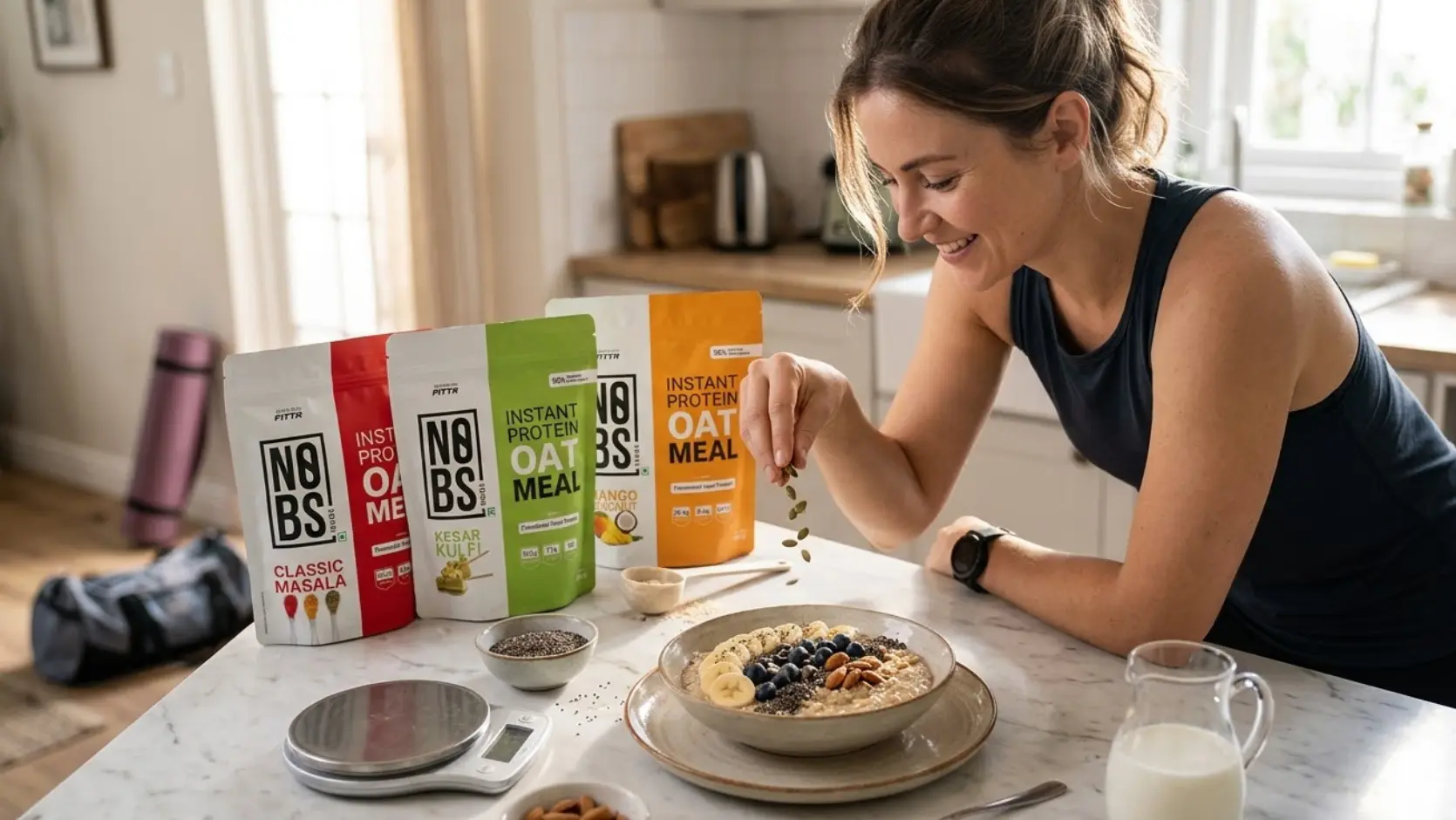
These can be a genuine convenience, but check the actual protein-per-serving figure against simply adding your own scoop of protein powder to plain oats, which is often both cheaper and gives you more control over the total amount.
How to Choose Oats for Your Specific Goal
The right choice depends on your priorities as much as any inherent property of the oats themselves.
Matching Type to Cooking Time and Lifestyle
If you have time to cook, steel-cut oats offer the slowest digestion and longest satiety. If mornings are rushed, plain rolled oats prepared overnight give you nearly the same benefit with far less active cooking time.
A Simple Buying Checklist
- Added sugar close to zero grams per serving on the nutrition label.
- A short ingredients list – ideally just “oats,” with no unnecessary fillers.
- A fiber content that reflects minimal processing, generally higher in steel-cut and rolled varieties than instant.
- A pack size and price that supports consistent daily use rather than an occasional purchase.
- Certified gluten-free labelling specifically if you have coeliac disease or diagnosed gluten sensitivity.
Price vs Value: Are Premium Oats Worth It?
Oats span a genuinely wide price range, from budget bulk packs to premium imported or specialty varieties, and it is worth understanding what that price difference is actually buying before assuming more expensive automatically means better for weight loss.
What You’re Actually Paying For
Premium pricing often reflects sourcing, packaging, or a specific processing method like traditional steel-cutting, rather than a meaningfully different calorie or fiber profile. For weight loss specifically, a well-reviewed mid-range plain oat product usually delivers the same practical benefit as a premium one costing considerably more, so it is worth weighing genuine nutritional differences against price rather than assuming a higher cost guarantees a better outcome.
Oats for Specific Dietary Needs
Beyond general weight loss, some buyers are also managing a specific health condition alongside their goal, and oats interact differently with a few common ones worth understanding.
Diabetic-Friendly and Low-Sugar Considerations
Plain oats, thanks to their fiber content and gentler glycemic impact, are generally considered a reasonable carbohydrate choice for people managing blood sugar, though portion size and toppings still matter enormously here too. Anyone managing diabetes alongside a weight-loss goal should prioritise plain oats over flavoured varieties even more strictly than the general population, since added sugar has an outsized effect on blood glucose management specifically.
Common Myths About “Best” Oats
- There is no single universally “best” brand – the right choice depends on your ingredient list preferences, budget and cooking time.
- Instant oats are not automatically bad, but flavoured instant sachets often carry meaningfully more sugar than plain versions.
- A higher price does not guarantee better weight-loss suitability; checking the actual nutrition label matters more than the price tag.
- “Diet” or “weight loss” labeling on a pack is a marketing claim, not a guarantee – the ingredients list is what actually tells the story.
- Organic oats are not inherently better for weight loss than regular oats; the difference is in the farming method, not calorie or fiber content.
- A longer shelf life or extra preservatives in a product do not indicate lower nutritional quality, provided the base ingredient is still plain oats.
Where to Buy Oats and What Packaging to Look For
Availability and packaging affect how easy it is to stick with a specific oats choice over the months it takes to build a genuine habit, which is worth factoring in alongside the nutrition label itself.
Bulk Packs vs Smaller Resealable Bags
A larger bulk pack is usually better value per serving, but only if you have proper airtight storage, since oats exposed to air and humidity for weeks can lose freshness and become more prone to attracting pantry pests. A resealable, smaller bag costs slightly more per serving but suits households just starting to build the habit, or anyone unsure yet how quickly they’ll actually work through a larger pack.
The Bottom Line
The best oats for weight loss are not a single named product, but any plain, minimally processed oats with little to no added sugar, chosen in a form you will actually prepare and eat consistently. Steel-cut and plain rolled oats generally edge out heavily flavoured instant varieties on both sugar content and satiety.
Check the label, keep the ingredients list short, and pair whichever type you choose with a sensible portion and a protein source. For more on why oats support weight loss in the first place, see Fittr’s guide to oats for weight loss.
Ultimately, consistency with a genuinely plain, minimally processed product will outperform an occasional purchase of whatever pack is marketed most aggressively as a weight-loss solution. Build the habit first, and the specific brand becomes a far smaller decision than it initially seems.
Frequently Asked Questions
Which oats are best for weight loss?
Plain, minimally processed oats – steel-cut or rolled – with little to no added sugar generally support weight loss best, since they digest more slowly and keep you fuller for longer.
What are the best oats to reduce weight?
Look for a short ingredients list, near-zero added sugar, and a preparation you will realistically stick with, rather than chasing a specific brand name.
Are flavoured instant oats good for losing weight?
They can work occasionally, but many flavoured sachets carry considerably more added sugar than plain oats, so check the label before relying on them daily.
Is there a specific weight loss oats name I should look for?
No single product is universally best; prioritise plain oats with minimal added sugar over chasing a particular marketed name.
Do organic oats work better for weight loss?
No, organic certification reflects farming methods, not calorie or fiber content, so it does not meaningfully affect weight-loss suitability.
Healthy Eating Starts with Smarter Buying
Best oats for weight loss, best oats to reduce weight, which oats is best for weight loss – across every version of this search, the real answer is the same: check the label, keep it plain, and choose a type you’ll actually prepare consistently.
Once you’ve chosen, Fittr’s guide to oats for weight loss can help you put that choice into a genuine daily routine.