What an Oatmeal Diet Plan Actually Means
An oatmeal diet plan does not mean eating only oats – that approach is neither necessary nor sustainable for genuine weight loss. It means using oats as a consistent, structured part of your daily meals, most often breakfast, within a broader plan that still includes protein, vegetables and other whole foods.
This guide gives you a realistic 7-day oats diet plan for weight loss, built around that principle rather than an extreme, oats-only approach that would be difficult to sustain and nutritionally incomplete.
Why a Structured Oats Diet Plan Works
The main benefit of building a plan around oats specifically is consistency – knowing your breakfast in advance removes a daily decision point that often leads to less planned, higher-calorie choices when you are rushed or hungry.
Consistency Over Restriction
A genuinely useful oatmeal diet plan is not about restriction for its own sake, but about removing decision fatigue from one meal each day, freeing up willpower for the choices that matter more later in the day.
Research on decision fatigue supports this idea broadly – the more small food decisions you have to make through the day, the more likely willpower is to run out by evening, which is exactly when less planned, higher-calorie choices tend to creep in.
Setting Up Your Oatmeal Diet Plan
Before following any 7-day structure, it helps to understand your overall daily calorie target, since the plan below should be adjusted to fit within it rather than followed rigidly regardless of your individual needs.
Finding Your Calorie Target First
Use a tool like Fittr’s BMR calculator to establish your maintenance calories, then apply a modest deficit for weight loss. The menu below assumes a moderate-calorie breakfast and lunch/dinner structure, but portions should scale to your own target.
Day 1: Classic Protein Oats
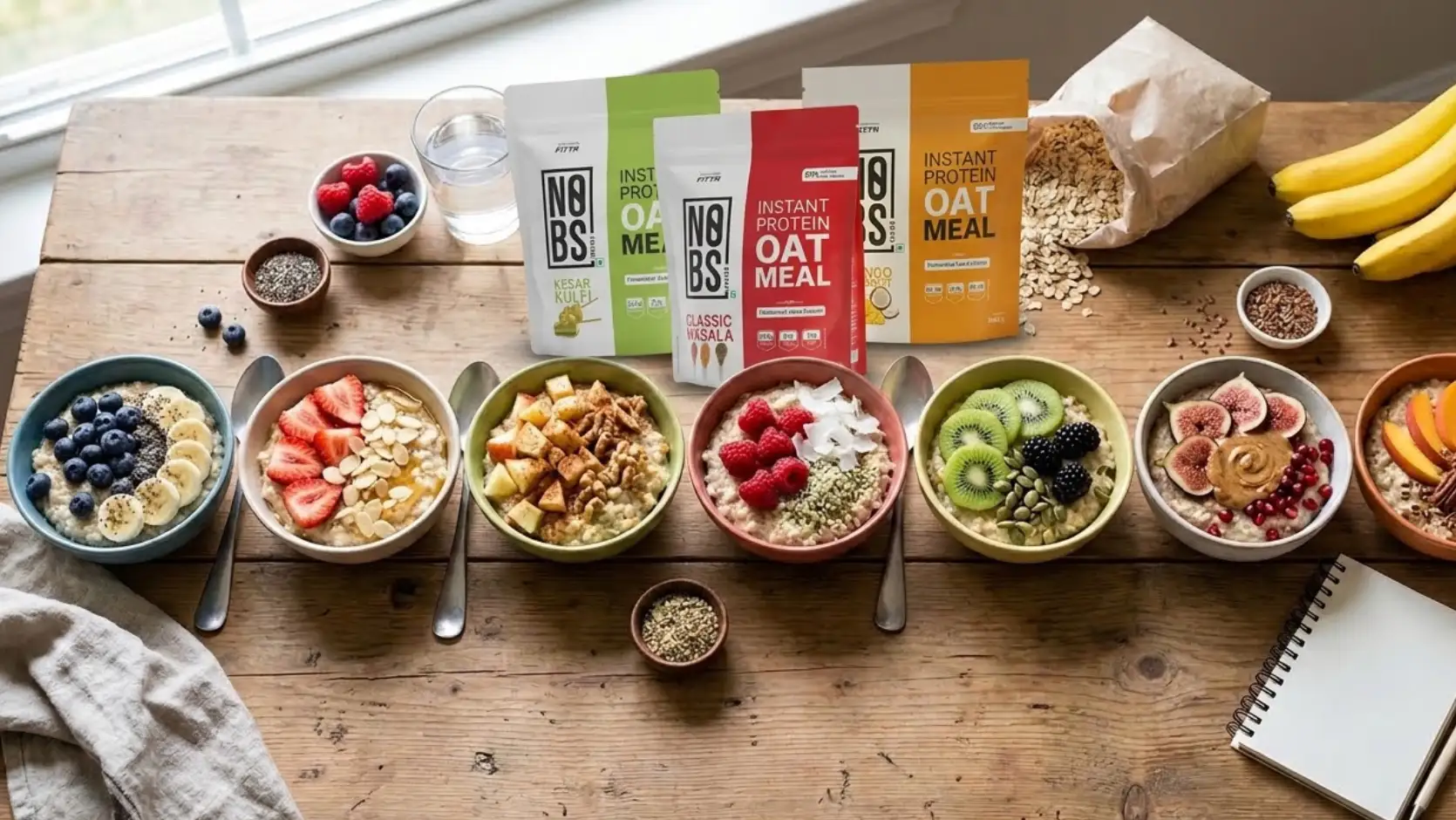
Breakfast: 40g oats cooked in water with a scoop of protein powder and a handful of berries. Lunch: grilled chicken or paneer salad with mixed greens. Dinner: dal, one roti and a vegetable sabzi.
Day 2: Savory Masala Oats
Breakfast: masala oats with mixed vegetables and a boiled egg on the side. Lunch: brown rice with rajma and a side salad. Dinner: grilled fish or tofu with sautéed vegetables.
Day 3: Overnight Oats Day
Breakfast: overnight oats prepared the night before with Greek yogurt and chia seeds. Lunch: quinoa bowl with roasted vegetables and chickpeas. Dinner: soup with a protein source and a small whole-grain roll.
Day 4: High-Protein Oats Bowl
Breakfast: oats cooked with milk, topped with a spoon of peanut butter and sliced banana, plus a side of boiled eggs for extra protein. Lunch: chicken or paneer wrap with vegetables. Dinner: khichdi with a side of curd.
Day 5: Steel Cut Oats Day
Breakfast: steel cut oats, soaked overnight and cooked briefly, topped with nuts and seeds. Lunch: lentil soup with a whole-grain roll. Dinner: stir-fried vegetables with tofu or chicken over brown rice.
Day 6: Oats Smoothie Bowl
Breakfast: blended oats, milk, protein powder and frozen fruit, topped with granola and seeds. Lunch: grilled fish or paneer with a large mixed salad. Dinner: vegetable curry with one roti.
Day 7: Flexible Day
Breakfast: your preferred oats preparation from earlier in the week, repeated based on what worked best for you. Lunch and dinner: a repeat of your favourite meals from the week, adjusted to use up any remaining planned groceries.
How to Adapt This Oats Diet Plan to Your Own Needs
The 7-day structure above is a template, not a rigid prescription, and it works best when adjusted to your own preferences, schedule and calorie target.
Swapping Meals Without Losing the Structure
Any lunch or dinner can be swapped for another meal of similar calorie and protein content, and the specific oats preparation on any given day can be swapped for another from the earlier list of recipes without disrupting the overall plan. Fittr’s guide to customised nutrition planning covers this kind of flexible structuring in more depth.
If you have specific dietary restrictions or food allergies, substitute similarly-sized portions of comparable foods rather than skipping meals entirely, since consistent overall calorie and protein intake matters more than following the exact ingredients listed here.
Grocery Shopping for Your Oatmeal Diet Plan
A little preparation before the week starts makes the entire 7-day structure considerably easier to follow without last-minute compromises.
A Simple Weekly Shopping List Approach
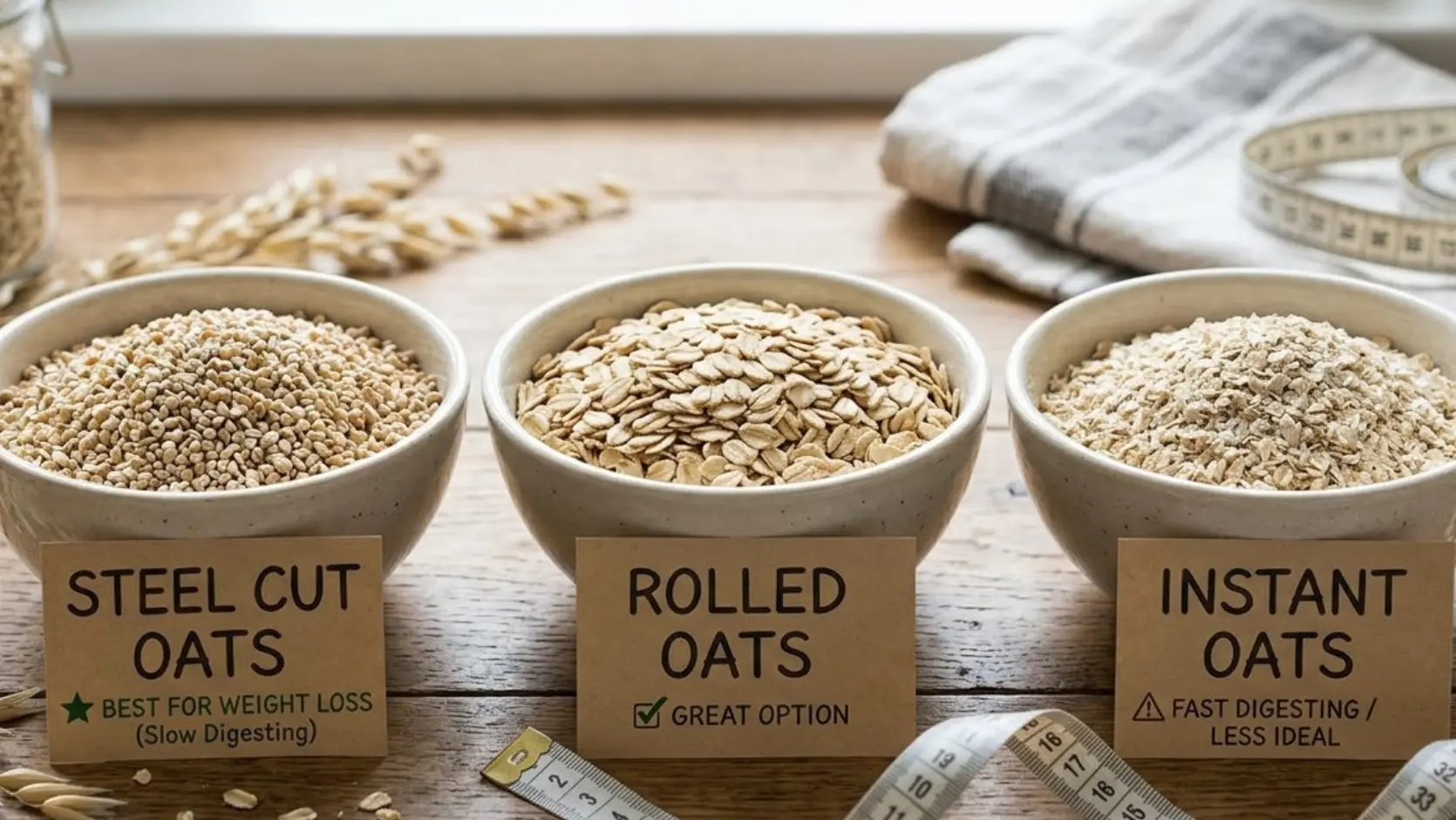
Stock plain rolled and steel cut oats, a protein source such as eggs, chicken, paneer or protein powder, a variety of seasonal vegetables, and simple flavour additions like cinnamon, berries and nuts. Having these basics on hand removes the temptation to substitute a less planned, higher-calorie option when a specific ingredient runs out mid-week.
Tracking Progress on an Oatmeal Diet Plan
As with any structured eating plan, tracking your results over the first couple of weeks tells you whether the plan is working for your specific body and lifestyle.
What to Watch Beyond the Scale
Alongside body weight, tracking how full and energised you feel through the day, and whether the plan feels sustainable rather than restrictive, matters just as much for deciding whether to continue with this structure long-term.
Common Mistakes With an Oats Diet Plan
- Eating oats for every single meal, which is unnecessary and nutritionally incomplete over time.
- Not adjusting portion sizes to your individual calorie target, instead following a generic plan exactly regardless of fit.
- Loading breakfast oats with high-calorie toppings that offset the deficit created elsewhere in the day.
- Abandoning the plan after one difficult day rather than adjusting and continuing.
- Ignoring lunch and dinner quality while over-focusing on breakfast alone.
Making an Oatmeal Diet Sustainable Beyond 7 Days
A 7-day plan is a useful starting structure, but real results come from continuing a version of this approach for weeks and months, not just one week in isolation.
Building Habits That Outlast the Initial Plan
Identify which two or three oats preparations you genuinely enjoyed most from the week, and build those into a rotating weekly breakfast routine going forward, rather than trying to follow a rigid 7-day script indefinitely.
Revisit your calorie target every few weeks too, since it may need adjusting as your weight changes, rather than assuming the number you started with stays accurate indefinitely throughout your weight-loss journey.
Common Myths About Oatmeal Diet Plans
- An oatmeal diet does not mean eating only oats; that approach is neither necessary nor nutritionally complete.
- You do not need to eat the exact same oats recipe every day; variety supports long-term adherence.
- An oats diet plan is not automatically low-calorie; portion size and toppings still determine the outcome.
- Following a 7-day plan once does not guarantee lasting weight loss; consistency over weeks and months is what matters.
- An oatmeal diet plan does not replace the need for adequate protein and vegetables across the rest of the day.
The Bottom Line
A genuinely useful oatmeal diet plan for weight loss uses oats as a consistent, well-prepared part of your routine – most often breakfast – within a broader plan that still includes protein, vegetables and variety across lunch and dinner. The 7-day menu above gives you a realistic starting structure, not a rigid script to follow forever.
Adapt it to your own calorie target and preferences, and pair it with Fittr’s guide to oats for weight loss for the underlying science behind why this approach genuinely works.
Once you’ve found the two or three days that felt easiest to stick with, build your ongoing routine around those specifically, rather than trying to reinvent the plan from scratch every single week.
Frequently Asked Questions
What is an oatmeal diet plan?
It is a structured eating plan that uses oats consistently, usually at breakfast, alongside balanced lunches and dinners, rather than eating oats exclusively.
Does an oats diet plan for weight loss really work?
Yes, when it includes adequate protein and vegetables across the day and stays within your calorie target, an oats-based breakfast structure genuinely supports weight loss.
Can I follow a 7 day oats diet plan for weight loss safely?
Yes, provided the rest of your meals remain balanced and the plan fits within a sensible calorie deficit for your body.
Should I eat oats for every meal on an oatmeal plan for weight loss?
No, oats work best as a consistent breakfast choice within a varied daily diet, not as the only food you eat.
How do I adjust this oats diet to my own calorie needs?
Use a calorie calculator to find your target, then adjust portion sizes across the plan’s meals to fit within that number.
Small Daily Choices Lead to Big Transformations
Oatmeal diet plan, oats diet plan for weight loss, or a 7 day oats diet plan for weight loss – whichever phrase brought you here, the underlying principle is the same: structure, not restriction, is what makes an oats-based plan work.
Try the 7-day menu above, keep what works, and build it into a sustainable long-term routine rather than a one-off effort.