Digital Weigher: A Simple Definition
A digital weigher is simply another name for a digital scale – any electronic device that measures weight and displays the result numerically, whether for body weight, kitchen ingredients, or commercial goods. The term is used interchangeably with “digital scale” across most contexts and markets. This guide answers the basic “what is it” question in plain terms, covering how a digital weigher works, how it compares to other weight device options, and how to figure out which specific type actually matches what you’re trying to measure in your own situation.
Where the Term Digital Weigher Comes From
“Weigher” is simply an older, more formal term for a weighing device, predating “scale” in some usage contexts, particularly in commercial and industrial settings where “weigher” remains the more common technical term compared to everyday consumer usage of “scale” for the same basic function. Because of this, you’ll find “digital weigher” used more commonly in commercial, industrial, and trade contexts, while “digital scale” tends to dominate consumer and personal-use conversations, even though both terms genuinely describe the identical underlying category of weight device technology.
How a Digital Weigher Works
Every digital weigher relies on load cell sensors – small components containing a strain gauge that flexes under weight, converting that physical flex into an electrical signal a processor reads and converts into a precise digital display. This is the same core technology across nearly all modern digital scale designs. Understanding this shared technology helps explain why a digital weigher, regardless of its specific application or the particular term used to describe it, offers similar core advantages over older mechanical weighing methods: sharper precision, easier reading, and freedom from gradual calibration drift over time.
Common Types of Digital Weighers
The category spans genuinely diverse applications: personal body-weight digital scales for health tracking, kitchen digital weighers for cooking and baking precision, commercial platform weighers for shops and trade, and industrial weighing systems for manufacturing and logistics operations. Each type represents a different weight device suited to a specific purpose, sharing the same core electronic sensor technology but differing considerably in capacity, precision increment, and additional features relevant to their particular intended application and typical user context.
Digital Weigher vs Digital Scale: Any Real Difference?
In practical terms, there’s no meaningful functional difference between a digital weigher and a digital scale – both terms describe identical underlying technology and function. The choice of term often simply reflects regional, industry, or generational language preference rather than any genuine product distinction. This means you shouldn’t expect different specifications or quality standards based purely on which term a specific listing uses; evaluate any digital weigher or digital scale on the same fundamentals – sensor quality, capacity, platform stability – regardless of which specific naming convention the seller has chosen to use.
Choosing the Right Digital Weigher for Your Need
Before searching for a digital weigher, clarify exactly what you’re trying to measure and how precisely. A body-weight device needs different capacity and precision characteristics than a kitchen weigher, and neither serves the specialised needs of industrial or commercial equipment particularly well. Once you’ve identified your specific use case, comparing digital weigher options within that relevant category – checking sensor quality, capacity, and application-specific features – gives a far more useful comparison than treating “digital weigher” as a single undifferentiated product category to shop within.
Smart Features in Modern Digital Weighers
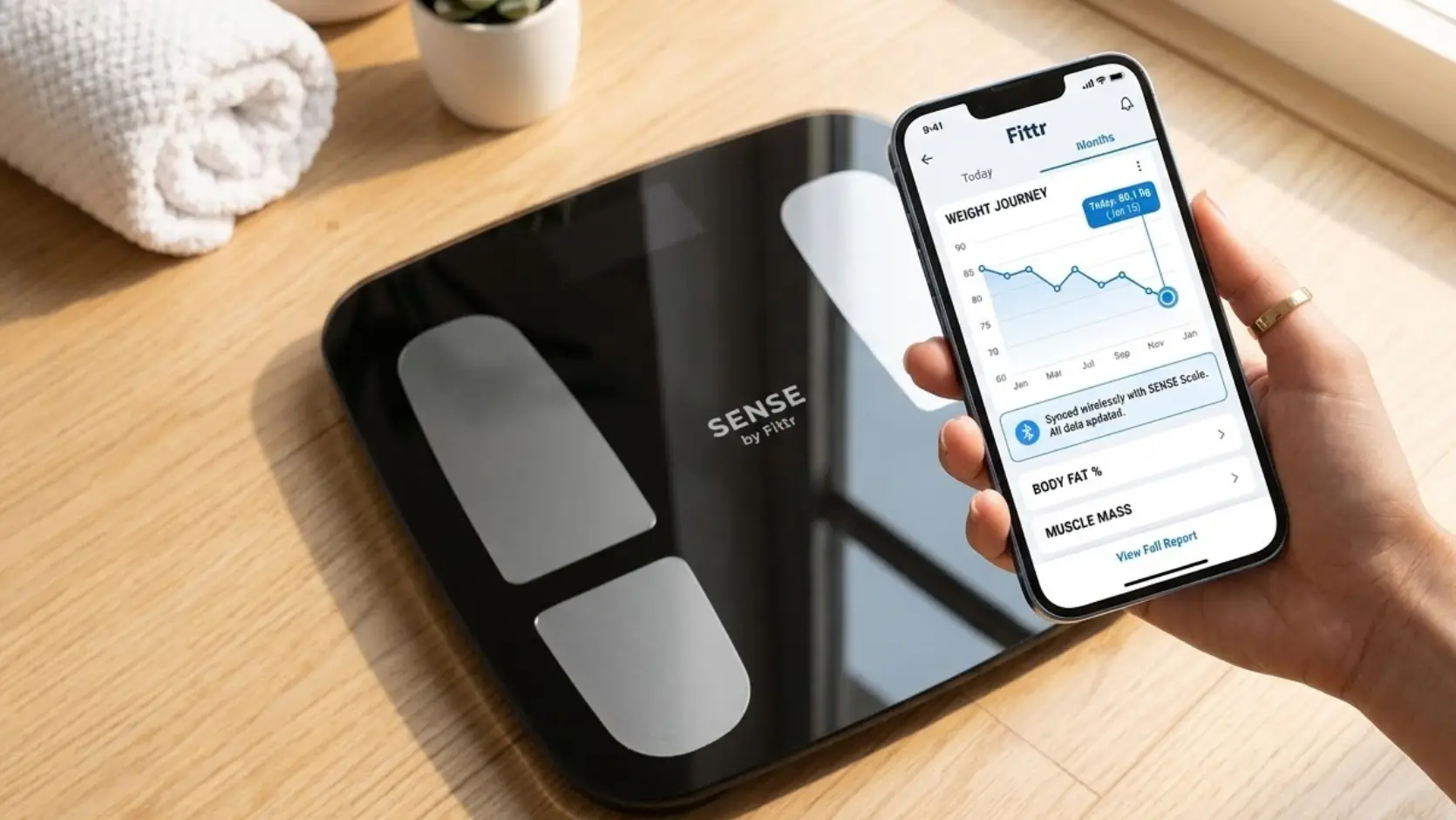
Beyond basic weighing, many modern digital weigher devices, particularly for body weight tracking, now include smart features like body composition estimation and app connectivity, transforming a simple weight device into an ongoing health-tracking tool rather than a single-use measurement instrument alone. These smart digital weigher options pair with a companion app that automatically logs readings and builds trend charts over time, adding genuine value for anyone serious about monitoring health or fitness progress rather than checking a number occasionally without any structured tracking approach.
Accuracy Expectations for a Digital Weigher
A quality digital weigher, whether basic or smart, should give consistent, repeatable readings under the same conditions – this consistency matters more for everyday practical use than absolute laboratory precision. Setting this realistic expectation before purchase helps avoid disappointment with any specific weight device. For body composition estimates specifically, remember that any digital weigher using bioelectrical impedance provides an estimate rather than a precise measurement, best interpreted as a trend over time rather than an exact figure to trust completely on any single reading taken in isolation from your broader tracking history.
Digital Weigher Terminology in Different Industries
Different industries have settled on slightly different preferred terms for the same underlying technology – postal and shipping contexts often use “digital weigher,” retail and trade contexts frequently use “computer scale” or similar variants, while consumer health contexts almost universally default to “digital scale” or “smart scale” in everyday conversation. This terminology variation is worth understanding when searching for products or comparing prices online, since limiting your search to just one preferred term might cause you to miss comparable listings that a different seller has categorized under an alternative but functionally identical naming convention for the same underlying device.
Digital Weighers in International Trade and Shipping
Beyond personal use, a digital weigher plays a genuinely important role in international trade and shipping logistics, where accurate weight measurement directly determines shipping costs and, in some contexts, customs calculations for cross-border goods movement between different countries and trading partners. This commercial application demonstrates the broad utility of the underlying digital weighing technology well beyond personal health tracking, spanning from a simple bathroom scale calculating your morning weight to a sophisticated industrial digital weigher processing thousands of shipments daily for major logistics operations worldwide.
Choosing Terminology When Shopping
When shopping for a weight device, it’s worth searching using multiple related terms – digital weigher, digital scale, weighing machine – to ensure you’re seeing the widest possible range of relevant listings, since sellers don’t always use consistent terminology even for functionally identical products within the same general category. This broader search approach helps you find genuinely the best value option for your specific needs, rather than limiting your comparison unnecessarily based on which single term happened to come to mind first when you started your search for a new personal or household digital weigher.
Common Myths About Digital Weighers
A few misconceptions are worth clearing up.
- A digital weigher isn’t functionally different from a digital scale; both terms describe the identical underlying technology and function.
- “Weigher” terminology doesn’t imply commercial or industrial-only use; the term applies equally validly to personal body-weight devices.
- A more expensive digital weigher doesn’t automatically mean better accuracy for basic measurement; sensor quality matters more than price.
- Not every digital weigher needs smart features; a basic weight device is entirely sufficient for simple, straightforward tracking needs.
- Regional or generational term preference doesn’t reflect genuine quality differences between products using either naming convention.
The Bottom Line
A digital weigher is simply another term for a digital scale, describing any electronic weight device that uses load cell sensors to deliver precise, reliable measurements across personal, kitchen, commercial, and industrial applications alike. Rather than treating “digital weigher” as a distinct category from “digital scale,” identify your specific use case first, then compare weight device options within that relevant category based on genuine fundamentals like sensor quality and appropriate features for your actual measurement need.
Frequently Asked Questions
What does digital weigher mean?
Digital weigher is another term for a digital scale, describing any electronic device that measures and displays weight numerically.
Is a digital weigher different from a digital scale?
No, the terms are functionally interchangeable, describing identical underlying technology across most contexts and markets.
How does a digital weigher work?
It uses load cell sensors that flex under weight, converting that flex into an electrical signal processed into a precise digital reading.
Where is the term digital weigher most commonly used?
It’s more common in commercial and industrial contexts, while “digital scale” dominates everyday consumer conversations for the same devices.
Should I choose a basic or smart digital weigher?
This depends on your goals – a basic weight device suits simple tracking, while a smart weigher adds body composition and app connectivity.
Measure Better, Progress Further
Digital weigher, digital scale, or a general weight device – all describe the same core technology, measuring weight precisely through electronic load cell sensors regardless of which specific term you use. For body-weight tracking specifically, Fittr’s body fat calculator and nutrition articles can help you get real value from whichever digital weigher you choose.