Why Per-100g Figures Matter for Tracking
If you’re tracking macros carefully, working from a standard per-100g reference is far more useful than relying on vague serving-size claims, which vary considerably between different brands and packaging formats. This guide gives you a practical reference for oats protein per 100g across the main oat types, in both dry and cooked form.
Keep in mind that exact figures vary slightly by specific brand and oat variety, so always check your own product’s label for precise tracking rather than relying solely on general reference figures like these ones.
This kind of reference table is particularly useful for anyone building their own meal plans or spreadsheets, where consistent, comparable figures across ingredients make calculations considerably more reliable and less time-consuming over the long run.
Rolled Oats: Protein Per 100g
Dry rolled oats typically provide approximately 13-14 grams of protein per 100 grams. Once cooked with water at a typical ratio, this drops to roughly 2.5-3 grams per 100g of the cooked product, since water adds weight without adding any additional protein to the mixture.
Why the Cooked Figure Looks So Different
This large difference between dry and cooked figures confuses many people tracking macros – the total protein you consume hasn’t changed, only the concentration per 100g once water has been added during cooking.
Steel Cut Oats: Protein Per 100g
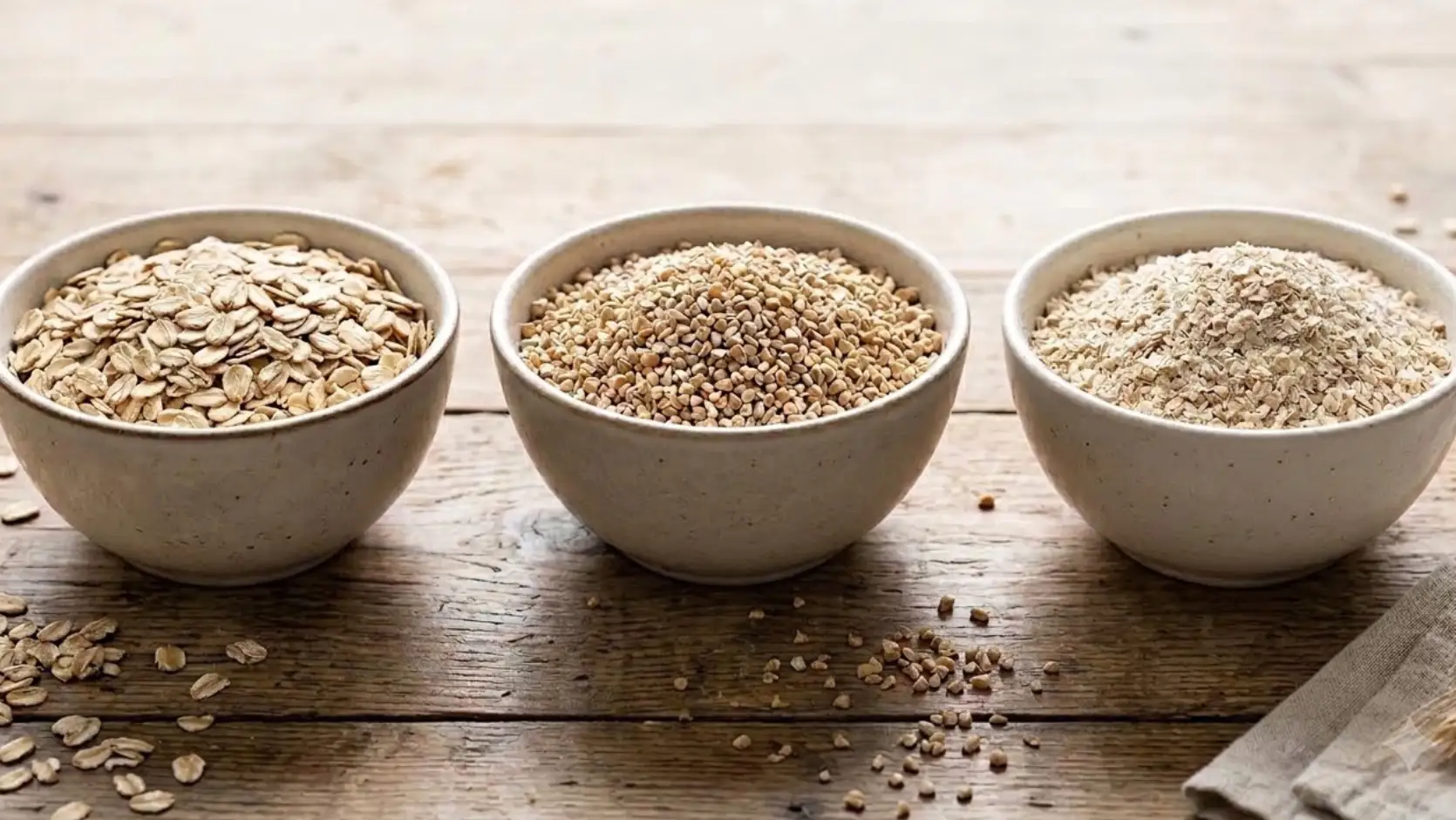
Dry steel cut oats provide a broadly similar protein content to rolled oats, typically around 13-14 grams per 100 grams, since both come from the exact same base oat groat with only the processing method differing between the two types.
Minimal Difference From Rolled Oats
Because steel cut oats are simply chopped rather than steamed and flattened, the protein content per 100g dry weight remains essentially unchanged from rolled oats – the meaningful difference between these two types lies in digestion speed and texture, not protein value.
Instant Oats: Protein Per 100g
Plain instant oats also provide a broadly similar protein content to rolled and steel cut varieties when unflavoured, typically in the same 13-14 grams per 100g dry weight range, since the core underlying grain remains the same despite the additional processing involved.
Where Flavoured Instant Oats Differ
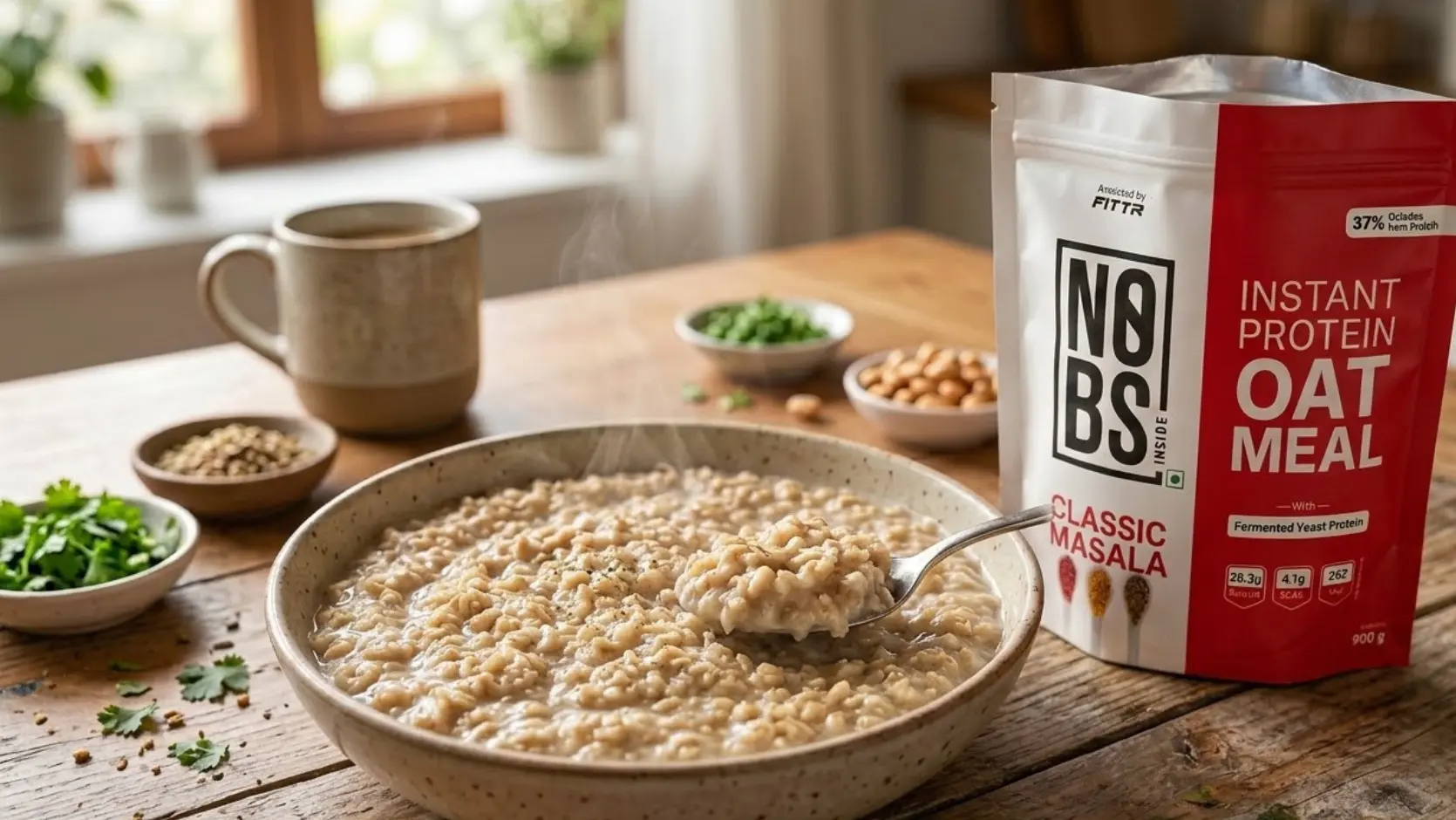
Flavoured instant oats sachets can show a somewhat different per-100g protein figure due to added ingredients diluting the overall composition, so always check the specific label of a flavoured product rather than assuming it matches plain oats exactly.
Quick Reference: Oats Protein Per 100g by Type
- Rolled oats (dry): approximately 13-14g protein per 100g.
- Steel cut oats (dry): approximately 13-14g protein per 100g.
- Instant oats, plain (dry): approximately 13-14g protein per 100g.
- Any oat type cooked with water: approximately 2.5-3g protein per 100g of the cooked product.
- Flavoured instant oats sachets: check the specific label, as this can vary from plain oats.
- Oats cooked in milk rather than water: higher than water-cooked figures, due to milk’s own protein contribution.
These are general reference figures; always check your specific product’s nutrition label for precise tracking, since even small brand-to-brand variations can accumulate meaningfully across many servings over time.
Converting Between Dry and Cooked Figures
Understanding how to convert between dry and cooked protein figures avoids a common source of confusion when tracking macros from recipes or meal plans.
A Simple Conversion Approach
The most reliable method is to calculate protein based on your dry oats weight before cooking, since this figure doesn’t change regardless of how much water or milk you add during preparation – track the dry weight you measured out, not the final cooked volume, for accurate protein tracking.
Many food tracking apps default to showing cooked-weight figures, which can lead to significant underestimation if you don’t adjust for this – always confirm whether a database entry reflects dry or cooked weight before logging your portion.
How Milk vs Water Changes Your Total
While the oats themselves contribute a fixed protein amount regardless of cooking liquid, using milk instead of water adds its own protein contribution on top.
Milk’s Added Contribution
A 200ml serving of regular milk typically adds around 6-7 grams of protein on top of whatever the oats themselves provide, meaningfully changing your total meal protein compared to cooking the same oats in water alone.
Plant-based milk alternatives vary considerably in their own protein content – soy milk generally comes closest to dairy milk’s protein level, while almond and oat milk typically contribute far less protein per 200ml, which is worth factoring in if you’re tracking totals carefully.
Using These Figures for Meal Planning
Once you understand the dry-weight protein figures for your specific oats, you can plan meals and additions with genuine precision rather than rough estimates.
A Practical Calculation Example
A 40g dry serving of any of the three oat types provides roughly 5.2-5.6g of protein (based on the 13-14g per 100g figure), which you can then add to your chosen protein source – a scoop of protein powder, milk, or Greek yogurt – to calculate your total meal protein accurately. Fittr’s macro calculator can help you build this into a full daily plan.
This same calculation approach works equally well whether you’re building a single meal or planning an entire week of oats-based breakfasts, simply scaling the dry-weight figure to whatever portion size you’re actually using each day.
Why Brand-Specific Labels Still Matter
Despite the broadly consistent figures across oat types, genuine variation exists between specific brands and products due to differences in oat variety, growing conditions, and processing specifics.
Always Verify Against Your Actual Product
For serious tracking purposes, checking the nutrition label on your specific product rather than relying solely on general reference figures like the ones in this guide ensures your calculations reflect what you’re actually eating, since even small per-100g differences can add up over many servings.
This matters most for anyone tracking very precisely for a specific competitive or physique goal, where small consistent errors compounded across dozens of servings each month can meaningfully shift your actual intake away from your intended target.
Oats Protein Per 100g Across Popular Preparations
Beyond the basic dry-vs-cooked distinction, it’s worth knowing how common oats preparations – overnight oats, oatmeal shakes, and protein-boosted bowls – each change the effective protein-per-100g figure of the final dish you actually eat.
Why Preparation Style Changes the Final Number
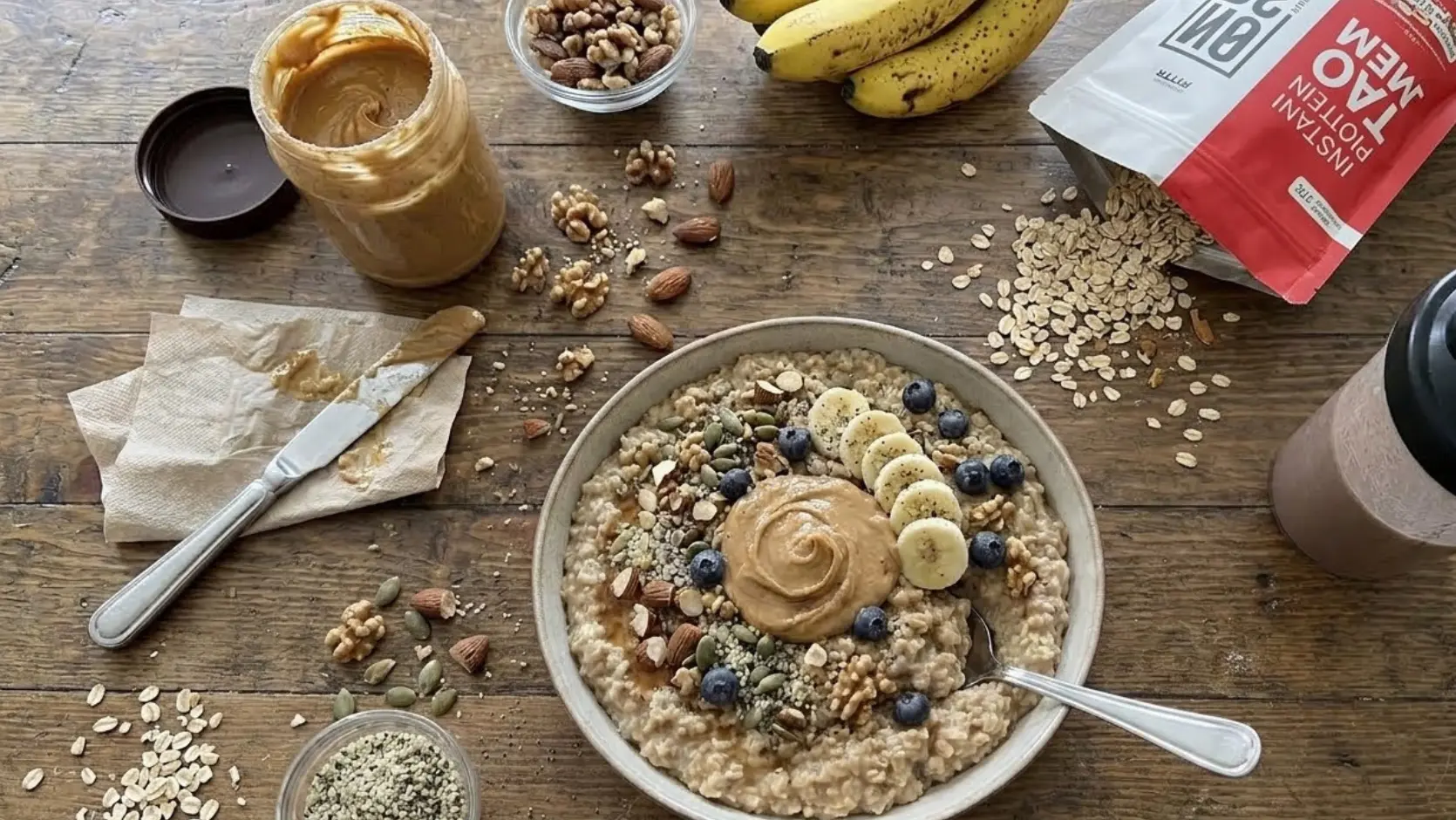
Overnight oats soaked in milk typically land somewhere between plain water-cooked oatmeal and a protein-boosted bowl in their per-100g protein figure, since milk adds a modest contribution without the concentrated boost that a full scoop of protein powder provides. A blended oats shake, meanwhile, often shows a higher per-100g figure simply because less water dilutes the mixture compared to a fuller bowl of cooked oatmeal.
Common Mistakes When Tracking Oats Protein
- Using the cooked, water-diluted per-100g figure instead of the dry weight figure, significantly underestimating actual protein intake.
- Assuming all oat types have identical protein content without checking the specific product’s label.
- Forgetting to add the protein contribution from milk when calculating total meal protein.
- Not accounting for flavoured instant oats’ potentially different composition compared to plain varieties.
- Estimating portion sizes visually rather than weighing dry oats for accurate tracking.
- Relying on a single online database figure without cross-checking against your specific product’s actual printed label.
- Confusing grams of oats with grams of protein when reading a nutrition label quickly.
The Bottom Line
Oats protein per 100g sits at roughly 13-14 grams across rolled, steel cut and plain instant varieties when measured dry, dropping to around 2.5-3 grams per 100g once cooked with water due to added weight, not lost protein. Track based on dry weight for the most accurate calculations, and always check your specific product’s label for precise figures.
For more on why oats support fitness goals broadly, see Fittr’s guide to oats for weight loss, and pair your tracking with Fittr’s guide to total daily protein needs for a genuinely complete daily plan.
Keep this reference handy for your next meal-planning session, and you’ll be able to calculate oats-based protein contributions accurately across any type or preparation method you choose to use.
Frequently Asked Questions
How much protein is in 100g of oats?
Dry oats typically provide around 13-14 grams of protein per 100 grams, regardless of whether they’re rolled, steel cut or plain instant.
Does the protein in 100g oats change once cooked?
The total protein amount stays the same, but the per-100g figure drops to roughly 2.5-3g once cooked with water, since water adds weight without adding protein.
Do rolled, steel cut and instant oats have different protein per 100g?
Not meaningfully in their plain forms – all typically fall in the 13-14g per 100g range, since they come from the same base grain.
Should I track oats protein based on dry or cooked weight?
Dry weight, measured before cooking, gives the most accurate and consistent figure for tracking protein intake.
Does milk add protein on top of the oats themselves?
Yes, around 6-7g per 200ml of regular milk, which should be added to the oats’ own protein contribution for an accurate meal total.
Protein-Powered Decisions Start Here
Oats protein per 100g, protein in 100 gm oats, or 100g oats protein – across every version of this search, the reference figure is consistent: roughly 13-14g dry, 2.5-3g cooked, across rolled, steel cut and plain instant varieties.
Track from dry weight for accuracy, check your specific product’s label, and use these figures to build genuinely precise meal calculations.