Why Oats Suit a Clean Bulk Specifically
Gaining weight healthily – often called a clean bulk – means eating in a genuine calorie surplus while prioritising nutrient-dense foods and adequate protein, rather than simply eating anything calorie-dense regardless of quality. Oats fit this approach particularly well, offering genuine nutrition alongside the calorie density a surplus requires.
This guide explains why oats are good for weight gain specifically within a clean, structured approach, and how to build high protein oats meals that support genuine lean mass gain rather than excess fat.
For anyone who has struggled with a bulk that added more fat than muscle in the past, understanding how to use oats deliberately within this framework can make a genuine, measurable difference to your results.
Clean Bulk vs Dirty Bulk: Where Oats Fits
A “dirty bulk” relies on any calorie-dense food regardless of nutritional quality, often leading to excessive fat gain alongside muscle. A clean bulk prioritises nutrient-dense, calorie-appropriate foods, and oats is a genuinely strong fit for this more sustainable, longer-term approach.
Why Nutrient Density Matters During a Surplus
Even in a calorie surplus, your body still needs adequate fiber, micronutrients and quality protein to support genuine recovery and growth – oats deliver all three alongside their calorie contribution, unlike many processed high-calorie foods that offer calories with comparatively little else.
Benefits of Oats for Weight Gain
Beyond simply being calorie-dense, oats offer several specific advantages for anyone deliberately trying to gain weight in a structured, genuinely thoughtful way.
- Calorie density that scales easily – larger portions and calorie-dense additions like nut butter and full-fat milk add up quickly.
- Sustained energy release, supporting the intense training sessions that a bulking phase typically includes.
- A genuine fiber contribution, helping offset the digestive sluggishness that can come with a higher overall food volume.
- Versatility across sweet, savory and shake formats, making it easier to eat oats multiple times a day without repetition.
- A reasonable baseline protein contribution that becomes substantial once boosted with additional protein sources.
- Wide availability and affordability, making a consistent oats-based routine genuinely sustainable over the months a bulk typically requires.
How Much Oats Should You Eat to Gain Weight?
There’s no universal fixed amount – the right portion depends on your overall daily calorie surplus target, which itself depends on your current weight, activity level and how quickly you’re genuinely aiming to gain.
Working Out Your Own Target
Use Fittr’s BMR calculator to establish your maintenance calories, then apply a moderate surplus – typically 300-500 calories above maintenance for a genuinely sustainable, largely lean weight gain. From there, oats-based meals can be portioned to contribute meaningfully toward that surplus without dominating your entire daily intake.
A High-Calorie, High-Protein Oats Recipe for Weight Gain
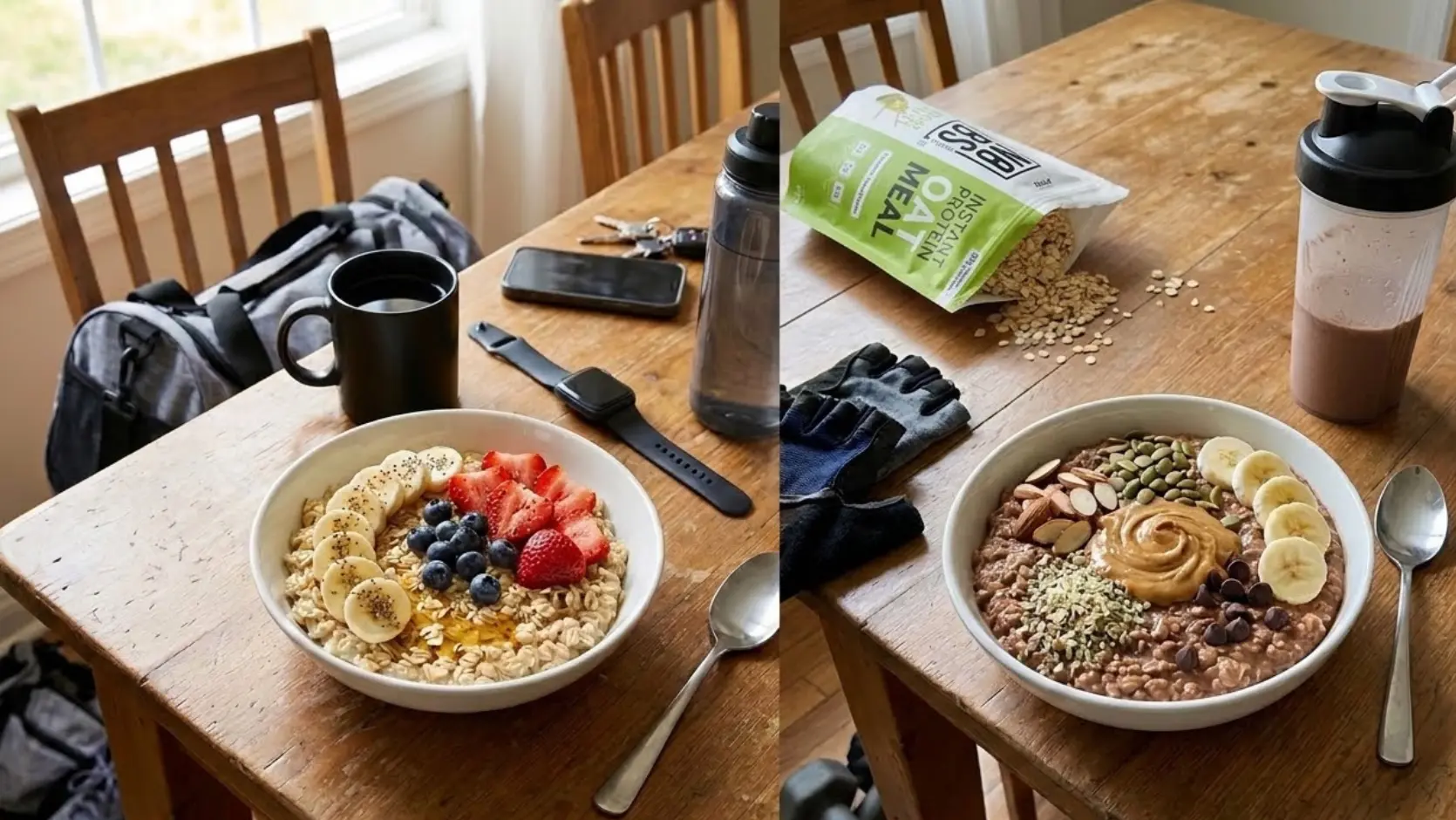
This recipe is built specifically for a bulking phase, prioritising both genuine calorie density and substantial protein content in a single, practical meal.
Ingredients and Method
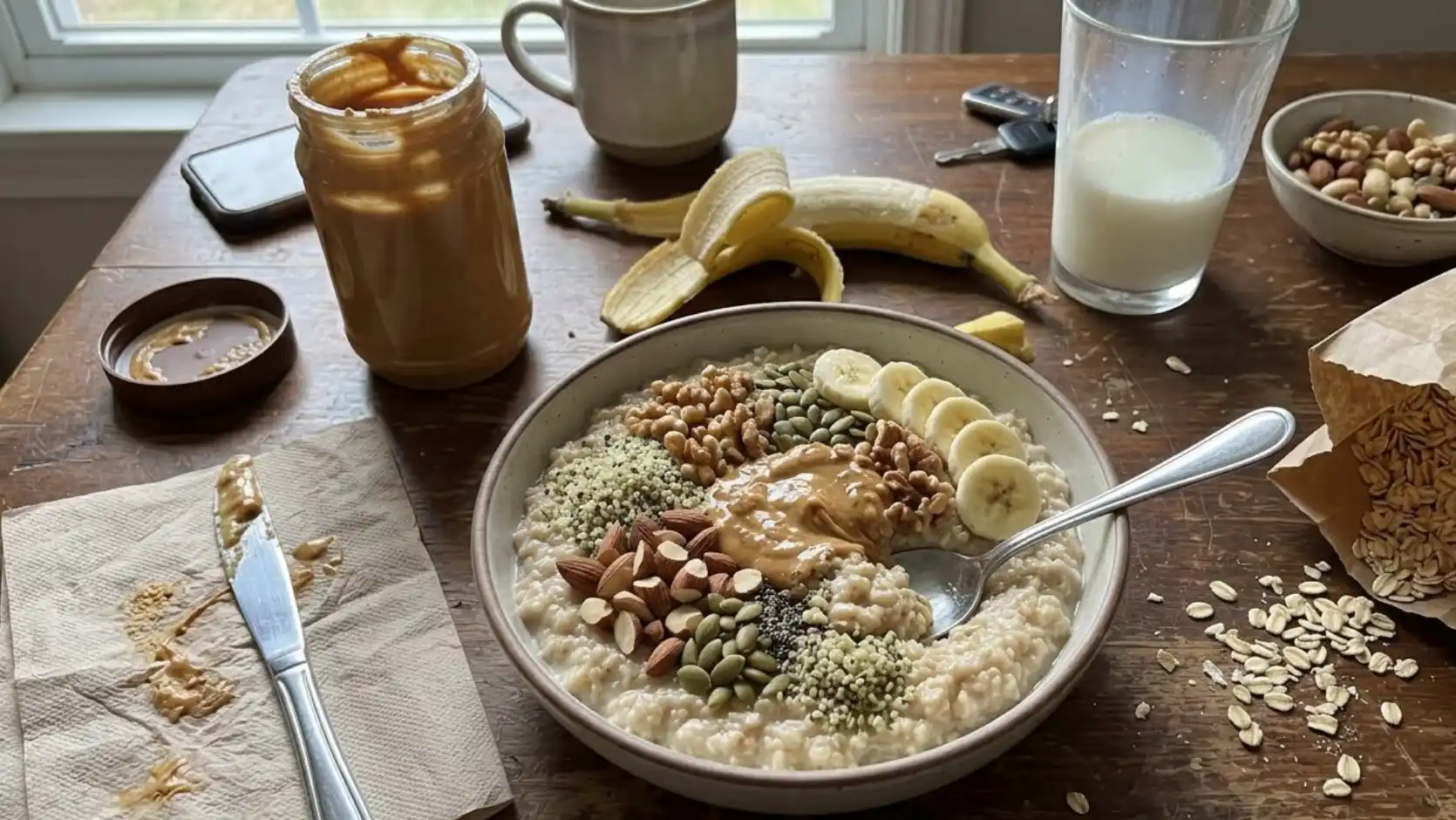
Cook 70g oats in 300ml full-fat milk, then stir in a full scoop of protein powder, a tablespoon of peanut butter, and a whole sliced banana once slightly cooled. This delivers approximately 650-700 calories and 35-40 grams of protein, a genuinely substantial single meal suited to a weight-gain goal.
Oats Recipe for Weight Gain: Savory Version
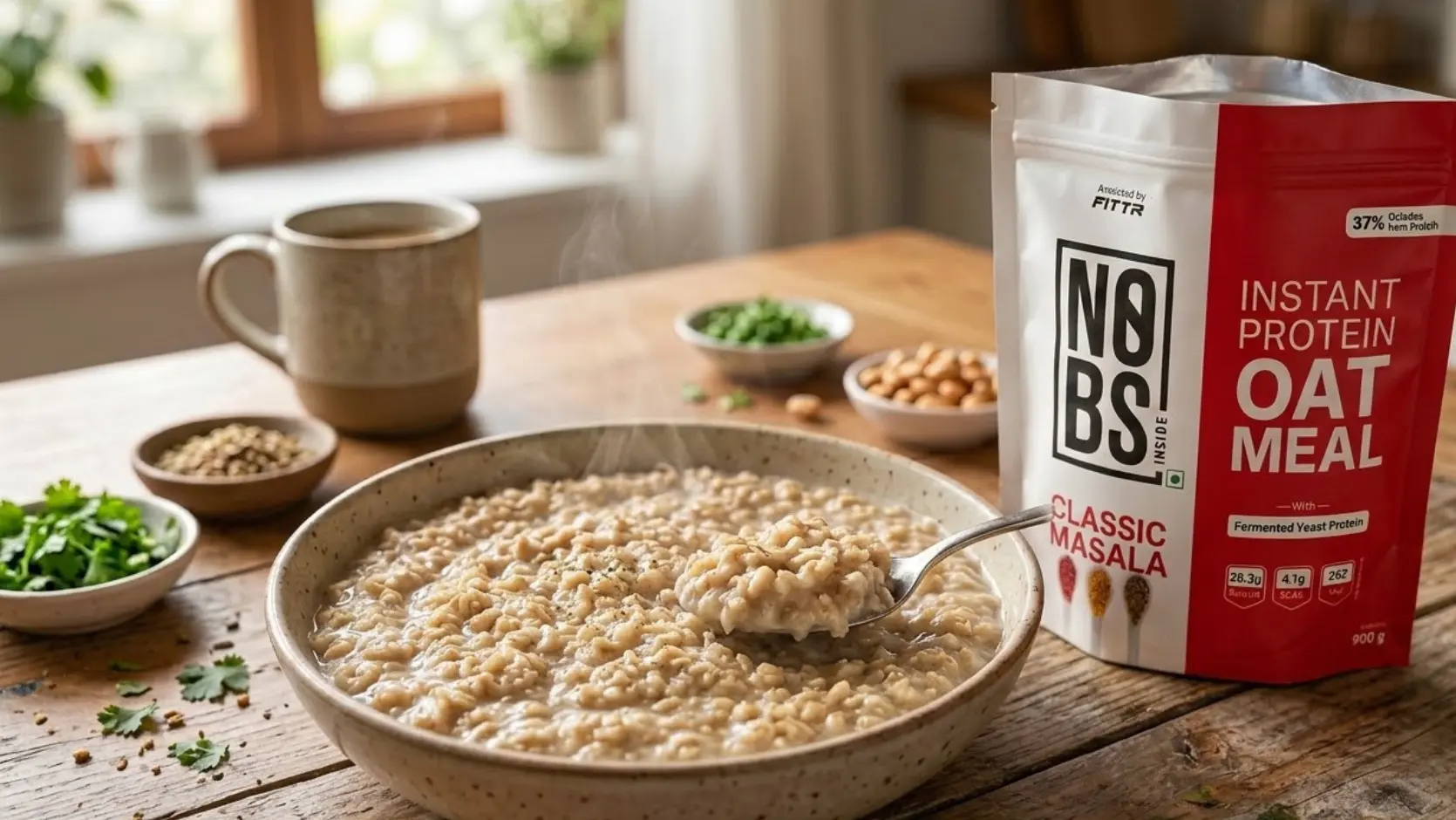
For anyone who prefers savory food or wants variety across the day, a savory high-calorie oats version works equally well for weight-gain goals.
A Calorie-Dense Savory Approach
Cook oats in whole milk or a rich vegetable stock, then stir in grated cheese, a fried egg, and sautéed vegetables cooked in a generous amount of ghee or oil – the combination of complex carbohydrate, fat and protein makes this a genuinely calorie-dense, satisfying option outside the usual sweet framing.
Combining Oats With Other Weight-Gain Staples
While oats are genuinely useful, a well-rounded bulk still benefits from variety across other calorie-dense, nutrient-rich foods rather than relying on oats for the entire surplus.
Building a Fuller Weight-Gain Diet Around Oats
Rice, dals, nuts, dairy and lean meats or plant proteins all complement oats-based meals well, together covering a broader range of micronutrients and food textures than any single food, however versatile, could provide on its own across an entire day.
Avoiding Excess Fat Gain While Bulking With Oats
Even within a clean bulk approach, it’s possible to gain weight too quickly or with too high a proportion of fat rather than muscle if the surplus is poorly managed.
Monitoring Your Rate of Gain
Tracking your weekly weight trend and adjusting your oats portions and overall surplus if gain is happening faster than roughly 0.25-0.5% of body weight per week helps keep a bulk genuinely lean, rather than accumulating excess fat unnecessarily. Fittr’s guide to the best way to gain weight covers this pacing in more depth.
Oats to Gain Weight: Multiple Meals a Day
Given the versatility of oats across preparations, many people pursuing a genuine weight-gain goal include oats-based meals more than once daily to help hit an ambitious calorie target consistently.
Rotating Preparations Across the Day
A sweet, protein-boosted bowl at breakfast, a shake-format version as a mid-morning or post-workout snack, and a savory version at another meal all lean on the same reliable base ingredient while keeping the day’s meals genuinely varied rather than monotonous.
Tracking Progress While Bulking With Oats
As with any structured nutrition approach, checking whether your specific combination of oats-based meals and overall surplus is producing the intended result matters more than following a fixed plan indefinitely without review.
What to Monitor Beyond the Scale
Weekly weight trend, strength progress in training, and ideally periodic body composition checks together give a far more complete picture of whether your oats-supported bulk is building genuine lean mass rather than excess fat than the scale number alone ever could.
How Long Should a Clean Bulk Using Oats Last?
A structured bulking phase typically runs for several months rather than weeks, giving your body genuine time to build muscle gradually while keeping fat gain to a reasonable minimum throughout the process.
Setting Realistic Timeframes
Most well-managed bulks run for three to six months before transitioning to a maintenance or cutting phase, with oats-based meals serving as a consistent, reliable staple throughout that entire period rather than something used only briefly at the start.
Common Mistakes When Using Oats for Weight Gain
- Eating oats in a large surplus without adequate protein, risking a higher proportion of fat gain relative to muscle.
- Neglecting resistance training alongside the surplus, missing the stimulus needed to direct the extra calories toward muscle.
- Gaining weight too rapidly without monitoring the weekly trend, leading to more fat gain than necessary.
- Relying solely on oats for the entire surplus rather than incorporating a variety of nutrient-dense foods across the day.
- Underestimating how much a genuinely calorie-dense oats meal actually requires in terms of portion size and additions.
- Abandoning the approach after one slow week rather than tracking the trend over several weeks before adjusting.
The Bottom Line
High protein oats for weight gain work by combining genuine calorie density with fiber, sustained energy and a boostable protein contribution – exactly the profile a clean bulk requires. Paired with adequate overall protein and consistent resistance training, oats can become one of the most reliable staples in a structured weight-gain routine.
For more on why oats support fitness goals broadly, see Fittr’s guide to oats for weight loss – the same underlying nutrition applies whether your specific calorie target is a deficit or a surplus – and pair your bulk with Fittr’s guide to the basic science of muscle gain for a genuinely complete approach.
Be patient with the process, since genuine lean mass gain happens gradually – consistency across weeks and months with well-structured, oats-supported meals will reliably outperform any attempt to rush the surplus too aggressively.
Frequently Asked Questions
Is oats good for weight gain?
Yes, oats are calorie-dense, versatile and nutrient-rich, making them a genuinely useful food for a clean, structured weight-gain approach when paired with adequate protein.
What is a good oats recipe for weight gain?
A larger portion (60-70g) cooked in full-fat milk with added protein powder, nut butter and banana delivers a substantial 650-700 calorie, high-protein meal suited to a bulk.
How much oatmeal should I eat daily to gain weight?
This depends on your overall calorie surplus target; use a calorie calculator to find your target, then portion oats-based meals to contribute meaningfully toward it.
Can oats alone help me gain weight?
Oats support weight gain as part of an overall calorie surplus and resistance training programme, not as a standalone solution on their own.
What are the benefits of oats for weight gain specifically?
Calorie density that scales easily, sustained energy for training, fiber to offset higher food volume, and a boostable protein contribution.
Every Bowl Fuels Better Gains
High protein oats for weight gain, oats to gain weight, or oatmeal for weight gain – across every phrasing, the same clean-bulk principle applies: calorie density, adequate protein, and consistent training.
Build the recipes above into a rotating routine, track your weekly trend, and oats can become a genuinely reliable foundation for a well-managed bulk.