


Beyond the Basic Scale: A Range of Weight Measuring Tools
When most people think of weight measuring tools, a simple bathroom scale comes to mind, but the category is genuinely broader than that single device. From basic mechanical scales to advanced body composition analyzers, a range of weight device options exist, each suited to different needs and levels of detail. This guide walks through the main categories of weight measuring tools available today, what each weight meter or device actually measures, and how to choose the right combination for your specific health and fitness goals.
Categories of Weight Measuring Tools
The Basic Bathroom Scale
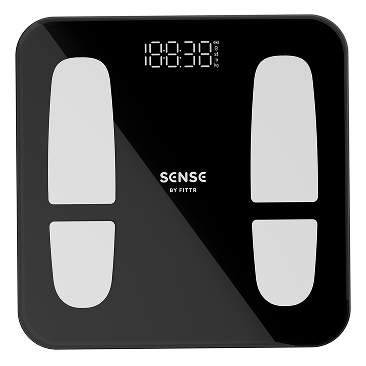
The most familiar weight measuring tools remain the basic bathroom scale, whether mechanical or digital, providing a simple total weight reading. This remains the foundation of most people’s tracking routine, and for general health monitoring without a specific composition goal, it’s genuinely sufficient on its own. A quality digital weight meter in this category offers precise, consistent readings through electronic load sensors, representing a meaningful upgrade in reliability over older mechanical designs that drift with age and wear over years of regular use.
Smart Scales as Advanced Weight Devices
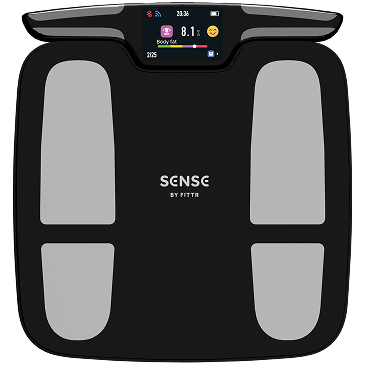
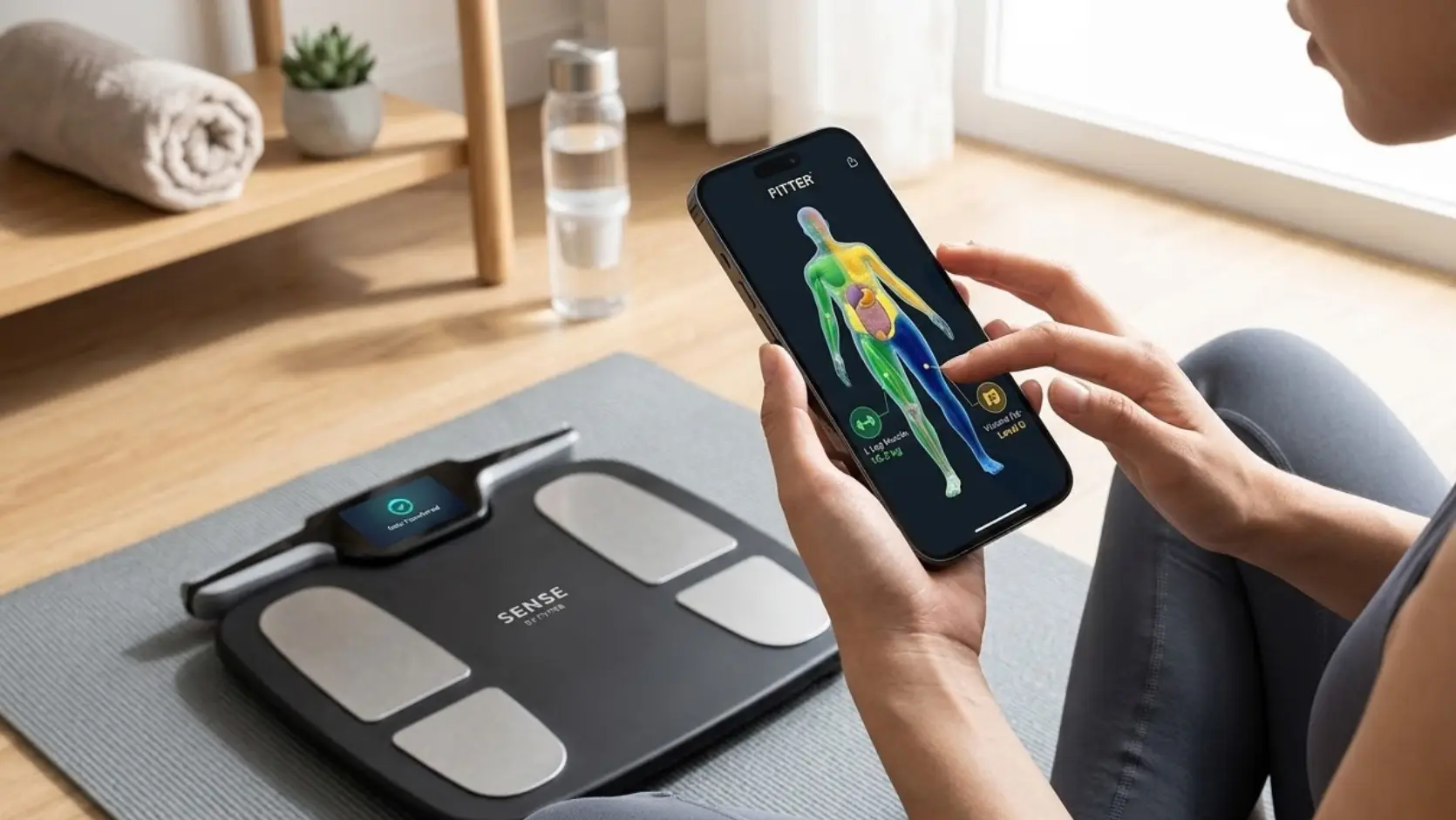
A step up from a basic scale, smart weight devices add bioelectrical impedance sensors, estimating body fat, muscle mass and water percentage alongside total weight. This category represents the most accessible advanced weight measuring tools for home use, bringing genuinely useful body composition data into an ordinary bathroom scale. These devices typically pair with a companion app, turning the weight meter into an ongoing tracking system that automatically logs and charts your data over time, rather than requiring manual recording of each reading yourself.
Handheld Body Fat Analyzers
Beyond scales, handheld weight measuring tools use grip-based bioelectrical impedance, measuring composition through your hands rather than your feet. These devices are more portable than a floor scale and can be useful for spot-checking composition without needing to be at home near your bathroom scale. Accuracy for handheld devices varies by design and quality, generally offering a reasonable estimate for tracking trends, similar in principle to a floor-based smart scale, though the specific numbers between different weight device types often don’t match exactly due to differing current paths through the body.
Skinfold Calipers: A Manual Weight Measuring Tool
Skinfold calipers represent an older but still-used category of weight measuring tools, manually pinching skin at multiple body sites to estimate body fat percentage based on subcutaneous fat thickness. In trained hands, this method can be quite accurate, though it’s highly technique-dependent. Unlike an automated weight meter, calipers require skill to use correctly and consistently, making them less practical for casual home use but still valued by some coaches and trainers who have developed the specific measurement skill through practice and training.
Clinical-Grade Body Composition Analyzers
At the most advanced end of weight measuring tools sit clinical-grade devices like DEXA scans, using low-dose X-rays for highly precise fat, muscle and bone measurements. These represent the gold standard for accuracy but aren’t practical for regular, frequent use given their cost and clinical setting requirement. Hydrostatic or underwater weighing is another clinical-grade method, historically considered a gold standard, based on body density calculations, though it’s largely been surpassed in practicality by DEXA scanning in most modern clinical and research settings.
Choosing the Right Weight Measuring Tools for You
For everyday personal tracking, a quality smart scale offers the best practical balance of convenience, cost, and useful data among available weight measuring tools, giving you both a reliable weight meter and reasonable body composition estimates without needing clinical access. Reserve more advanced or clinical-grade weight device options for periodic, more precise check-ins if your goals genuinely require that level of detail, rather than as your primary regular tracking tool, since convenience and consistency matter more for day-to-day progress monitoring.
Combining Multiple Weight Measuring Tools
Many serious fitness enthusiasts combine several weight measuring tools rather than relying on just one – a daily smart scale weight meter for frequent trend tracking, alongside periodic professional assessment for a more precise, less frequent check-in against a genuinely accurate baseline. This combined approach captures the benefits of both categories: the convenience and frequency of home tracking, alongside the occasional precision check that validates whether your home weight device’s trend data aligns reasonably well with a more clinically accurate reference measurement.
Weight Device Accuracy Expectations
Every category of weight measuring tools involves some trade-off between convenience and precision. A basic weight meter measuring only total mass is highly precise for that single figure, while body composition-estimating devices trade some precision for the added, genuinely useful data they provide beyond weight alone. Understanding this trade-off helps set realistic expectations – no home weight device will match clinical-grade precision, but nearly all of them are precise enough to reveal genuine trends when used consistently under similar conditions each time you test.
Emerging Weight Measuring Tools and Technology
Beyond established categories, newer weight measuring tools continue to emerge, including smart mirrors with integrated body scanning cameras and wearable devices that estimate composition changes through indirect metrics like body measurements over time. These represent an evolving frontier still being refined for consumer accuracy and reliability. While genuinely interesting, these newer weight device categories generally haven’t yet matched the proven reliability of established bioelectrical impedance technology in smart scales, making them worth watching as the technology matures rather than necessarily replacing a trusted weight meter as your primary tracking tool today.
Matching Weight Measuring Tools to Your Fitness Journey Stage
Different stages of a fitness journey benefit from different weight measuring tools. Beginners often do well with just a basic reliable scale, building the habit of consistent tracking before adding more sophisticated composition data that might otherwise feel overwhelming or hard to interpret without prior context. More experienced individuals working toward specific body recomposition goals typically benefit from a smart scale’s body composition weight device features, while athletes or those working with a coach might periodically add professional-grade assessment to validate their home tracking data against a more precise reference point.
Budgeting Across Multiple Weight Measuring Tools
If you’re building out a more complete personal weight measuring tools setup, prioritise spending on a quality daily-use weight meter first, since this is what you’ll interact with most consistently. Reserve budget for periodic professional assessment as a supplementary check-in rather than a primary tracking method given its cost and inconvenience for frequent use. This prioritisation reflects how these tools actually get used in practice – a good daily weight device delivers consistent value through regular engagement, while even the most precise clinical tool delivers little practical benefit if it’s only used once and never revisited for comparison over time.
Common Myths About Weight Measuring Tools
A few misconceptions are worth clearing up.
- More expensive weight measuring tools aren’t automatically more accurate for basic weight tracking; sensor quality matters more than price alone.
- A handheld weight device and a floor scale won’t give identical composition numbers, even though both use similar underlying technology.
- Skinfold calipers aren’t outdated or useless; they remain accurate in trained hands despite being less automated than a digital weight meter.
- You don’t need clinical-grade tools for regular tracking; a good smart scale is sufficient for the vast majority of personal fitness goals.
- Different weight measuring tools disagreeing on exact numbers doesn’t mean one is broken; each has its own internal consistency worth trusting.
The Bottom Line
Weight measuring tools span a genuinely wide range, from a simple weight meter showing total mass to sophisticated clinical body composition analyzers, each suited to different needs, budgets, and levels of precision required for your specific goals. For most people, a quality smart scale offers the best everyday balance of convenience and useful data among these weight device options, with more advanced or clinical tools reserved for periodic, more precise check-ins when genuinely needed.
Frequently Asked Questions
What are the main types of weight measuring tools?
Basic scales, smart scales with body composition tracking, handheld analyzers, skinfold calipers, and clinical devices like DEXA scans.
Is a smart scale accurate enough for regular tracking?
Yes, a quality smart scale weight meter is precise enough to reveal genuine trends, even though it’s less precise than clinical-grade tools.
What’s the difference between a weight meter and a weight device?
The terms are largely used interchangeably, though “device” sometimes implies more advanced functionality beyond basic weight measurement.
Should I use multiple weight measuring tools together?
Combining a home smart scale for frequent tracking with periodic professional assessment offers the best balance of convenience and precision.
Do all weight measuring tools give the same composition numbers?
No, different devices and methods produce somewhat different estimates; consistency within one device matters more than matching another exactly.
Choose the Right Tool. Unlock Better Health
Weight measuring tools, a simple weight meter, or an advanced weight device – whichever category fits your needs, matching the tool to your actual goals matters more than chasing the most sophisticated option available. For most personal tracking, Fittr’s body fat calculator and exercise video library can help you make the most of whichever tool you choose.