The Short Answer: Yes, Oats Can Support Weight Loss
Oats are genuinely one of the more weight-loss-friendly breakfast foods you can choose, and there is solid nutritional reasoning behind that reputation rather than just trend-driven hype. They are not a magic fat-burning food, but the way they fill you up and fit into a calorie deficit makes them a smart, practical choice for most people trying to lose weight.
Why Dietitians Recommend Oats So Often
Dietitians favour oats because they combine high fiber, a reasonable calorie density and genuine versatility, making them easy to recommend across very different diets and taste preferences. Few breakfast foods manage to be filling, affordable and easy to prepare all at once.
Why Oats Are Considered a Weight-Loss-Friendly Food
The case for oats for weight loss rests on a few concrete nutritional properties, not just reputation.
The Fiber Advantage
Oats are rich in beta-glucan, a soluble fiber that forms a gel-like substance in your gut, slowing digestion and helping you feel fuller for longer after eating. This slower digestion is one of the main reasons a bowl of oats tends to keep hunger away longer than many other breakfast options with a similar calorie count.
Protein and Slow-Digesting Carbs
Oats carry more protein than most other grains, and their carbohydrates digest slowly rather than causing a rapid blood sugar spike and crash. Both properties support appetite control through the morning, which matters directly for anyone trying to maintain a calorie deficit without constant hunger.
Is Oatmeal Good for Weight Loss Specifically?
Oatmeal – cooked oats, typically in water or milk – is genuinely good for weight loss, provided you pay attention to what you add to it and how much you eat.
Plain Oats vs Flavoured Instant Varieties
Plain rolled or steel-cut oats are the better choice over flavoured instant sachets, which often carry meaningfully more added sugar and less fiber per serving. Reading the label matters here – two products both called “oatmeal” can have very different calorie and sugar profiles.
Are Overnight Oats Good for Weight Loss?
Overnight oats – oats soaked in milk or a plant-based alternative overnight rather than cooked – are just as good for weight loss as hot oatmeal, since the core nutrition profile barely changes with this preparation method.
What Changes When You Soak Oats Overnight
Soaking softens the oats and makes some nutrients slightly easier to digest, but the fiber, protein and calorie content stay essentially the same as cooked oats. The real advantage of overnight oats for weight loss is practical rather than nutritional – they are easy to prep ahead, which makes a healthy breakfast far more likely to actually happen on a busy morning.
Is Porridge Good for Weight Loss?
Porridge and oatmeal are, in most everyday usage, simply two names for the same dish – oats cooked slowly in liquid until soft. So yes, porridge is good for weight loss for exactly the same reasons oatmeal is.
Porridge vs Oatmeal: Is There a Difference?
The terms are regional more than nutritional – “porridge” is more common in the UK and parts of Asia, while “oatmeal” is the standard US term. Whichever word your recipe or label uses, check the same things: whole oats over heavily processed instant versions, and modest added sugar.
How Oats Fit Into a Calorie Deficit
Oats support weight loss primarily by helping you eat fewer total calories comfortably, not through any special metabolic effect. A filling breakfast that keeps you satisfied until lunch makes it easier to maintain a calorie de
ficit across the whole day.
Portion Sizes That Actually Matter
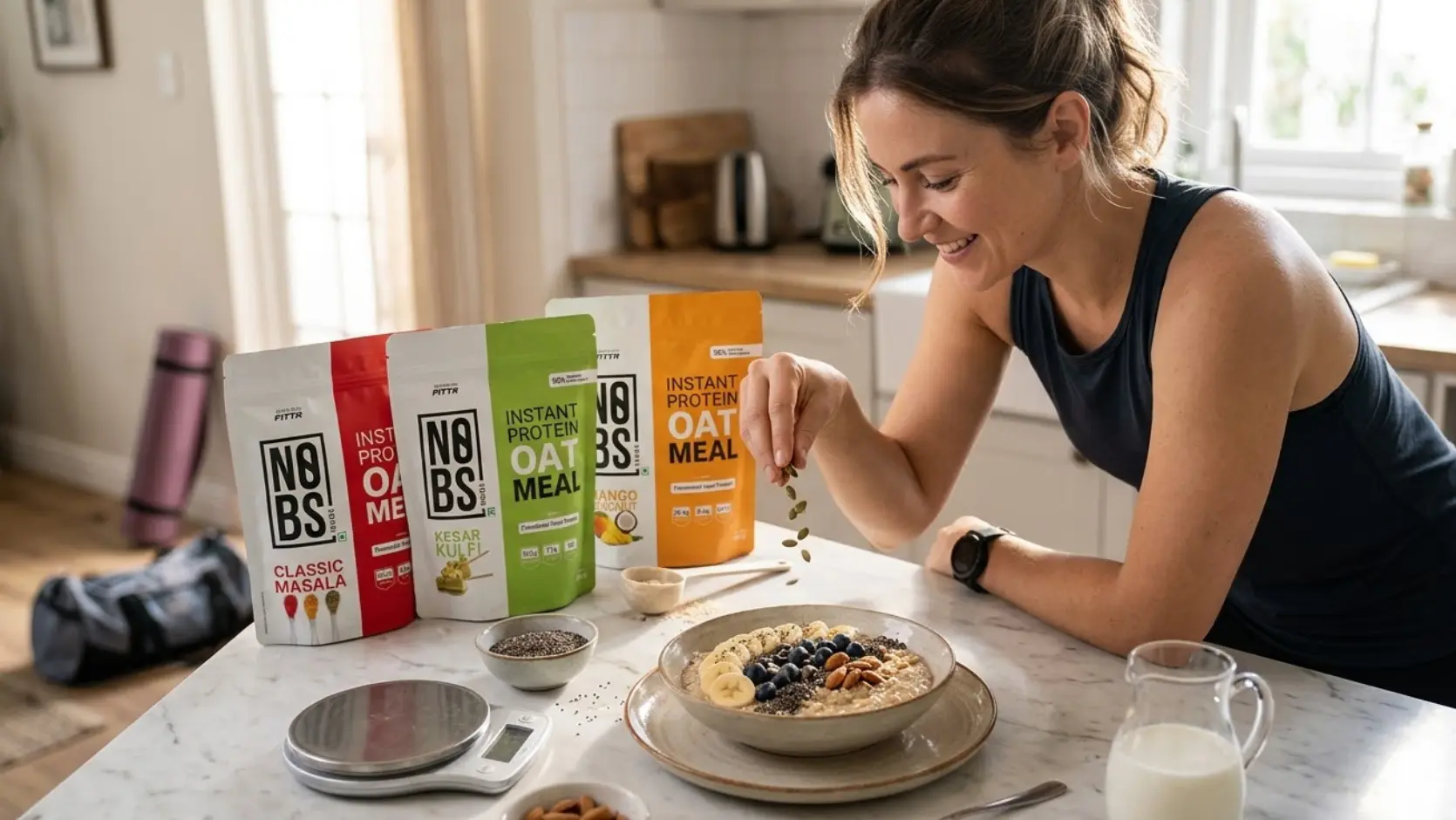
A standard serving is roughly 40 to 50 grams of dry oats, which is filling on its own but easy to double or triple without noticing if you are not measuring. Since oats are calorie-dense despite being filling, portioning them properly is just as important as choosing them in the first place.
What to Avoid Adding to Your Oats
The biggest way oats stop being weight-loss-friendly is through what gets added on top, not the oats themselves.
Common Add-Ins That Sabotage the Benefit
Generous drizzles of honey or maple syrup, large handfuls of dried fruit, and full servings of nut butter can quietly double or triple a bowl’s calorie count, while chocolate chips and sugary granola toppings undo much of the appetite-control benefit oats are known for. None of these need to be eliminated entirely, but keeping an eye on portion size for toppings matters as much as the oats themselves.
A Simple Weight-Loss-Friendly Oatmeal Recipe Approach
A genuinely useful bowl of oats for weight loss balances the base grain with protein and a modest amount of natural sweetness and fat.
Building a Balanced Bowl
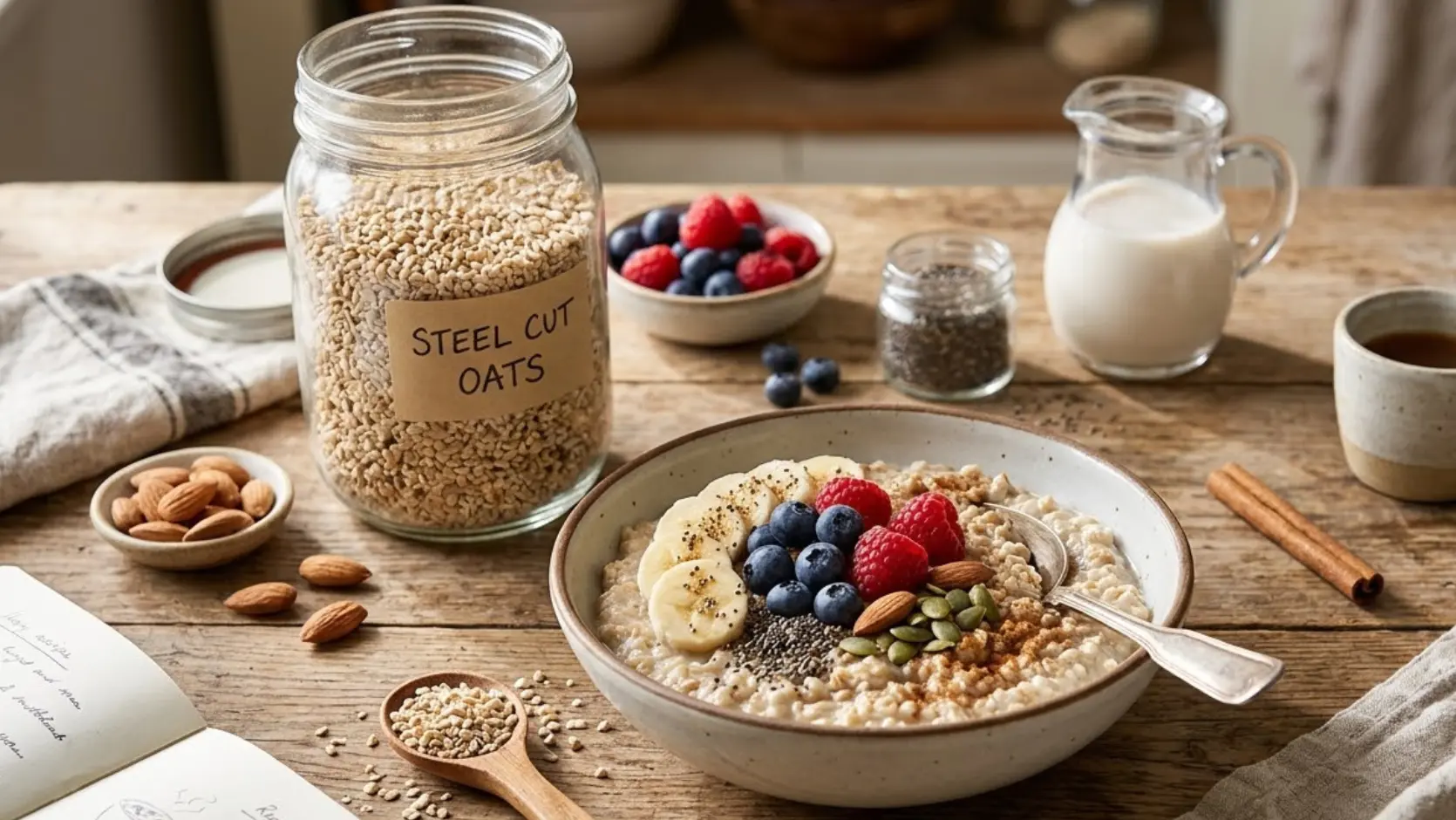
Cook your measured oats in water or low-fat milk, stir in a scoop of protein powder or a spoon of Greek yoghurt for staying power, add a small portion of fresh fruit like berries or a sliced banana for natural sweetness, and finish with a teaspoon of nuts or seeds rather than a full handful. This combination keeps the meal filling, nutrient-dense and reasonably calorie-controlled without feeling restrictive.
Oats and Blood Sugar
Because oats digest slowly thanks to their soluble fiber content, they produce a gentler rise in blood sugar than many other carbohydrate-rich breakfast options, which indirectly supports weight management by reducing the sharp hunger swings that follow a rapid blood sugar spike and crash.
Glycemic Index and Satiety
Steel-cut and rolled oats sit at a lower glycemic index than instant oats, largely because less processing means the fiber structure stays more intact, digesting more slowly as a result. If blood sugar stability is a priority alongside weight loss, choosing less-processed oat varieties is a genuinely worthwhile small upgrade.
Common Myths About Oats and Weight Loss
A few misconceptions are worth clearing up.
- Oats are not a “negative calorie” food; they still count toward your daily total like any other carbohydrate source.
- Instant oats are not automatically bad, but many flavoured sachets carry meaningfully more sugar than plain versions.
- Overnight oats do not have fewer calories than hot oatmeal; the preparation method does not change the nutrition content.
- Oats alone will not cause weight loss without an overall calorie deficit across your full day of eating.
- Gluten-free oats exist for anyone with a sensitivity, but standard oats are naturally gluten-free before cross-contamination during processing.
The Bottom Line
Is oats good for weight loss? Genuinely yes – their fiber, protein and slow-digesting carbohydrates make oatmeal, porridge and overnight oats all reasonable, dietitian-backed choices for a filling breakfast that supports a calorie deficit. The nutrition stays essentially the same whether you cook them hot or soak them overnight. What determines whether your specific bowl helps or hinders weight loss comes down to portion size and what you add on top, not the oats themselves. Keep the base simple, watch your toppings, and oats can be one of the easiest, most sustainable breakfast choices in a weight-loss plan.
Frequently Asked Questions
Is oats good for weight loss?
Yes, oats are high in fiber and protein relative to many breakfast grains, which helps control hunger and supports a calorie deficit for weight loss.
Is oatmeal good for weight loss specifically?
Yes, plain oatmeal made from rolled or steel-cut oats is a filling, nutrient-dense breakfast that fits well into a weight-loss plan when portioned sensibly.
Are overnight oats good for weight loss?
Yes, overnight oats have essentially the same nutrition as cooked oatmeal, so they support weight loss equally well while being easier to prepare ahead.
Is porridge good for weight loss?
Yes, porridge is simply another name for cooked oats, so it offers the same fiber and satiety benefits that make oats useful for weight loss.
How much oatmeal should I eat for weight loss?
A standard serving of roughly 40 to 50 grams of dry oats is filling and calorie-appropriate; measuring helps avoid accidentally doubling the portion.
Healthy Habits Beat Quick Fixes
Whether you call it oats for weight loss, oatmeal, porridge, or overnight oats, the nutrition science lines up consistently: fiber and protein that keep you full, and slow-digesting carbs that support stable energy through your day. To build oats into a full weight-loss plan, Fittr’s body fat calculator and guide on total daily energy expenditure can help you work out the calorie targets that make any breakfast choice actually count toward your goal.