




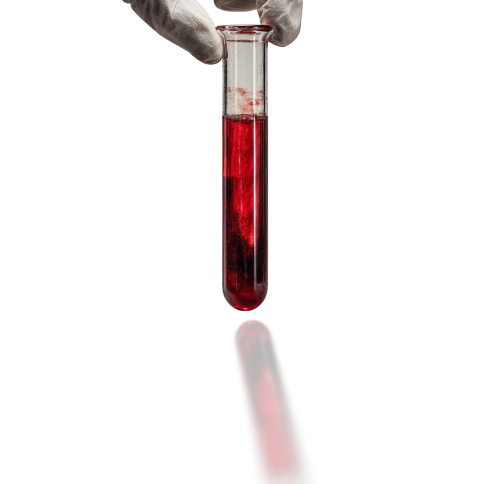

Iron deficiency is the most common nutritional deficiency in India. NFHS-5 (2019-21) found 57% of women aged 15-49 and 25% of men are anaemic, with iron deficiency as the leading nutritional cause. Iron deficiency exists on a spectrum – from depleted stores with normal haemoglobin, to impaired red blood cell production, to full iron deficiency anaemia. Many people experience symptoms before becoming technically anaemic.
fittr.com/labs/full-body-checkup-test-kharadi-pune/
Symptoms of Iron Deficiency
Early Stage –
- Iron Depletion (stores low, haemoglobin normal)
- Persistent fatigue and low energy despite adequate sleep
- Reduced physical endurance
- Mild difficulty concentrating
- Increased susceptibility to infections
Middle Stage –
- Iron-Deficient Erythropoiesis
- Worsening fatigue
- Hair fall and brittle nails
- Restless leg syndrome
- Pica – cravings for non-food substances such as ice or clay
Late Stage –
- Iron Deficiency Anaemia
- Pallor – pale skin, pale inner eyelids, pale nail beds
- Shortness of breath on mild exertion
- Rapid heartbeat and palpitations
- Dizziness and lightheadedness
- Koilonychia – spoon-shaped nails (severe deficiency)
Causes of Iron Deficiency
Inadequate Dietary Intake
Most common cause in India. Plant-based diets provide non-haem iron – less well-absorbed than haem iron from animal sources. Absorption is further reduced by phytates (in grains and legumes) and polyphenols (in tea and coffee) common in Indian dietary patterns.
Increased Physiological Demand
Pregnancy, breastfeeding, and rapid growth in infancy and adolescence significantly increase iron requirements.
Blood Loss
Heavy menstrual bleeding (menorrhagia) is a major cause in women of reproductive age. Chronic gastrointestinal bleeding from peptic ulcers or haemorrhoids may be silent and undetected.
Malabsorption
Celiac disease, inflammatory bowel disease, atrophic gastritis, H. pylori infection, and long-term proton pump inhibitor use reduce iron absorption even with adequate intake.
Which Blood Tests Diagnose Iron Deficiency?
TESTS AND NORMAL RANGES: Serum Ferritin: men 12-300 ng/mL, women 12-150 ng/mL. Most sensitive marker – below 30 ng/mL indicates depletion even with normal haemoglobin. | Serum Iron: 60-170 mcg/dL. | TIBC: 240-450 mcg/dL – rises in iron deficiency. | Transferrin Saturation: 20-50% – falls below 20% in deficiency. | Haemoglobin: Men 13.5-17.5 g/dL, Women 12-15.5 g/dL – falls only in the most advanced stage.
Ferritin is the most important single test for detecting iron deficiency at any stage. Serum iron alone is unreliable due to daily variation. Haemoglobin only falls in the advanced stage – which is why a CBC alone misses early iron deficiency.
Frequently Asked Questions
Q1. What are the main symptoms of iron deficiency?
Iron deficiency symptoms vary by stage. Early: fatigue, reduced stamina, difficulty concentrating. Middle: hair fall, brittle nails, restless legs. Late (iron deficiency anaemia): pallor, shortness of breath, palpitations, dizziness. Many people have iron deficiency without anaemia – haemoglobin is normal but iron stores are depleted.
Q2. What is the best blood test for iron deficiency?
Serum ferritin is the most sensitive and reliable test. Ferritin below 30 ng/mL indicates depleted stores even with normal haemoglobin. A complete iron panel – ferritin, serum iron, TIBC, transferrin saturation – gives the most complete picture. Haemoglobin alone only falls in the most advanced stage.
Q3. Why is iron deficiency so common in India?
India’s high burden is driven by plant-based diets (poor non-haem iron absorption), high dietary inhibitors (phytates in wheat and rice, polyphenols in tea), menstrual blood loss in women, repeated pregnancy, and intestinal infections. NFHS-5 found 57% of women aged 15-49 in India are anaemic, with iron deficiency as the primary nutritional cause.
Q4. Can I have iron deficiency without being anaemic?
Yes. Iron stores (measured by ferritin) can be depleted for months before haemoglobin falls. During this period, symptoms like fatigue, hair fall, and reduced stamina may occur with a normal haemoglobin level. This is why ferritin is a more sensitive screening marker than a blood count alone.
Q5. Where can I get an iron deficiency test done in Pune?
FITTR Labs includes ferritin and iron studies (serum iron, TIBC, transferrin saturation) as part of the vitamins panel in the full body checkup, with home blood sample collection across all 10 Pune locations.
Q6. Which foods are highest in iron?
Haem iron (most absorbable): red meat, chicken liver, fish, eggs. Non-haem iron: lentils, chickpeas, rajma, spinach, amaranth, sesame seeds, fortified cereals. To improve non-haem iron absorption, consume with Vitamin C-rich foods (lemon, amla, tomatoes) and avoid tea or coffee within an hour of meals.
You can book your iron deficiency here: https://fittr.com/labs/