Why How You Eat Oats Matters as Much as Eating Them
Oats themselves are genuinely useful for weight loss, but how you prepare and eat them decides whether that benefit actually shows up on the scale. The same bowl of oats can be a lean, filling breakfast or a sugar-loaded calorie bomb, depending entirely on the choices below.
This guide walks through seven specific, practical changes – not a single trick, but a set of habits you can mix and match based on your own routine, cooking time and taste preferences.
Way 1: Cook Oats in Water, Not Just Milk
Cooking oats in water rather than full-fat milk immediately cuts a meaningful number of calories without changing the fiber or satiety benefit at all.
Cutting Empty Calories Without Losing Creaminess
If you want the creamier texture milk gives, a splash of low-fat or plant milk stirred in at the end achieves much of the same effect for far fewer calories than cooking the whole batch in milk.
Way 2: Add a Protein Source Every Time
Plain oats are filling, but protein is what actually extends that fullness for hours rather than minutes. A scoop of protein powder, a spoon of Greek yogurt, or a side of eggs turns oats from a good breakfast into a genuinely great one for weight loss.
Why Protein Changes the Satiety Equation
Protein takes longer to digest than carbohydrate alone and has the strongest effect on appetite hormones of any macronutrient, which is why the same calorie total feels considerably more satisfying with protein added. Fittr’s guide to high-protein foods for weight loss has more pairing ideas.
Way 3: Bulk Up With Vegetables, Not Just Fruit
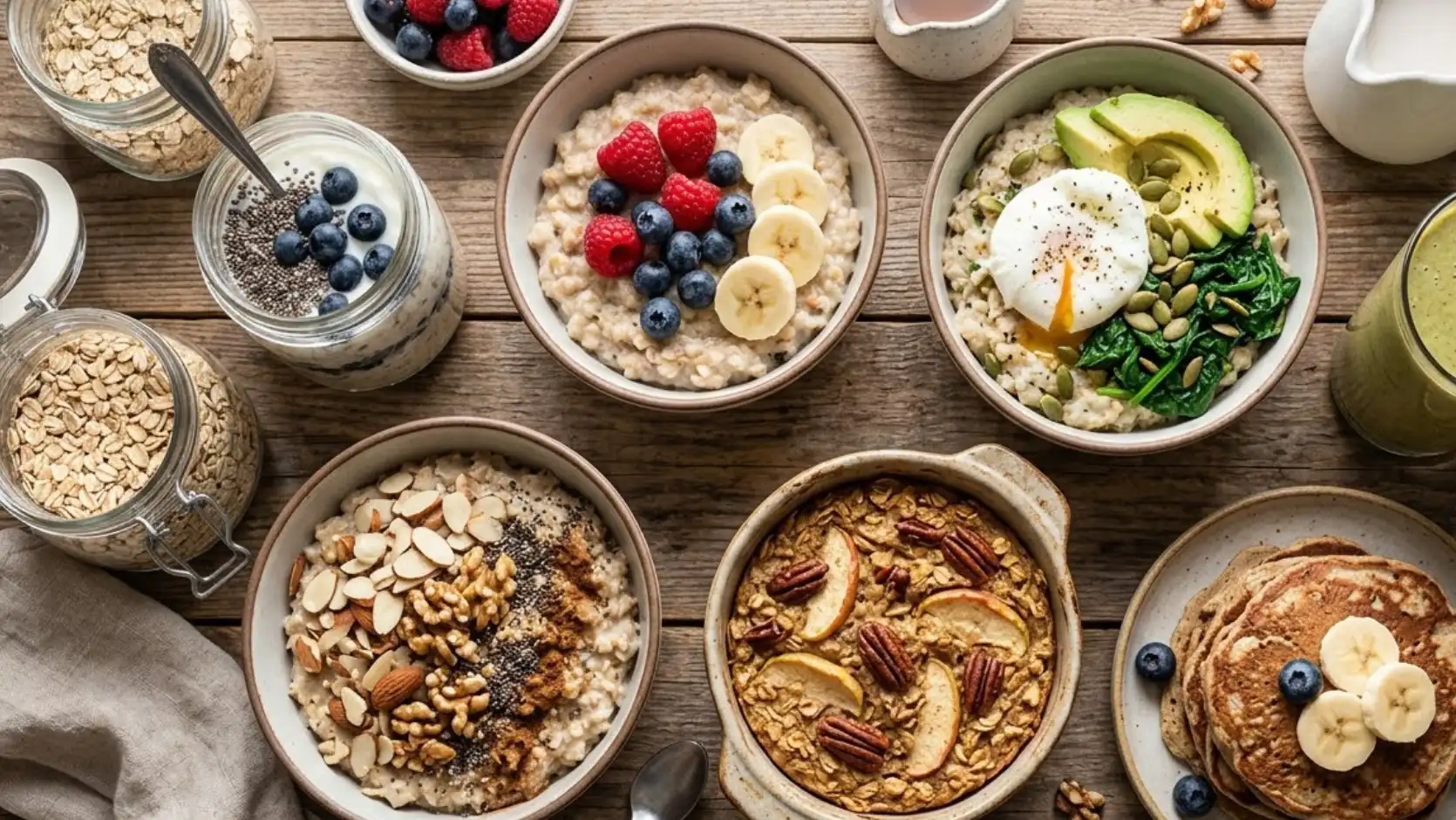
Sweet toppings are the default, but savory oats made with sautéed vegetables, a poached egg and a little cheese are a genuinely underused way to eat oats for weight loss.
Savory Oats as an Underused Option
Vegetables add volume, fiber and micronutrients for very few calories, which stretches the meal further without pushing your calorie total up the way another spoon of jam or honey would.
Way 4: Use Overnight Oats for Portion Control
Preparing oats the night before, soaked in milk or yogurt in the fridge, removes the temptation to eyeball a larger-than-intended portion in a rush the next morning.
Pre-Portioning Removes Guesswork
Measuring your oats into a jar the night before means the decision is already made before hunger or time pressure can influence you toward a bigger bowl than your plan actually calls for.
Way 5: Swap Sugar for Cinnamon and Spices
A spoon of sugar or honey adds calories without much nutritional return, while cinnamon, nutmeg or a pinch of cardamom add genuine flavour for essentially zero calories.
Flavor Without the Calorie Cost
This swap alone can save 40-60 calories per bowl, which adds up meaningfully if oats are a regular part of your routine rather than an occasional treat.
Way 6: Pair Oats With a Fiber-Rich Topping
Berries, chia seeds and ground flaxseed each add extra fiber on top of what the oats themselves provide, compounding the fullness effect for a relatively small calorie cost.
Berries, Chia and Flaxseed
A handful of berries brings sweetness and fiber together, while a teaspoon of chia or flax adds a gel-forming fiber similar in effect to the beta-glucan already in the oats themselves, further slowing digestion.
Way 7: Watch Your Portion, Not Just Your Ingredients
Even a perfectly prepared bowl of oats stops helping your goal if the portion quietly creeps up over time.
The 40-50 Gram Baseline
Measuring out roughly 40-50 grams of dry oats as a starting portion, rather than pouring freehand from the packet, keeps the calorie count predictable and in line with your broader daily target.
Oats at Different Times of Day, Not Just Breakfast
Most advice treats oats as strictly a breakfast food, but there is no nutritional reason they have to stay confined to the morning. Expanding when you eat oats gives you more flexibility to fit them into a weight-loss routine that actually matches your schedule.
Post-Workout and Evening Options
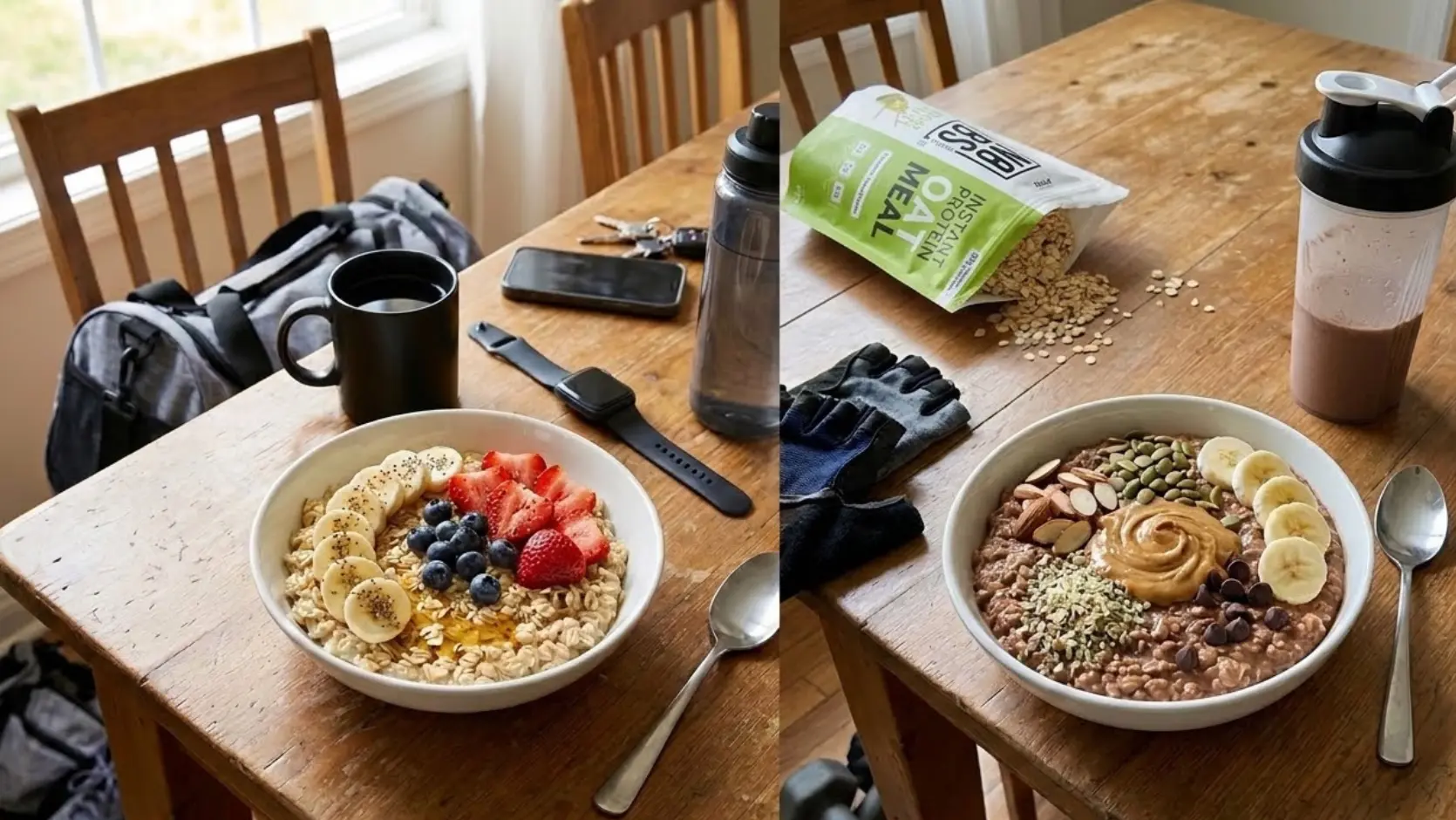
A small bowl of oats after training, paired with a protein shake, replenishes glycogen while keeping the meal filling rather than a fast-digesting, less satisfying option. As a light evening option, a smaller portion of savory oats with vegetables can work well for anyone who finds a heavier dinner interferes with sleep, without the blood-sugar spike a dessert-style snack would cause instead.
How to Make Oats Feel Different Every Day Without New Recipes
One of the quiet reasons people abandon oats after a few weeks is monotony, not any real flaw in the food itself. Small, low-effort variations keep the format feeling fresh without requiring an entirely new recipe each time.
Rotating Spices and Textures
Swapping cinnamon for cardamom one day, adding a crunchy topping like toasted seeds another, or alternating between a smooth and a chunkier texture by adjusting cooking time all change the eating experience meaningfully while keeping the underlying nutrition and calorie count essentially the same. This kind of small rotation is often what separates people who stick with oats for months from those who quietly stop after two weeks.
Common Mistakes When Trying to Eat Oats for Weight Loss
- Loading up on honey, dried fruit and nut butter, which can quietly double the calorie count of an otherwise lean bowl.
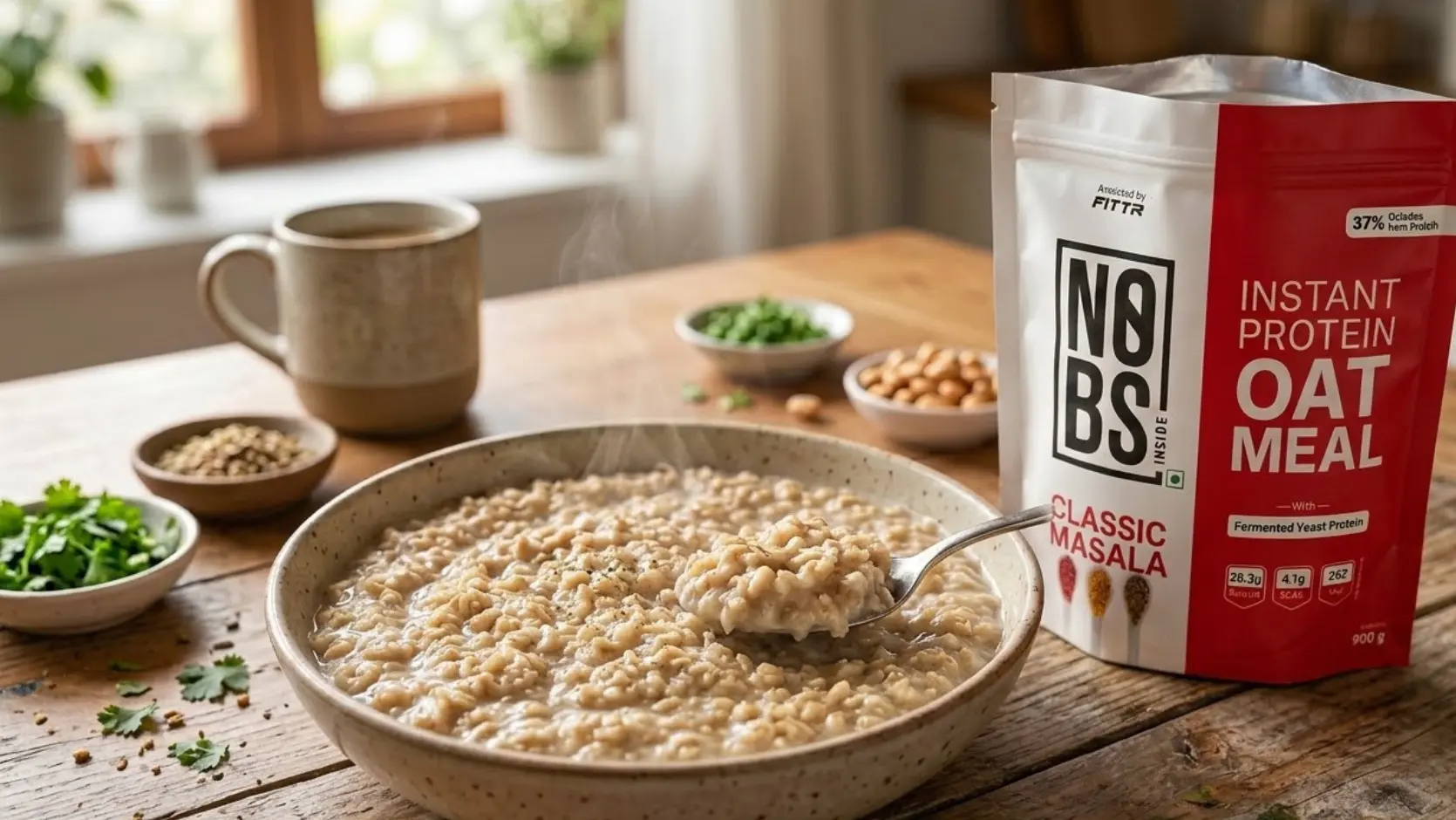
- Using flavoured instant sachets, which often carry considerably more added sugar than plain oats prepared at home.
- Skipping protein entirely, which shortens how long the meal actually keeps you full.
- Eyeballing portions instead of measuring, which is the single most common source of unplanned extra calories.
- Treating oats as a free food that can be eaten in unlimited quantities simply because it is “healthy.”
How to Build a Weekly Oats Routine
Rotating two or three preparations across the week keeps oats from becoming repetitive, which is often what causes people to abandon a genuinely useful habit after a few weeks.
Rotating Preparations to Avoid Boredom
Try a protein-and-berry version on some days, a savory vegetable version on others, and an overnight version for busier mornings, so the format stays consistent while the flavour keeps changing.
Eating Oats When You’re Eating Out or Travelling
Sticking with oats gets harder once your normal kitchen and routine are unavailable, but a few simple habits keep the benefit going even when your usual setup isn’t an option.
Packing Portions and Reading Café Menus
Carrying a small, pre-measured pouch of dry oats and a packet of protein powder means you can prepare a version of your usual bowl with just hot water almost anywhere. When eating out, many cafés now offer an oatmeal option – checking whether it comes pre-sweetened, and asking for toppings on the side rather than mixed in, gives you the same portion control you would have at home.
The Bottom Line
How you eat oats for weight loss matters more than the fact that you are eating them at all. Cook in water, add protein, watch the toppings, and measure your portion, and oats become one of the most reliable breakfasts you can build a fat-loss routine around.
For the underlying evidence on why oats support weight loss in the first place, see Fittr’s dedicated guide to oats for weight loss.
Frequently Asked Questions
How do I eat oats for weight loss?
Cook them in water or low-fat milk, add a protein source, keep sweeteners minimal, and measure a consistent portion of roughly 40-50 grams dry oats.
How do I eat oatmeal to lose weight?
The same principles apply as with oats generally – a modest portion, a protein pairing, and light, low-sugar toppings rather than syrup or dried fruit in large amounts.
How should I consume oats for weight loss – hot or cold?
Both work equally well nutritionally; cooked oatmeal and overnight (cold-soaked) oats offer similar fiber and satiety benefits, so choose whichever you’ll actually eat consistently.
What is the best oats preparation for weight loss?
There is no single best method – plain, water-based preparation with a protein source and controlled portion is the common thread across the most effective approaches.
Can I eat oats every day for weight loss?
Yes, oats are suitable for daily use as part of a balanced diet, provided the overall meal still fits within your daily calorie target.
Healthy Oat Habits Beat Crash Diets
How to eat oats for weight loss, how to eat oatmeal to lose weight, how to consume oats for weight loss – whichever phrasing brought you here, the seven habits above cover the same practical ground: simple prep, protein, portion control.
Build two or three of these into a rotating weekly routine, and oats stop being just another breakfast and start genuinely working for your goal.