






Why a Body Composition Test Matters More Than Weight Alone
A body composition test answers a question your bathroom scale never can: what is your weight actually made of? Two people at the same weight can have very different body analysis results – one with more muscle and less fat, the other the reverse – and they’ll look and perform quite differently despite an identical scale reading. This guide explains exactly what a body composition test measures, how a body composition analyser arrives at those numbers, and why this data genuinely matters for anyone with a health or fitness goal beyond simply watching a single number go up or down.
What a Body Composition Test Actually Measures
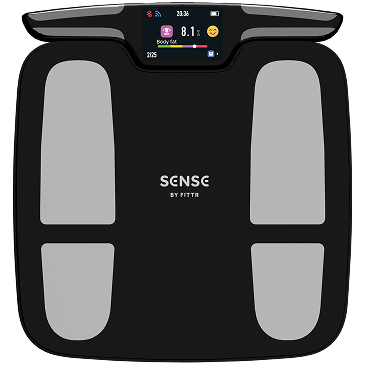
A typical body composition test reports several distinct figures: body fat percentage, showing what portion of your weight is fat tissue; skeletal muscle mass, your lean tissue weight; and body water percentage, reflecting hydration alongside your overall composition profile. More thorough body analysis also includes bone mass and a visceral fat rating, an estimate of fat surrounding your internal organs that’s relevant to metabolic health well beyond simple appearance. Together, these figures paint a far fuller picture than total weight could ever provide alone.
How a Body Composition Analyser Gets These Numbers
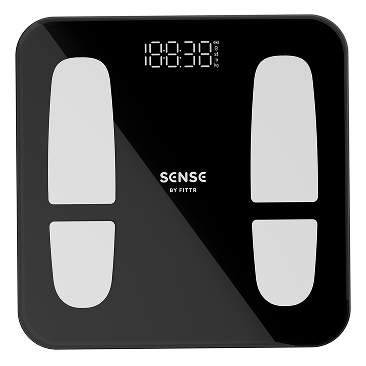
Most consumer and many professional body composition analyser devices use bioelectrical impedance analysis, sending a small, completely safe electrical current through your body and measuring resistance. Because fat, muscle and water conduct electricity differently, this resistance data lets the device estimate your composition. This method is convenient and repeatable, though it’s an indirect estimate rather than a direct measurement, which is why body composition test results shift with hydration, recent exercise, and timing – factors worth understanding before interpreting any single reading too literally.
Breaking Down Each Metric
Why Body Fat Percentage Matters
Body fat percentage from a body composition test tells you what portion of your weight is fat tissue, information that’s far more actionable for fat-loss goals than total weight alone, since weight loss can come from fat, muscle, or simply water, and only body analysis reveals which one is actually happening. Tracking this figure over weeks, rather than fixating on any single reading, reveals whether your current approach to nutrition and training is genuinely reducing fat, or whether the number on your bathroom scale is moving for reasons that don’t actually reflect the progress you’re hoping for.
Why Muscle Mass Data Matters
Muscle mass, reported by any thorough body composition analyser, matters for far more than aesthetics – it’s directly tied to metabolic health, functional strength, and healthy ageing, since muscle naturally declines with age unless actively maintained through resistance training and adequate protein intake. A body composition test that shows stable or rising muscle mass during a fat-loss phase indicates your approach is preserving what matters most, while falling muscle mass alongside falling weight suggests your current method may be too aggressive or lacking adequate protein and resistance training support.
Understanding Water Percentage and Why It Fluctuates
Body water percentage is the most volatile figure in any body composition test, shifting meaningfully with hydration status, recent exercise, sodium intake, and for women, where they are in a menstrual cycle. A single day’s water percentage reading tells you relatively little in isolation. Understanding this volatility helps prevent overreacting to a single body analysis session that looks different from your last one, since water shifts alone can account for a considerable portion of day-to-day variation in your total weight and even in your fat percentage estimate.
Visceral Fat: A Metabolic Health Indicator
Beyond aesthetics, visceral fat – fat surrounding your internal organs – is a genuinely important metabolic health indicator that a thorough body composition test can reveal, since this fat type is more strongly linked to health risks than subcutaneous fat visible just beneath the skin. A body composition analyser reporting visceral fat gives you insight beyond what any bathroom scale or even a simple body fat percentage could reveal on its own, making this metric worth paying attention to for anyone concerned about metabolic health beyond simple appearance-focused goals.
How Often You Should Get a Body Composition Test
Weekly body composition test sessions, under consistent conditions, give enough data points to reveal a genuine trend without adding unnecessary daily noise. Testing more frequently isn’t harmful, but the extra data rarely adds meaningful insight beyond what a weekly check already provides for most people. For anyone in an active fat-loss or muscle-building phase, slightly more frequent body analysis – two or three times weekly – can help catch a stalling trend earlier, giving you time to adjust your approach before too many weeks pass without visible progress toward your goal.
Interpreting Your Body Composition Test Correctly
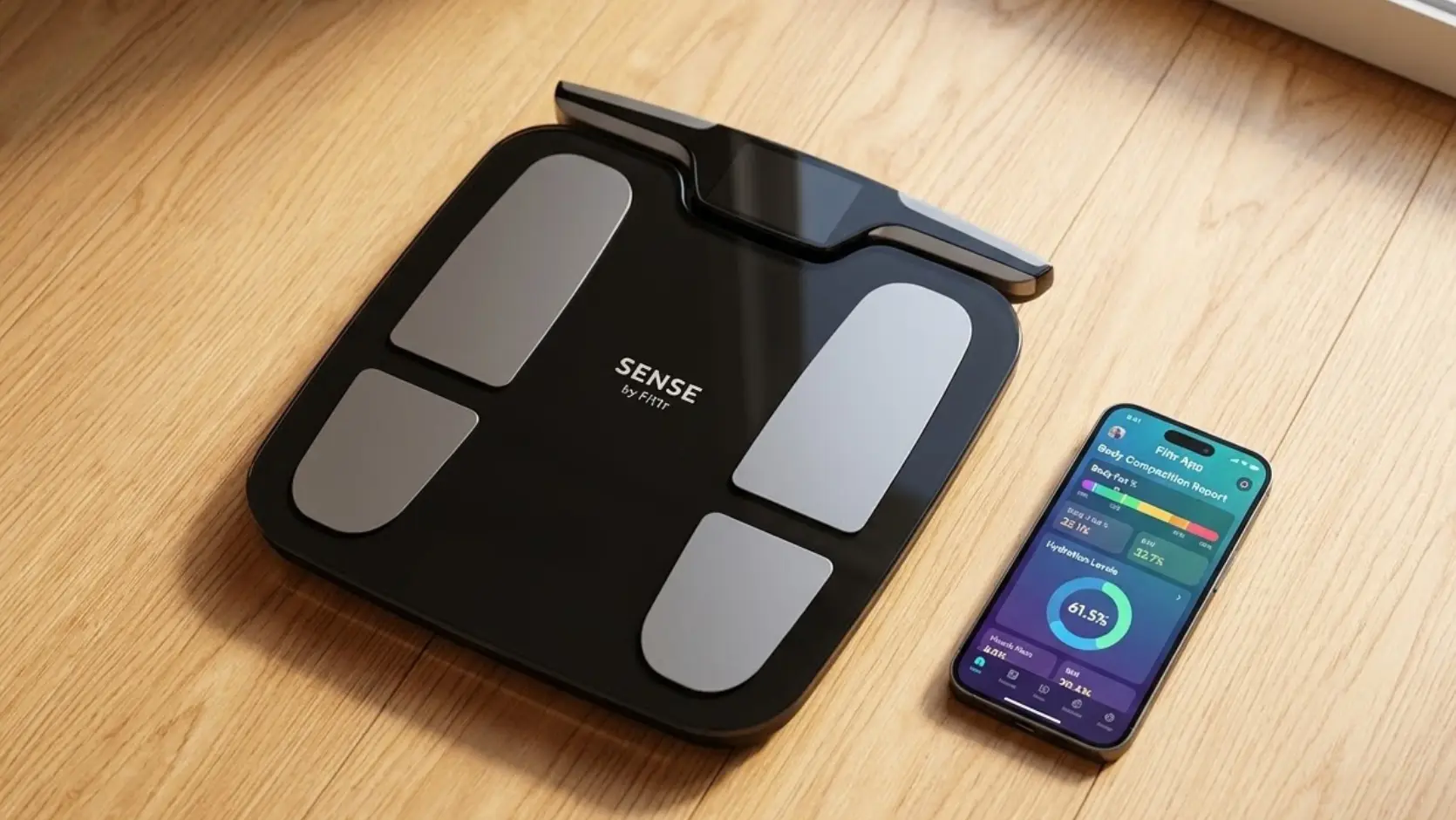
The single most important skill in using body composition test data well is reading the trend rather than any individual session’s numbers. A steady multi-week direction in fat percentage or muscle mass is genuinely meaningful; a single day’s fluctuation almost always reflects normal biological noise instead. Most body composition analyser apps display this trend automatically as a simple line chart, and learning to trust that chart over any single reading is what turns regular body analysis from a source of confusion into a genuinely useful tool for tracking real progress toward your goals.
Body Composition Test Results Across Age and Life Stage
Healthy body composition test ranges shift naturally across life stages, and understanding this prevents unnecessary worry over normal, expected change. Muscle mass typically peaks in early adulthood and gradually declines afterward unless actively maintained through resistance training, while fat distribution patterns shift with hormonal changes over the decades. For women specifically, pregnancy, postpartum recovery, and menopause all bring genuine, expected shifts in body composition that shouldn’t be judged against a pre-pregnancy or younger baseline. For men, midlife often brings gradual muscle decline if training doesn’t keep pace, exactly the kind of trend regular body analysis is good at catching early.
Combining Body Composition Data With Other Health Markers
A body composition test works best as one part of a broader health picture rather than the sole measure of progress. Pairing your composition trend with measurements like waist circumference, progress photos, or strength gains in training gives a fuller, more resilient view than any single metric alone. This combined approach protects motivation during a genuine plateau in your body composition analyser numbers, since visible progress in other markers – even while composition data holds steady – keeps the bigger picture in view rather than fixating on one metric during a temporary, entirely normal stall in progress.
Working With a Coach to Interpret Body Analysis
A qualified coach can help interpret body composition test results in context, distinguishing normal fluctuation from a genuine trend shift worth adjusting your training or nutrition around. This guidance is particularly valuable when results seem confusing or contradictory at first glance. Beyond simple interpretation, a coach can also help set realistic body analysis targets appropriate to your specific starting point, training history, and goals, rather than comparing your numbers against generic population averages that may not reflect what’s genuinely healthy or achievable for your individual situation.
Common Myths About Body Composition Testing
A few misconceptions deserve a direct correction.
- A body composition test result is an estimate, not a precise diagnosis, and should be read as a trend rather than an exact figure.
- Body analysis isn’t only useful for athletes or bodybuilders; it’s valuable for anyone with a general health or fitness tracking goal.
- A single day’s body composition analyser reading looking different from usual doesn’t mean something’s genuinely wrong with your progress.
- Home and clinical body composition test methods don’t need to match exactly; each is useful for its own specific purpose and context.
- Water percentage fluctuation is normal and doesn’t indicate a health problem on its own without other concerning symptoms present.
The Bottom Line
A body composition test reveals what your weight is actually made of, giving you body fat, muscle mass, and water percentage data that a simple scale reading alone could never provide, and this fuller picture matters genuinely for nearly any health or fitness goal you might have. Whether measured by a home smart scale or a more advanced clinical body composition analyser, the same principle applies: test consistently, trust the trend over any single body analysis session, and use the data to guide real decisions about your training and nutrition over time.
Frequently Asked Questions
What does a body composition test measure?
Typically body fat percentage, muscle mass, water percentage, and often bone mass and visceral fat rating, alongside your total weight.
Why does body composition matter more than weight alone?
Weight alone can’t reveal whether change is coming from fat, muscle, or water, while body analysis distinguishes between these clearly.
How accurate is a body composition analyser?
It provides an estimate rather than a precise measurement, affected by hydration and timing, but reliable enough to track trends over time.
How often should I get a body composition test?
Weekly testing under consistent conditions works well for most people; those actively training may test two or three times weekly.
Why does my body composition test vary between sessions?
Hydration, recent exercise, sodium intake and hormonal factors all affect readings, which is why the trend matters more than one result.
Know Your Body. Unlock Better Health.
Body composition test, body composition analyser, or body analysis – all describe the same genuinely valuable idea: understanding what your weight is really made of, beyond a single number on a scale. To act on your results, Fittr’s body fat calculator and strength-focused coaches can help you turn your body composition test data into real progress.