




What Makes a Weighing Scale “Best” for Human Use
The best weighing scale for human use isn’t necessarily the most expensive or feature-packed option available – it’s the weight scale for human tracking that reliably gives you consistent, trustworthy body scale weight readings suited to your household’s actual needs and goals. This guide walks through what genuinely separates a top weighing scale for human use from a mediocre one, cutting through marketing language to focus on the specifications and qualities that actually matter for daily, real-world use.
Key Features That Define the Best Scale
Accuracy and Consistency: The Foundation
Before any other feature, the best weighing scale for human use needs to nail the fundamentals: giving you the same body scale weight reading under the same conditions, every single time. This consistency, more than absolute precision to the gram, is what makes a scale genuinely useful for tracking health over time. A weight scale for human use that fluctuates unpredictably between consecutive readings under identical conditions isn’t trustworthy, regardless of how many additional features it offers, since the entire point of tracking depends on being able to trust the number you’re seeing.
Sensor Quality Behind Reliable Readings
The best weighing scale for human use relies on quality four-point load sensors, distributing your weight evenly across the platform and correcting for standing slightly off-centre. This sensor configuration is what actually determines whether your body scale weight readings stay consistent day after day. Cheaper single-sensor designs can give noticeably less reliable results if you’re not standing precisely centred each time, making sensor configuration one of the most important, if often overlooked, specifications to check before choosing a specific weight scale for human use.
Platform Size and Comfort for Human Weighing
A genuinely good weighing scale for human use offers a platform large enough for comfortable, stable standing, with a non-slip textured or tempered-glass surface that stays secure even with wet feet. Comfort directly affects how consistently you’ll actually use the scale over time. This matters more than it might initially seem, since a scale that feels cramped or unstable discourages the very daily or weekly habit that makes tracking body scale weight genuinely useful for revealing meaningful trends over weeks and months.
Weight Capacity Considerations
Every weight scale for human use has a maximum rated capacity, and the best options for your household comfortably exceed your heaviest user’s weight with reasonable margin. A scale used near its rated limit gives less reliable body scale weight readings and wears out faster than one within a comfortable capacity range. Checking this specification carefully before buying, particularly for multi-person households, is a simple step that’s easy to overlook amid more exciting features like body composition tracking or app connectivity.
Digital vs Analog for the Best Results
Nearly every current recommendation for the best weighing scale for human use points toward digital over analog, since digital sensors offer sharper precision and don’t suffer the gradual calibration drift that affects mechanical spring designs over years of regular use. For anyone serious about tracking body scale weight trends accurately over time, a digital weight scale for human use is the clearly stronger choice, with analog remaining a reasonable option only for buyers specifically prioritising simplicity over precision.
Body Composition: A Valuable Addition
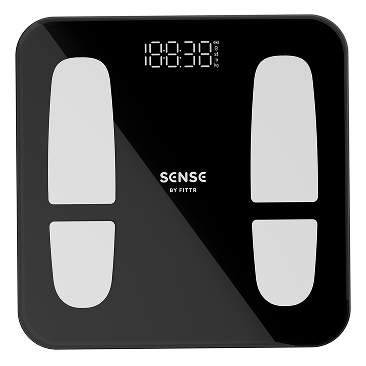
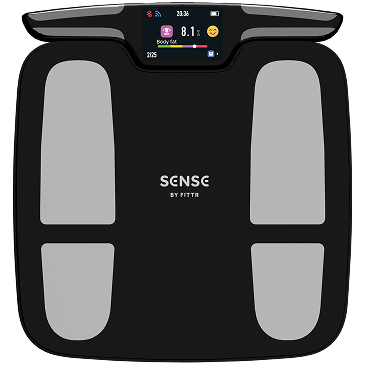
Beyond basic body scale weight, the best smart weighing scale for human use models estimate body fat percentage, muscle mass and water percentage using bioelectrical impedance. This is genuinely valuable for anyone with a specific fat-loss or muscle-gain goal, turning simple weight tracking into fuller health monitoring. If general health monitoring is your only goal, a basic weight-only weight scale for human use is entirely sufficient, and skipping body composition tracking saves cost without losing anything you’d genuinely use for that simpler purpose.
App Connectivity for Long-Term Tracking
A connected weighing scale for human use that automatically logs every body scale weight reading into a companion app removes the friction of manual tracking, building a trend chart over time without any extra effort required from you beyond simply stepping on the scale. When comparing app-connected options, check reviews of the companion app itself, not just the scale hardware, since a great scale paired with a poorly designed app delivers considerably less real value than the specifications alone might suggest.
Setting Up Your Scale for the Best Results
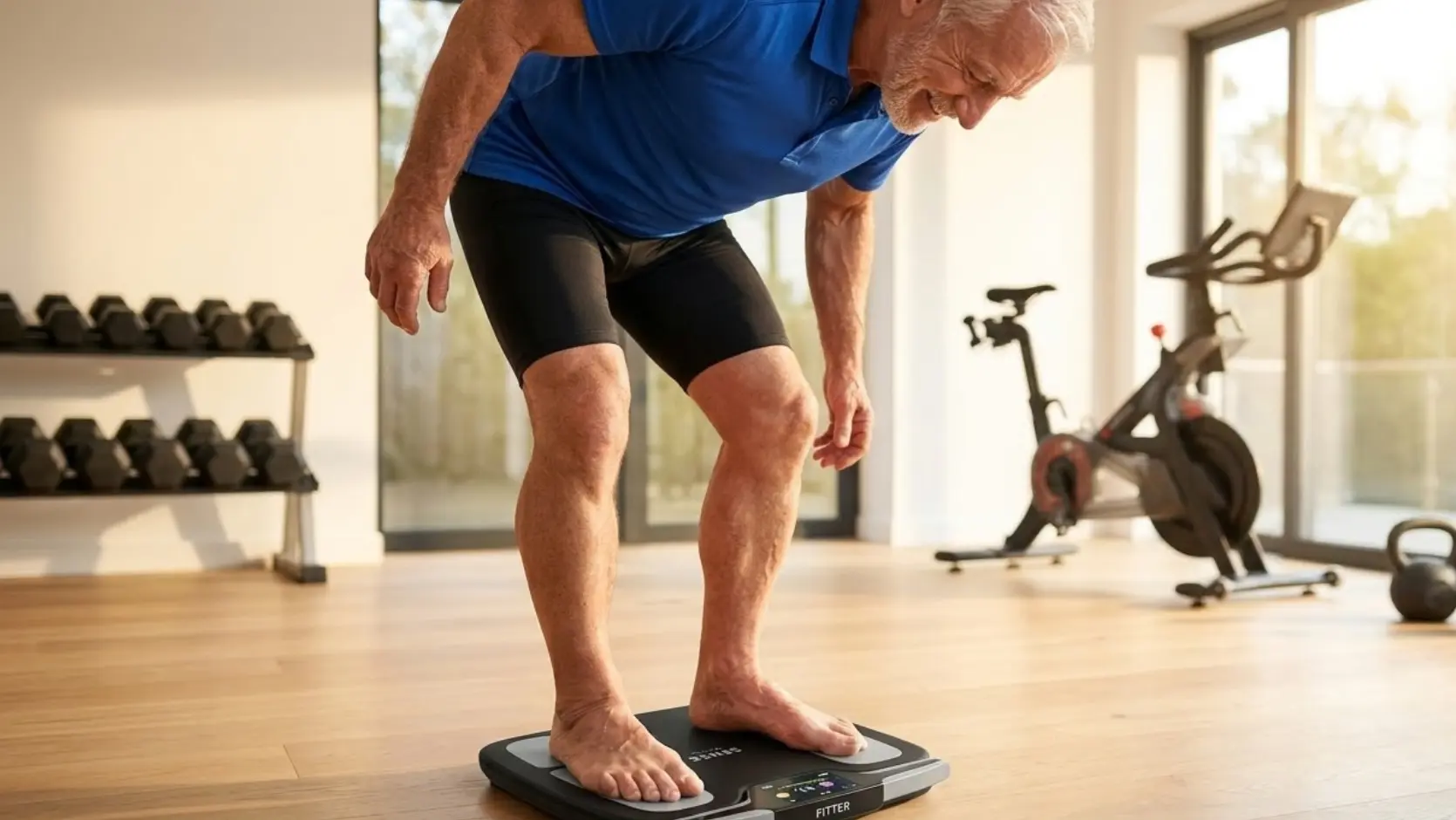
Even the best weighing scale for human use gives misleading body scale weight readings if used incorrectly. Place it on a hard, flat, level surface, weigh at a consistent time of day – ideally first thing in the morning – and stand still and centred on the platform every time you weigh yourself. These setup habits matter as much as the scale’s own quality, since even a well-engineered weight scale for human use can’t compensate for inconsistent placement or timing that introduces unnecessary variability into your tracking data.
Multi-User Households and the Best Scale Choice
For households with multiple people sharing one weighing scale for human use, automatic user recognition becomes a genuinely important feature, particularly for smart scales tracking body composition alongside body scale weight. Without it, shared data becomes confusing and difficult to interpret meaningfully for any single household member. Checking how many user profiles a specific weight scale for human use supports, and how reliably it distinguishes between similar-weight family members, is worth doing before buying if your household will genuinely share one device across several regular users.
Reading Reviews to Find the Best Option
When comparing weighing scale for human use options, prioritise reviews that specifically mention long-term consistency after months of ownership over first-impression unboxing reviews, since genuine accuracy problems often only surface after extended regular use rather than in the first week. A pattern of reviews specifically praising consistent body scale weight readings over time is a far stronger signal of genuine quality than a high star average alone, which can sometimes reflect enthusiasm from early adopters rather than durability proven over a longer ownership period.
Warranty as a Quality Signal
A longer warranty period on a weight scale for human use often reflects genuine manufacturer confidence in their sensor quality and build durability. When comparing otherwise similar options, favouring the one with better warranty support is a reasonable tiebreaker that protects your purchase against early manufacturing faults. This is particularly worth checking for smart scales with more complex electronics, since these have more components that could potentially develop an issue compared to a simpler weight-only weighing scale for human use with fewer internal parts.
Common Myths About Human Weighing Scales
A few misconceptions are worth clearing up.
- The most expensive weighing scale for human use isn’t automatically the most accurate; sensor quality matters more than price alone.
- A body scale weight reading doesn’t need to be lab-precise to be genuinely useful for tracking your own trend consistently over time.
- Body composition tracking isn’t essential for everyone; it’s valuable specifically for those with a fat-loss or muscle-gain goal.
- A wider platform doesn’t automatically mean better accuracy; sensor configuration matters more than platform dimensions alone.
- Two scales reading slightly differently doesn’t mean either is faulty; each simply needs to be internally consistent over time.
The Bottom Line
Finding the best weighing scale for human use comes down to a handful of genuine fundamentals – reliable sensors, a stable platform, adequate capacity, and features that actually match your goals – rather than chasing the longest feature list or highest price tag available. Focus on these fundamentals when comparing options, and you’ll come away with a weight scale for human use that delivers consistent, trustworthy body scale weight readings for years of genuine, regular use in your household.
Frequently Asked Questions
What makes a weighing scale the best for human use?
Consistent accuracy, quality sensors, adequate weight capacity, and features that genuinely match your household’s goals define the best options.
How important is body scale weight consistency?
Very important – consistency under the same conditions matters more than absolute precision for meaningfully tracking health over time.
Should I choose digital or analog for the best results?
Digital is generally the stronger choice, offering sharper precision and less calibration drift than analog spring-based designs.
Do I need body composition tracking in my weight scale for human use?
Only if you have a specific fitness goal like fat loss or muscle gain; a weight-only scale suffices for general health monitoring.
How can I get the most accurate body scale weight readings?
Use a hard, flat surface, weigh at a consistent time daily, and stand still and centred on the platform every time you step on.
Choose the Scale That Supports Your Goals.
Weighing scale for human use, weight scale for human, or simply tracking your body scale weight – whichever term guides your search, the same fundamentals decide which option genuinely earns the title “best” for your household. Once you’ve chosen your scale, Fittr’s body fat calculator and general nutrition articles can help you build a real plan around your new readings.