


A weight scale machine is one of those everyday objects almost everyone owns, yet few people buy thoughtfully. Most of us grab whatever is cheapest or nearest, then wonder why the readings feel unreliable or why the scale tells us so little. The truth is that a well-chosen weight scale machine can be a genuine health tool, while a poorly chosen one is barely more than a number on the floor. This buyer’s overview walks through everything that matters when choosing a weight scale machine for the human body – the types available, the features that count, how accurate they really are, and how to match one to your goals. By the end, you will know exactly what to look for, what to ignore, and how to get the most out of whatever scale you bring home.
What Is a Weight Scale Machine?
A weight scale machine is simply a device that measures body weight. At the basic end, it shows a single number and nothing more. At the smart end, it also estimates your body composition – body fat, muscle mass, body water and other metrics – and syncs everything to an app so you can follow your progress over time. In other words, the term covers a wide spectrum, from a simple analog dial to a connected health instrument. For personal health, it is the body weight scale that matters, and within that category the gap between a basic and a smart machine is wider than most people expect.
Types of Weight Scale Machines
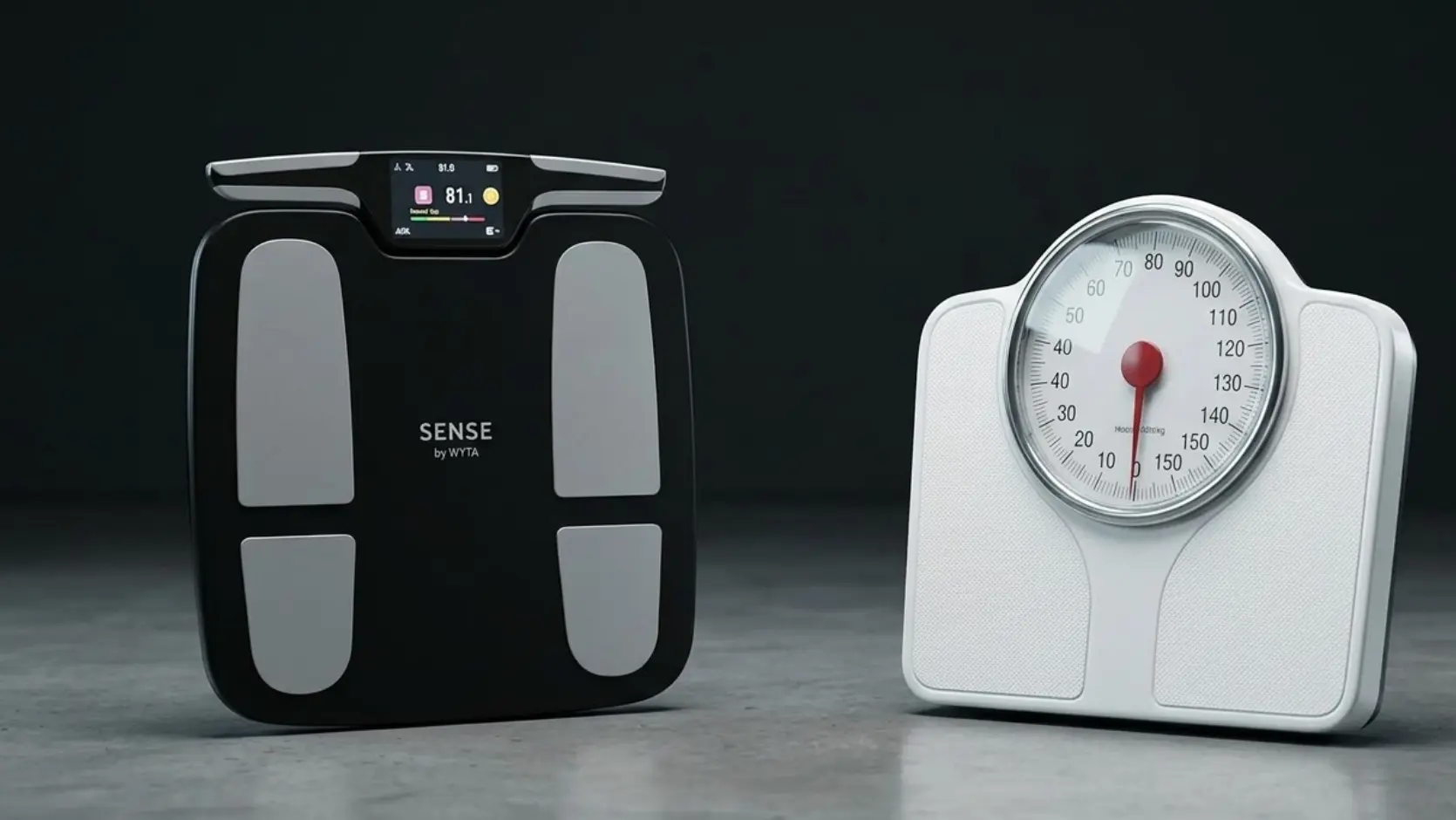
Before buying, it helps to know the main options on the market and what each is best suited for. The key difference is how much information each type provides, from basic weight measurement to body composition and app-based tracking.
Analog Scales
Spring-and-dial, battery-free and affordable, but generally less precise. They measure weight only, making them suitable for simple and occasional weight checks.
Digital Scales
Use electronic load sensors with a clear digital display, providing more accurate and consistent weight readings than analog models. They are a practical choice for regular weight tracking at home.
Smart Scales
Digital scales that go beyond weight measurement by estimating body composition and syncing readings to a mobile app. They can help you track changes in weight and body composition over time, making them useful for specific health and fitness goals.
Each type suits a different need, and the right pick depends on your goals, preferred features, and budget.
Basic vs Smart Weight Scale Machines
This is the central decision for most buyers. A basic weight scale machine shows only your weight – useful, but a single dimension of a far more complex picture. A smart machine shows weight plus body fat, muscle and more, and records everything in an app so you can see the trends that genuinely reflect your progress. For anyone with a health or fitness goal, that extra context is transformative. It lets you tell the difference between losing fat and losing muscle, or confirm that a stable scale number actually hides real body-composition gains. That is why smart machines have become the default choice for health-conscious buyers, even though they cost a little more.
What a Smart Weight Scale Machine Measures
A good smart machine paints a far richer picture than weight alone. By tracking multiple body composition metrics, it helps you understand changes in your body over time rather than relying only on the number shown on the scale.
Body Weight
The headline number, recorded automatically each time you step on the scale. Tracking weight over time can help you identify overall trends and monitor progress towards your fitness goals.
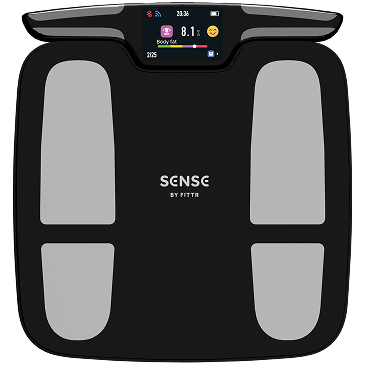
Body Fat Percentage
Often one of the most useful metrics for fitness goals, as it provides additional context beyond body weight. Tracking changes in body fat percentage can help you understand whether your progress is coming from changes in fat mass.
Muscle Mass
Provides an estimate of your muscle mass, helping you monitor whether you are maintaining or building muscle as you work towards your fitness goals.
Body Water
Estimates your body water level, which can add useful context to normal day-to-day changes in body weight. Hydration, food intake, and other factors can cause your weight to fluctuate.
BMI and More
BMI is calculated from your height and weight and provides a quick reference for understanding your weight relative to your height. Depending on the model, smart machines may also provide additional body composition measurements for a broader view of your health and fitness progress.
These estimates pair naturally with tools like Fittr’s body fat percentage calculator, helping you turn the numbers into an actual plan.
Key Features to Look For
A handful of features separate a scale machine you will trust from one you will ignore. Accuracy and consistency come first, because a machine that wanders is worse than useless for tracking. Weight capacity matters if anyone in the household is heavier than a basic scale’s limit, and a clear, well-lit display makes daily use pleasant. Beyond those basics, app quality and body-composition tracking become the deciding factors if your goals go beyond weight. Multi-user support is valuable for families, and a sturdy, non-slip build with a sensible footprint rounds out the practical considerations. Match these to your needs rather than chasing every feature.
Accuracy and Consistency
When it comes to accuracy, consistency is the quality that truly matters. For tracking your health, it is far less important whether the machine is calibrated to the exact gram than whether it gives you the same reading under the same conditions every time. A consistent machine lets you trust the trend – and the trend is what tells you whether your plan is working. Body-composition estimates are inherently less precise than weight itself, so read those as trends too, not absolute truths. A smart scale’s body-fat figure may differ from a clinical test, but if it shows your fat trending down and muscle holding steady over weeks, that direction is reliable and meaningful.
How to Use a Weight Scale Machine
Accuracy is as much about how you weigh as which machine you own. Place the scale on a hard, flat, level surface – carpet throws readings off badly. Weigh yourself at the same time of day, ideally first thing in the morning after using the bathroom and before eating or drinking, in similar clothing each time. These small habits strip out most of the noise, so the changes you see reflect real shifts rather than the time of day or a heavy meal.
Weight Scale Machines for Different Goals
How you use a machine depends on your goal. For fat loss, body fat percentage and the weight trend together tell the real story. For muscle gain, muscle mass matters more than scale climbing. For maintenance, a steady trend is the win. Pairing your readings with an understanding of your total daily energy expenditure helps you set the targets that move those numbers. The key is to choose the metrics that match your aim and follow them patiently over weeks. A weight scale machine rewards consistency: the longer you track under the same conditions, the clearer and more useful the picture becomes.
Price and Value
Weight scale machines span a wide price range. Basic analog and digital scales are inexpensive, while smart body-composition machines cost more but deliver far more insight. The best value is not the cheapest scale, but the one that does what your goals require without paying for features you will never use. Because you use a scale for years, even a smart machine’s modest premium works out to a tiny cost per use for a tool that informs your training and diet the whole time. Thought of it that way, a good scale is one of the highest-value purchases in any home gym.
Buying Tips
Before you buy, run through this quick checklist:
- Do you want weight only, or body composition too?
- Is the weight capacity right for everyone who will use it?
- Does it sync to an app you will actually use?
- Is there local warranty and support where you are buying?
- Does the total cost, including any fees, beat the alternatives?
Example: The FITTR Sense Smart Scale
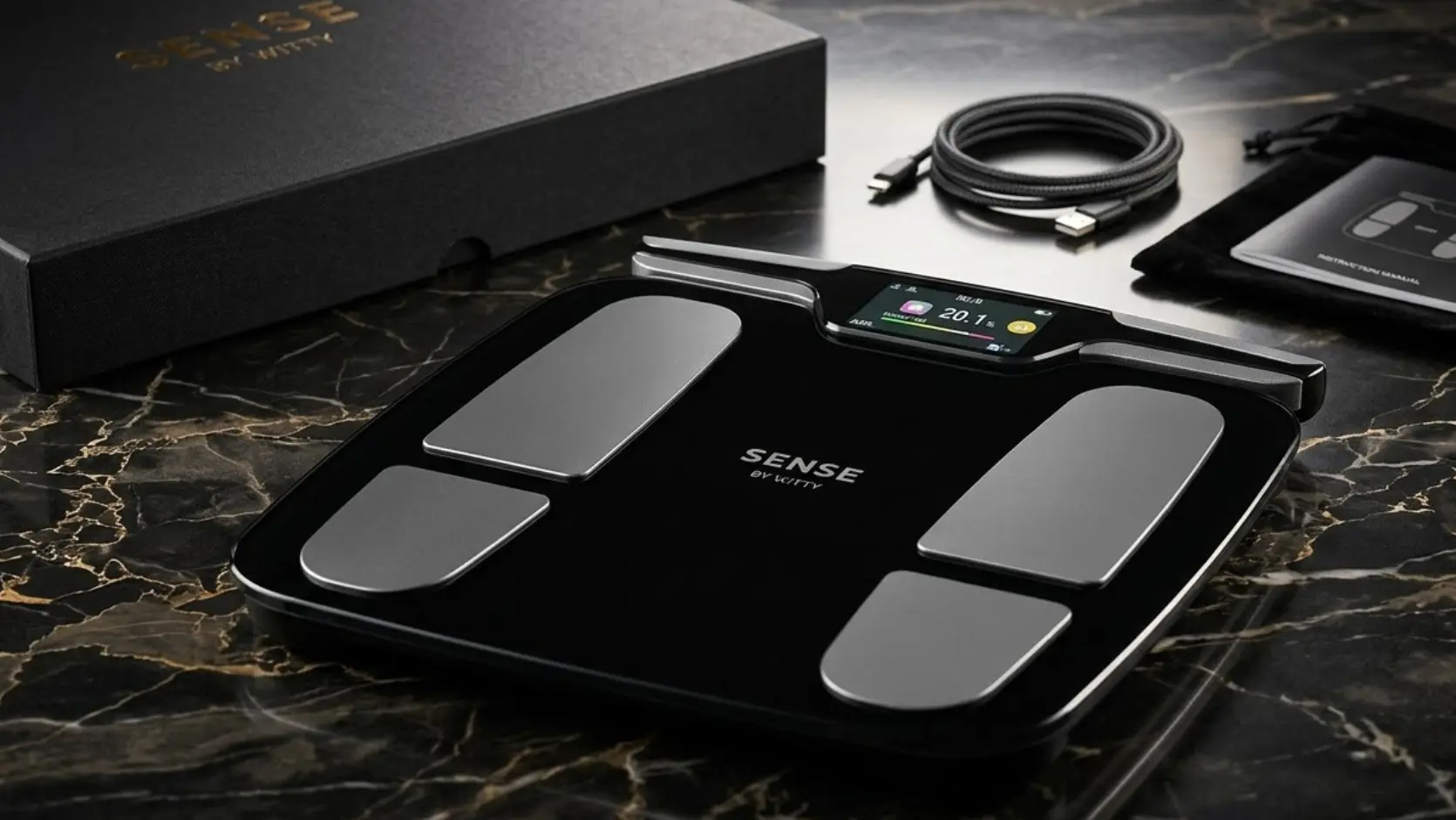
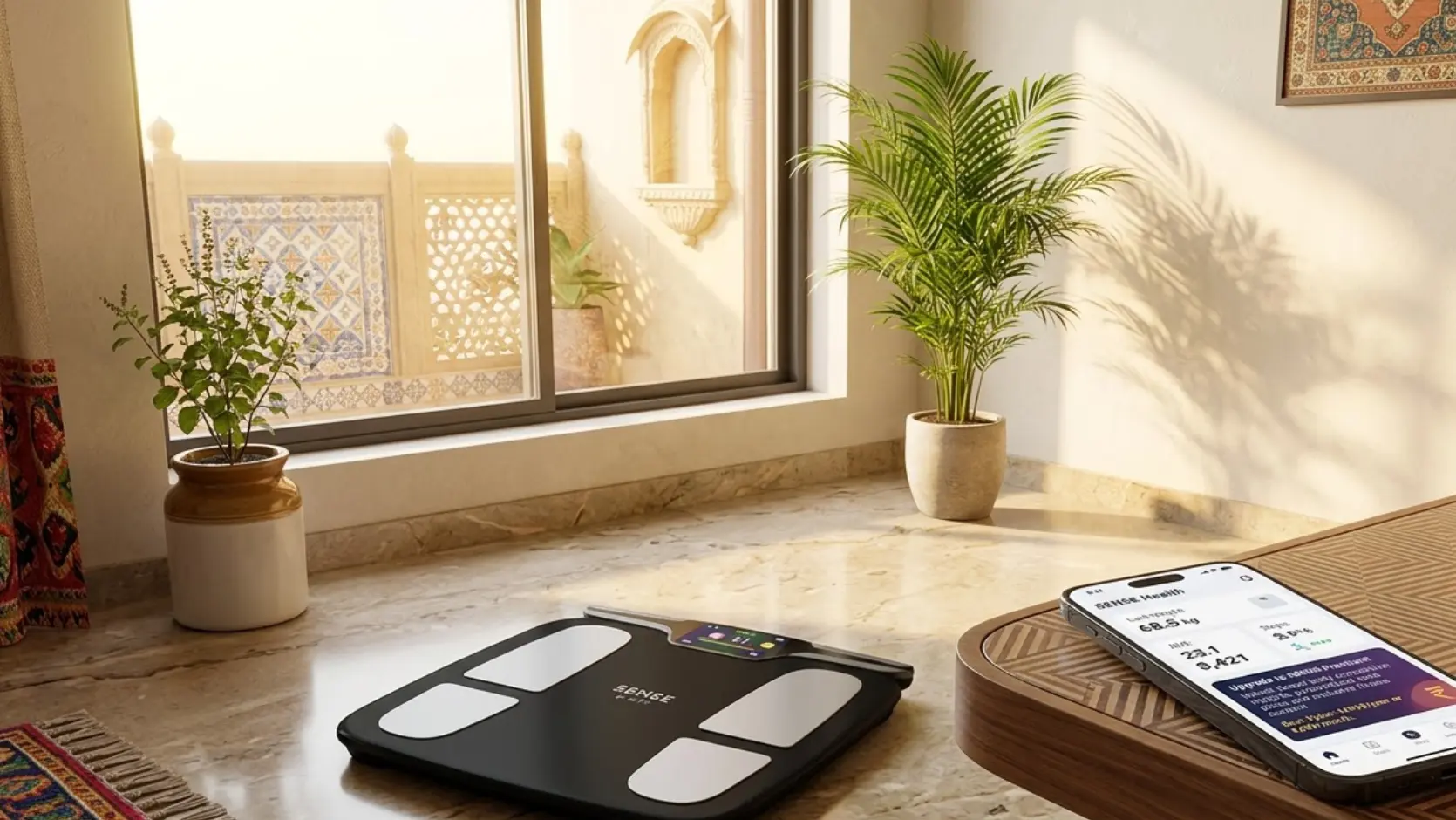
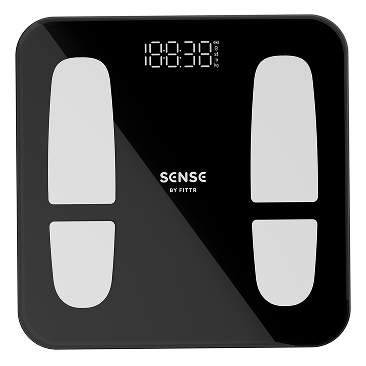
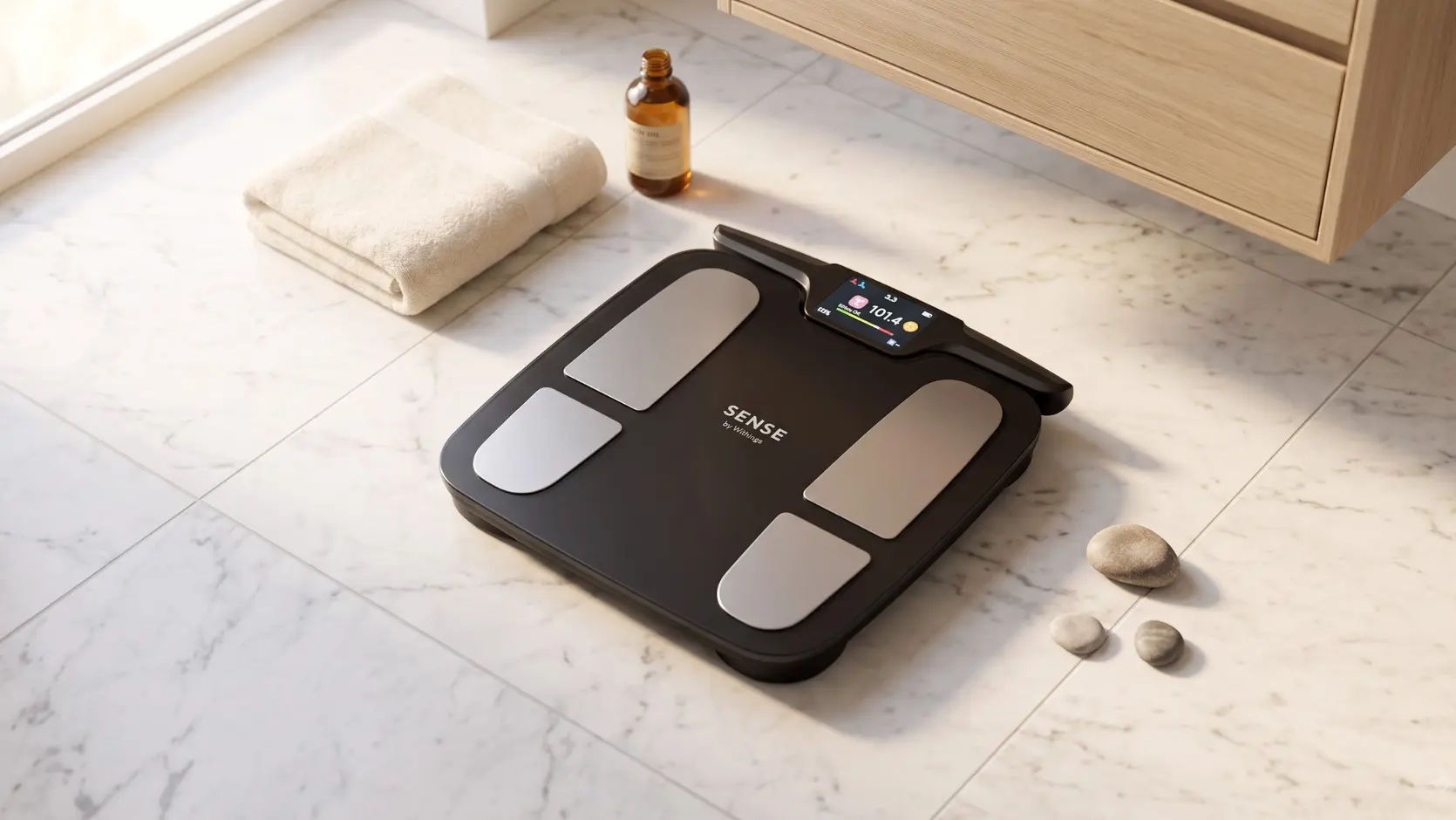
As an example of the smart category, the FITTR Sense smart scale measures your weight and estimates body composition, then syncs to the FITTR app so you can track fat, muscle and your weight trend over time rather than staring at a single number. For anyone serious about a fitness goal, that connected, body-composition view is exactly what turns a weight scale machine from a number-teller into a progress tracker.
Weight Scale Machines and Body Composition
The single biggest reason to choose a smart weight scale machine is body composition. Weight alone is a blunt instrument: you can lose fat and gain muscle while the number barely moves, which looks like failure but is actually a win. A machine that estimates body fat and muscle reveals what is really happening beneath the number. This is why fitness-focused buyers increasingly skip basic scales entirely. For the modest extra cost, a smart machine answers the questions weight cannot – whether your fat is dropping, whether your muscle is holding, and whether your plan is genuinely working over time.
Common Buying Mistakes
A few avoidable errors trip up buyers:
- Buying on price alone and ending up with a scale you do not trust.
- Overlooking weight capacity for heavier household members.
- Ignoring app quality, which is where a smart scale’s value lives.
- Expecting body composition from a basic or analog machine.
- Chasing a fancy interface over accurate sensors and a good app.
Caring for Your Weight Scale Machine
A weight scale machine needs little upkeep to stay reliable. Keep it on a hard, flat surface, wipe it clean of dust and moisture, replace batteries before they run low, and avoid dropping or overloading it. Store it flat rather than propped against a wall, which can stress the sensors. With this minimal care, a quality machine will give you accurate, consistent readings for many years. Looked after well, it is a one-time purchase that keeps informing your health long after you bought it.
Weight Scale Machines in India
For Indian buyers, all the main types are widely available, from cheap analog scales to advanced smart machines. The practical advice is to favour brands with local warranty and support, especially for smart models that may eventually need service. India-available options typically offer better pricing and easier servicing than imports.
The Bottom Line
In the end, the best weight scale machine is the one that matches your goal, is accurate and consistent, and that you will actually use. For simple weight checks, a budget scale is fine; for tracking your body toward a fitness goal, a smart body-composition machine is well worth its modest premium. Decide on your goal first, and the right machine follows naturally.
Frequently Asked Questions
What is a weight scale machine?
A weight scale machine is a device that measures body weight. Smart versions also estimate body composition like fat and muscle and sync to an app.
How do I choose a weight scale machine?
Decide whether you want weight only or body composition too, then compare accuracy, capacity, display, app features and price. Smart scales suit health goals best.
Are weight scale machines accurate?
Quality machines are accurate and, more importantly, consistent, which is what matters for tracking your weight trend over time.
What is the best weight scale machine for home?
For health goals, a smart body-composition scale that tracks trends in an app offers the most value for home use.
How much does a weight scale machine cost?
Prices range from inexpensive basic scales to pricier smart models, depending on features like body composition and app tracking.
Weight Scale Machines: A Buyer’s Overview
A weight scale machine, weight scale for humans, or scale machine is far more than a number under your feet – chosen well and used consistently, it becomes a window into your health. Decide whether you want weight alone or the fuller body-composition picture, weigh accurately at the same time each day, and follow the trend rather than the daily wobble. Pair it with Fittr’s 1RM calculator if you’re also tracking strength, and a smart option like the FITTR Sense turns every step on the scale into real, trackable progress.