






A manual weight machine and a digital scale both aim to tell you the same number, but they arrive at it through completely different mechanisms – one physical, one electronic. Understanding that difference explains why they behave so differently in daily use. This guide compares a manual weight machine, or analog weight machine, against digital alternatives on accuracy, durability, readability and long-term value, so you can decide which suits your household. By the end, you will understand exactly what changes when you choose a mechanical scale over a digital one.
How Each Type Works
How a Manual Weight Machine Works
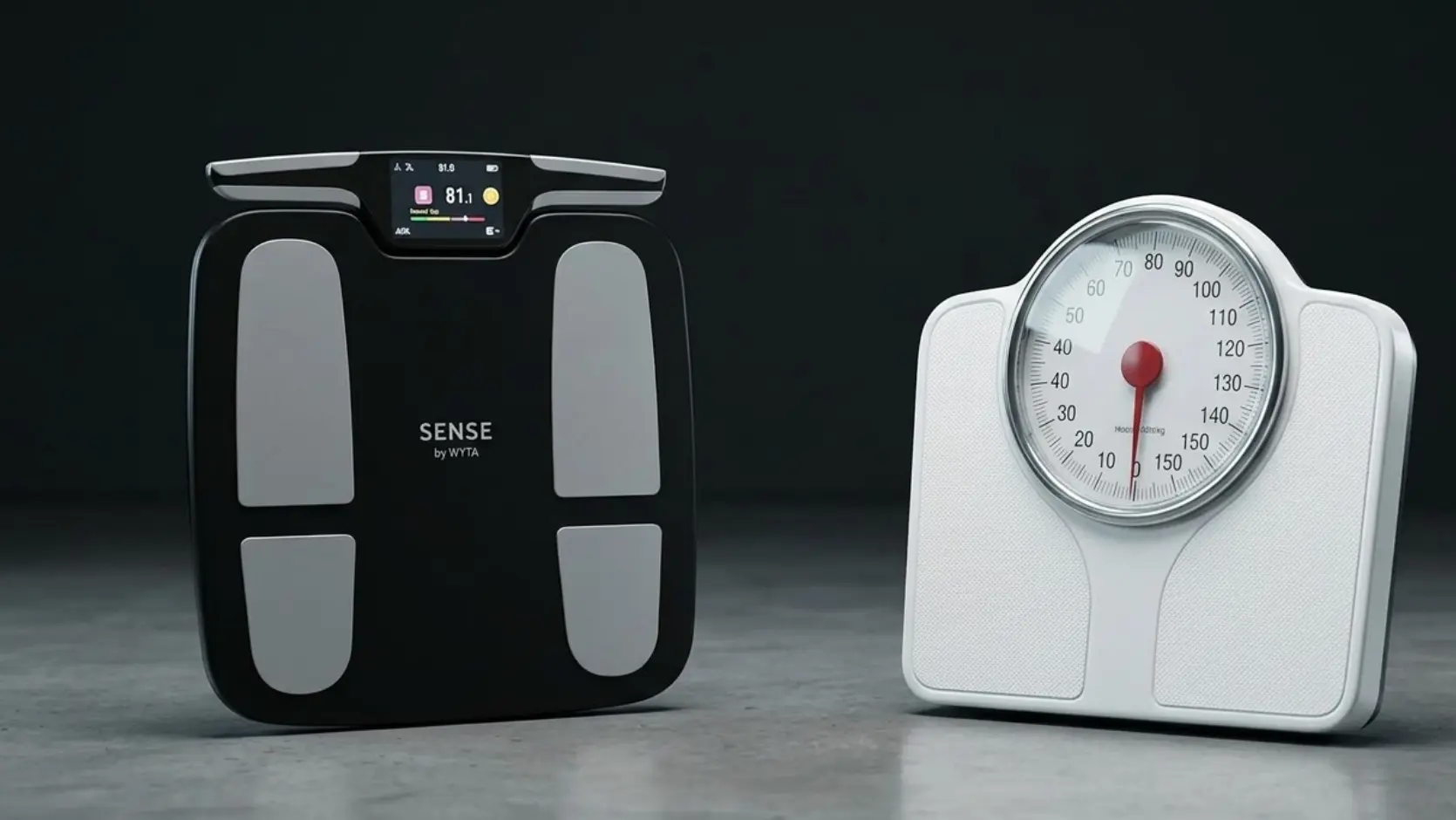
A manual weight machine, also called an analog weight machine, uses a physical spring or a balance beam mechanism to measure weight. As you step on, the spring compresses or the beam shifts, moving a needle across a printed dial to show your weight. This mechanical scale design has no batteries, no electronics, and no display screen – just a calibrated physical mechanism translating force directly into a visual reading, the same basic principle scales have been used for generations.
How a Digital Scale Works, for Comparison
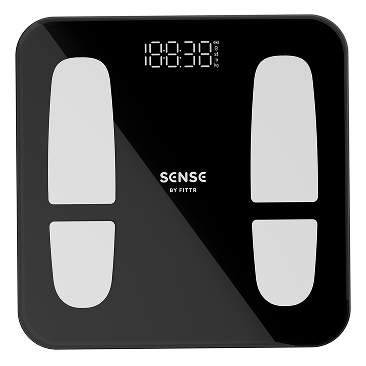
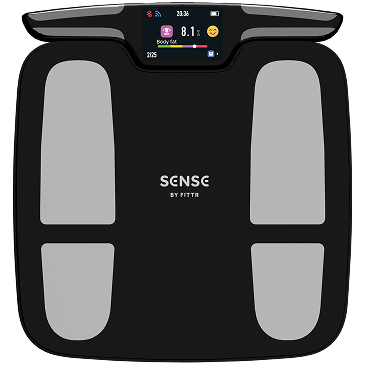
A digital scale instead uses electronic load sensors, or strain gauges, that flex under your weight and convert that flex into an electrical signal, which a small processor converts into a numeric display. There is no physical needle or spring involved. This fundamental difference in mechanism is the root of nearly every practical difference between an analog weight machine and a digital one, from accuracy to durability to ease of reading.
Accuracy: Mechanical Scale vs Digital
Digital scales generally offer better precision and consistency than a mechanical scale, because electronic sensors do not suffer the same wear-related drift that springs and beams experience over years of use. A digital reading is also easier to read precisely, without needing to interpret a needle position on a dial. A well-maintained manual weight machine can still be reasonably accurate, particularly higher-quality balance-beam designs, but it typically requires more frequent recalibration to stay that way compared to a digital alternative.
Durability and Maintenance Differences
A manual weight machine has an advantage in one specific area: it needs no battery and has fewer components that can fail electronically, which can make it more resilient in certain conditions. There is simply less that can go wrong in a purely mechanical scale. However, the spring or beam mechanism itself wears with use over years, gradually losing calibration accuracy – a form of wear a digital scale’s electronic sensors are less prone to, even though digital scales need occasional battery replacement.
Reading Precision: Dial vs Digital Display
One of the clearest practical differences is how easy each type is to read. A digital scale shows an exact number instantly and clearly, removing any ambiguity. An analog weight machine requires reading a needle position on a printed dial, which can be less precise, especially in dim lighting or with smaller print increments. For anyone tracking small changes over time, the exact numeric readout of a digital scale is a meaningful practical advantage over interpreting a dial on a mechanical scale.
Features: What Digital Scales Add
Digital scales open the door to features a manual weight machine simply cannot offer: body composition estimates, app connectivity, multi-user profiles, and automatic data logging. A mechanical scale, by design, only ever shows weight. If tracking more than weight alone matters to you, only a digital scale can meet that need.
Price Comparison: Manual vs Digital
Basic manual weight machines are sometimes available at a lower upfront cost than digital equivalents, since they lack electronic components. However, entry-level digital scales have become similarly affordable, narrowing this price gap considerably in recent years. Factoring in the calibration drift a mechanical scale experiences over time, and the added functionality a digital scale offers even at a similar price, digital often represents better overall value today.
Longevity: Which Lasts Longer?
A well-built manual weight machine, cared for properly, can technically last many years due to its simple mechanical design with fewer failure points. However, its accuracy tends to degrade gradually over that lifespan as the spring or beam mechanism wears. A digital scale’s electronic sensors generally hold calibration more consistently over their lifespan, though the scale as a whole may need battery replacement and is more likely to have a display or button eventually fail.
Who Should Still Consider a Manual Weight Machine?
A manual weight machine can still make sense in specific situations: environments where battery access is inconvenient, users who prefer a simple mechanical interface without any electronics, or as a reliable backup scale that never needs charging or battery replacement. For most everyday household use, though, the accuracy, readability and added functionality of a digital scale make it the more practical choice for tracking weight over time.
Common Myths About Analog and Digital Scales
A few misconceptions are worth addressing.
- A manual weight machine is not automatically more “honest” or accurate than digital; mechanical wear affects analog scales too.
- Digital scales are not fragile by default – quality models are built to withstand years of daily use.
- An analog weight machine does not need less maintenance overall; it needs different maintenance, primarily periodic recalibration.
- Battery dependency in digital scales is a minor inconvenience, not a major reliability issue.
- Price alone should not decide between manual and digital; features and long-term accuracy needs matter more.
Environmental Factors: Which Handles Them Better?
Humidity, temperature swings and general bathroom moisture affect a manual weight machine and a digital scale differently. A mechanical scale’s spring can be affected by temperature changes over time, subtly shifting calibration, while a digital scale’s electronic sensors are generally more stable across normal household temperature ranges. Wiping either type dry after use and avoiding direct exposure to standing water protects both an analog weight machine and a digital one equally well.
Making the Final Decision for Your Household
If your priority is simplicity, no battery dependency, and you are comfortable reading a dial, a manual weight machine remains a reasonable choice, particularly as a low-maintenance backup scale. If you want precise numeric readings, better long-term consistency, and the option to add body composition tracking later, a digital scale is the stronger all-round choice for most households.
A Brief History of the Manual Weight Machine
The manual weight machine has a long history, evolving from simple balance beams used in markets and clinics to the spring-based bathroom scales that became common household items through much of the twentieth century. This mechanical scale design remained the household standard for decades before digital electronics became affordable enough for consumer use.
Repair and Servicing Differences
A manual weight machine, being purely mechanical, is sometimes easier to understand and occasionally repair for anyone mechanically inclined. However, replacement parts for an older mechanical scale can be hard to find. A digital scale, by contrast, is rarely economical to repair at a component level for a typical consumer, since electronic sensor assemblies are usually not designed to be user-serviceable.
Environmental Impact Considerations
An often-overlooked difference between a manual weight machine and a digital scale is environmental impact over the product’s lifetime. A purely mechanical scale, with no batteries or electronic components, generates less electronic waste at end of life. A digital scale, while requiring periodic battery replacement and eventual electronic disposal, increasingly comes in rechargeable versions that reduce this impact considerably compared to older disposable-battery models.
Hybrid Approaches Some Households Use
Some households keep both a manual weight machine and a digital scale, using the mechanical scale as a simple, no-battery backup and the digital scale as the primary tool for detailed, trackable readings. If you do keep both, remember that they will rarely match exactly, since each has its own calibration – use whichever one you designate as primary consistently for tracking.
Final Thoughts on Manual vs Digital
Both a manual weight machine and a digital scale can serve you reliably if matched correctly to your needs and maintained with basic care. Whichever you choose, consistency in how and when you weigh yourself matters more than the mechanism behind the number itself.
Frequently Asked Questions
Is a manual weight machine as accurate as a digital scale?
Digital scales generally offer better long-term accuracy and consistency, since mechanical springs and beams in a manual scale tend to drift with wear over time.
What is the difference between an analog weight machine and a mechanical scale?
They refer to the same thing – a weighing scale using a physical spring or beam mechanism rather than electronic sensors.
Does a manual weight machine need a battery?
No, a manual or analog weight machine operates purely mechanically and does not require batteries, unlike digital scales.
Can a mechanical scale track body composition?
No, a manual weight machine only measures total weight; body composition tracking requires the electronic sensors found in digital scales.
Which lasts longer, a manual or digital scale?
Both can last for years with care, but a digital scale generally holds its calibration accuracy more consistently over its lifespan.
Smart Choices Build Stronger Results.
A manual weight machine, analog weight machine, or traditional mechanical scale trades features for simplicity, while a digital scale trades a little complexity for precision, easier reading, and room to grow into body composition tracking. Neither is wrong – match the mechanism to how you’ll actually use it. Whichever you choose, Fittr’s BMR calculator can help you build a plan around consistent weigh-ins.