





It seems almost implausible that a plain band on your finger can know when you are getting sick, how well you slept, or how ready you are to train. Yet a modern health ring does exactly that – quietly, continuously, and without a single wire. So how does it actually monitor your body? This guide opens up the health ring and explains, in plain language, how its sensors read your body and turn raw biology into meaningful health insights.
What Is a Health Ring?
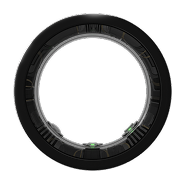
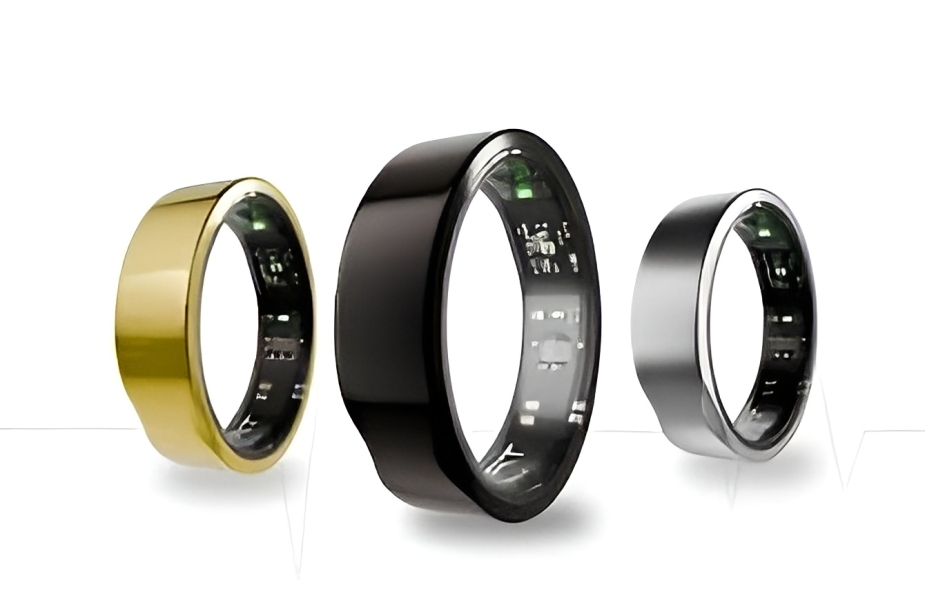
A health ring is a smart ring that monitors your body using a small set of sensors pressed against the skin of your finger. As you wear it through the day and night, it continuously captures signals from your body, stores them, and syncs them to an app that converts them into health scores and trends. The whole device is built around one idea: that your finger is a surprisingly rich place to read what your body is doing.
How a Health Ring Monitors Your Body
Three sensor technologies do almost all of the work, each reading a different aspect of your physiology.
Optical Sensors (PPG)
The most important sensors are optical. Tiny LEDs shine light into the blood vessels of your finger, and a detector measures how much light is reflected back as your blood pulses. This technique, called photoplethysmography or PPG, lets the ring read your heart rate beat by beat, calculate heart-rate variability from the timing between beats, and, using different wavelengths of light, estimate your blood-oxygen saturation. It is the same core principle behind the sensor on the back of a smartwatch, but at the finger the signal is often cleaner.
Motion Sensors (Accelerometer)
A small accelerometer detects movement in three dimensions. During the day this counts steps and recognises activity; at night it tracks how much you move, which is a key ingredient in estimating sleep and its stages. Stillness combined with a low, steady heart rate suggests deep sleep, while movement and a rising heart rate point to lighter stages – the motion sensor and the optical sensor working together.
Temperature Sensor (Thermistor)
A thermistor reads your skin temperature, most usefully overnight. Rather than a clinical reading, it tracks how far your temperature deviates from your personal baseline, which can hint at oncoming illness, under-recovery, or – for women – cycle phases.
From Signals to Insights
Raw sensor data on its own means little; the intelligence is in the interpretation. The ring’s chip does some initial processing, then syncs to the app, where algorithms combine the signals – heart rate, HRV, movement, and temperature – into the readable outputs you see: a sleep score, a recovery or readiness score, stress levels, and long-term trends. Over time, the app learns your personal baseline, so the insights become specific to you rather than generic thresholds.
Why the Finger Is a Good Place to Read Your Body
There is a real reason rings have taken off. The finger has dense, accessible blood vessels close to the surface, which gives the optical sensor a strong, clean signal – frequently stronger than the wrist, where readings can be disturbed by movement and stray light. At night, when your hand is relatively still, that signal is steadier still. The finger turns out to be one of the best spots on the body for capturing reliable heart-rate, oxygen and temperature data.
24/7 Monitoring and Baselines
The power of a health ring comes from continuity. Because you wear it around the clock, it does not just take snapshots – it builds a continuous record and learns what is normal for you. That personal baseline is what makes its alerts meaningful: a rise in temperature or a drop in HRV matters precisely because the ring knows your usual. Single readings come and go; the baseline is where the insight lives.
What a Health Ring Monitors
Pulled together, the sensors let a health ring monitor heart rate, resting heart rate, HRV, blood oxygen, skin temperature, sleep and sleep stages, stress, recovery and activity. For a broader look at leading models covering all of this, see our best smart rings of 2026 roundup.
Health Ring vs Smartwatch
Both use similar sensing, but the finger and the wrist suit different jobs. A health ring excels at continuous, comfortable monitoring and clean overnight data, with multi-day battery and no screen to distract you. A smartwatch adds a display, notifications, GPS, and live workout tracking, at the cost of comfort and battery. For pure body monitoring, especially through the night, the ring’s form factor has real advantages.
Limitations to Keep in Mind
A health ring is powerful but not limitless. It reads skin temperature, not core temperature; it estimates sleep stages rather than measuring them in a lab; and it tracks how your body is functioning, not its composition, so it cannot tell you your body fat. Most importantly, it is a wellness tool, not a medical device – read its trends as guidance, and take any genuine health concern to a doctor.
Example: The FITTR HART
As a concrete example, the FITTR HART uses exactly this sensor approach – optical sensors sampling HRV at 200Hz, a motion processor for activity and sleep, and a skin-temperature sensor – to monitor your body continuously and turn it into clear insights, all on about 8 days of battery and with no subscription.
Respiratory Rate and Other Derived Signals
Beyond the three core sensors, a health ring derives extra signals from the same data. Subtle variations in the optical signal let many rings estimate your respiratory rate – your breaths per minute during sleep – which adds another layer of recovery and wellness context. This is a good example of how clever software extracts more meaning from the same raw inputs, without needing extra hardware on the ring.
How a Ring Estimates Sleep in Detail
Sleep is where the sensors truly work in concert. The accelerometer notes how still you are, the optical sensor tracks your heart rate and HRV, and the temperature sensor follows your overnight curve. The algorithm fuses these: deep sleep shows up as stillness with a low, steady heart rate; REM as a rise in heart rate and HRV with limited movement; light sleep as the transitions between. The result is an estimated hypnogram of your night, built entirely from your finger.
What Your Body Reveals Overnight
Night is when a health ring does its most valuable work. With your hand relatively still and outside influences minimal, the ring captures its cleanest data – resting heart rate, overnight HRV, temperature, and oxygen – which together reveal how well you are recovering. This is why wearing the ring to bed matters so much: the overnight window is the richest source of insight your body offers, and a comfortable ring is one of the few devices you will actually keep on to capture it.
How Accurate Are the Sensors?
The honest picture is that accuracy depends on the metric. Heart rate, resting heart rate, and sleep duration are reliable; HRV is strong when the ring fits well; oxygen and temperature are best read as trends rather than clinical values; and sleep stages are good estimates rather than lab-grade measurements. Good rings are validated against reference methods to improve this, but the universal rule holds – trust the trend over time more than any single reading.
Caring for the Sensors
Since the sensors sit against your skin, a little care keeps them accurate. Wipe the inside of the ring occasionally to remove sweat and residue, keep the fit snug so the sensors maintain contact, and charge the ring before it dies completely. These small habits ensure the optical and temperature sensors keep getting the clean signal they need to monitor your body reliably.
Why the Ring Form Factor Suits Monitoring
Stepping back, the ring is almost ideally shaped for continuous health monitoring. It is small and comfortable enough to wear every hour of every day; it sits on a finger where the blood-flow signal is strong, and it lasts long enough between charges that it is rarely off your body. Those three traits – comfort, signal quality and battery – are exactly what continuous monitoring needs, which is why the ring has become such a natural home for health sensors.
Turning Monitoring Into Action
Monitoring is only useful if it changes something. The point of a health ring is not to admire the data but to act on it: resting when recovery is low, addressing stress when it climbs, protecting sleep when the trend slips, and pausing to rest when temperature and HRV hint at illness. The ring supplies the signal; the value comes from the small, consistent decisions you make in response.
The Future of Health Rings
Health rings are still early in their evolution, and the trajectory is exciting. Sensors are getting more capable, software is getting smarter at interpretation, and new signals are being teased from the same hardware through better algorithms. The finger-worn band of a few years from now will likely monitor more and understand it better – quietly becoming one of the most insightful health devices you can wear. For now, though, even today’s health rings already deliver something remarkable: a continuous, intelligent read on your body from a band you barely notice wearing.
A Window You Barely Notice
What makes the health ring quietly remarkable is the contrast between how little you notice it and how much it understands. A few grams on your finger, easy to forget, somehow build a continuous, intelligent picture of your heart, your sleep, your recovery and your overall health. It asks almost nothing of you beyond wearing it, and in return it offers a depth of self-knowledge that would once have required a clinic. That combination of effortlessness and insight is the whole point of the form factor.
Frequently Asked Questions
What is a health ring?
A health ring is a smart ring that monitors your body using sensors on the finger, tracking signals like heart rate, HRV, blood oxygen, temperature and sleep, and turning them into health insights via an app.
How does a health ring monitor my body?
Optical sensors read blood flow for heart rate, HRV and oxygen; a motion sensor tracks movement and sleep; and a temperature sensor reads skin temperature. Software converts these into scores and trends.
Why does a ring read your body from the finger?
The finger has strong, accessible blood flow and stays relatively still at night, which makes it a reliable place to capture clean heart-rate, oxygen, and temperature signals.
Does a health ring work all day and night?
Yes. It monitors continuously, which lets it learn your personal baseline and flag meaningful changes, including overnight when the most valuable recovery data is collected.
Is a health ring accurate?
For resting metrics and trends, it is reliable; detailed sleep stages are estimates. As with any wearable, the trend over time matters more than any single reading.
Wear Better Insights, Live Better Every Day.
A health ring, the health ring, or ring health device is a small marvel: three modest sensors on your finger, read continuously and interpreted intelligently, add up to a genuine window into your body. It is not a medical device, and it works best when you respect its limits and read trends over time – but as an effortless, always-on way to understand your health, few wearables come close. A capable example like the FITTR HART shows just how much a single band can quietly reveal.