



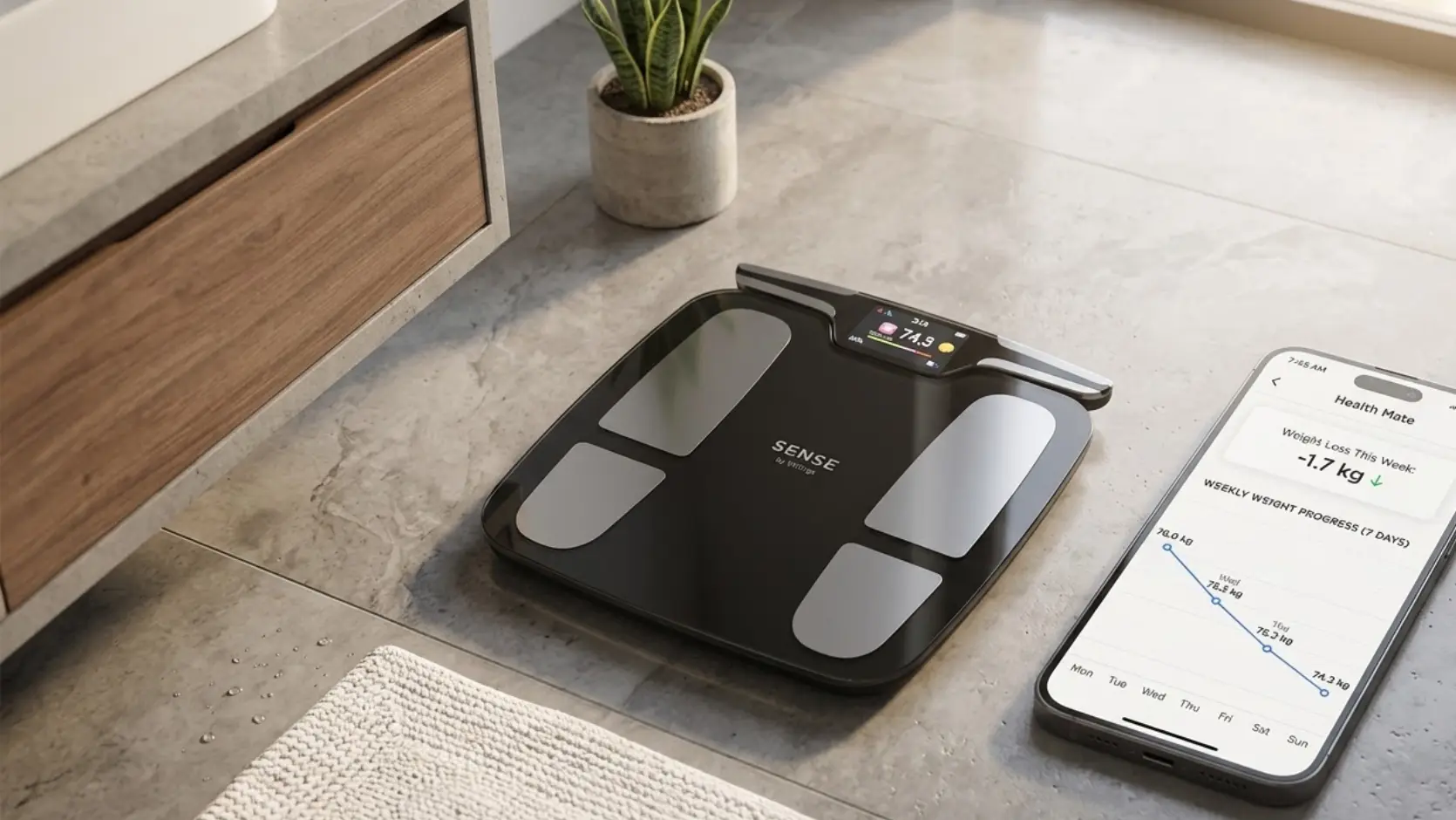
Why a One-Off Weigh-In Tells You Almost Nothing
A single number on a scale is a snapshot; it is monitor scales, used consistently over weeks, that turn that snapshot into a story. The real value of any weight monitor is not the reading itself but the trend it reveals over time. This guide explains what makes a scale genuinely good for monitoring, how a health scale differs from a basic one-off weighing scale, and how to actually use one to track meaningful change rather than daily noise. By the end, you will know how to turn regular weigh-ins into a tool you can trust, instead of a source of daily anxiety.
What Makes a Scale a “Monitor” Scale?
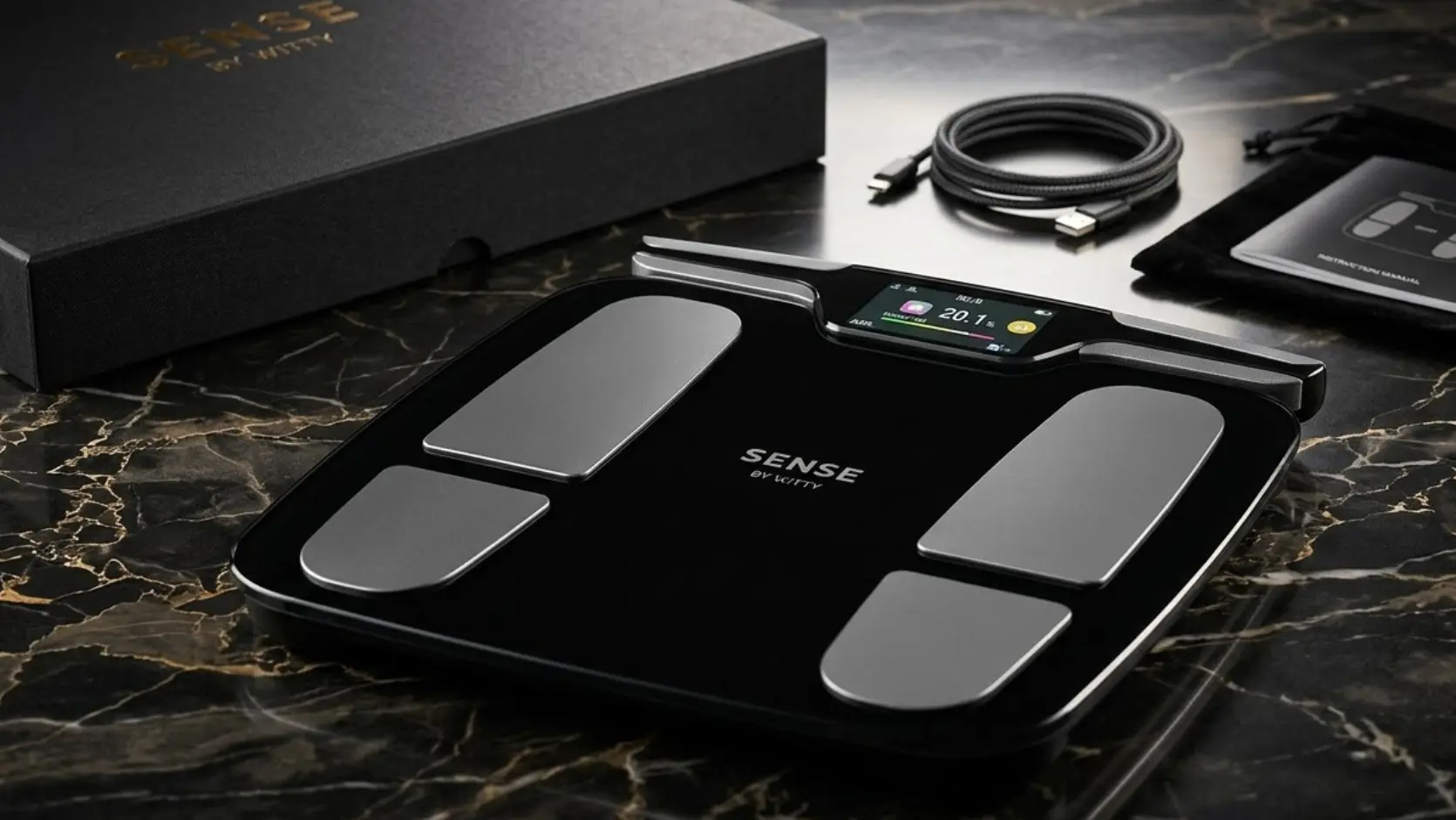
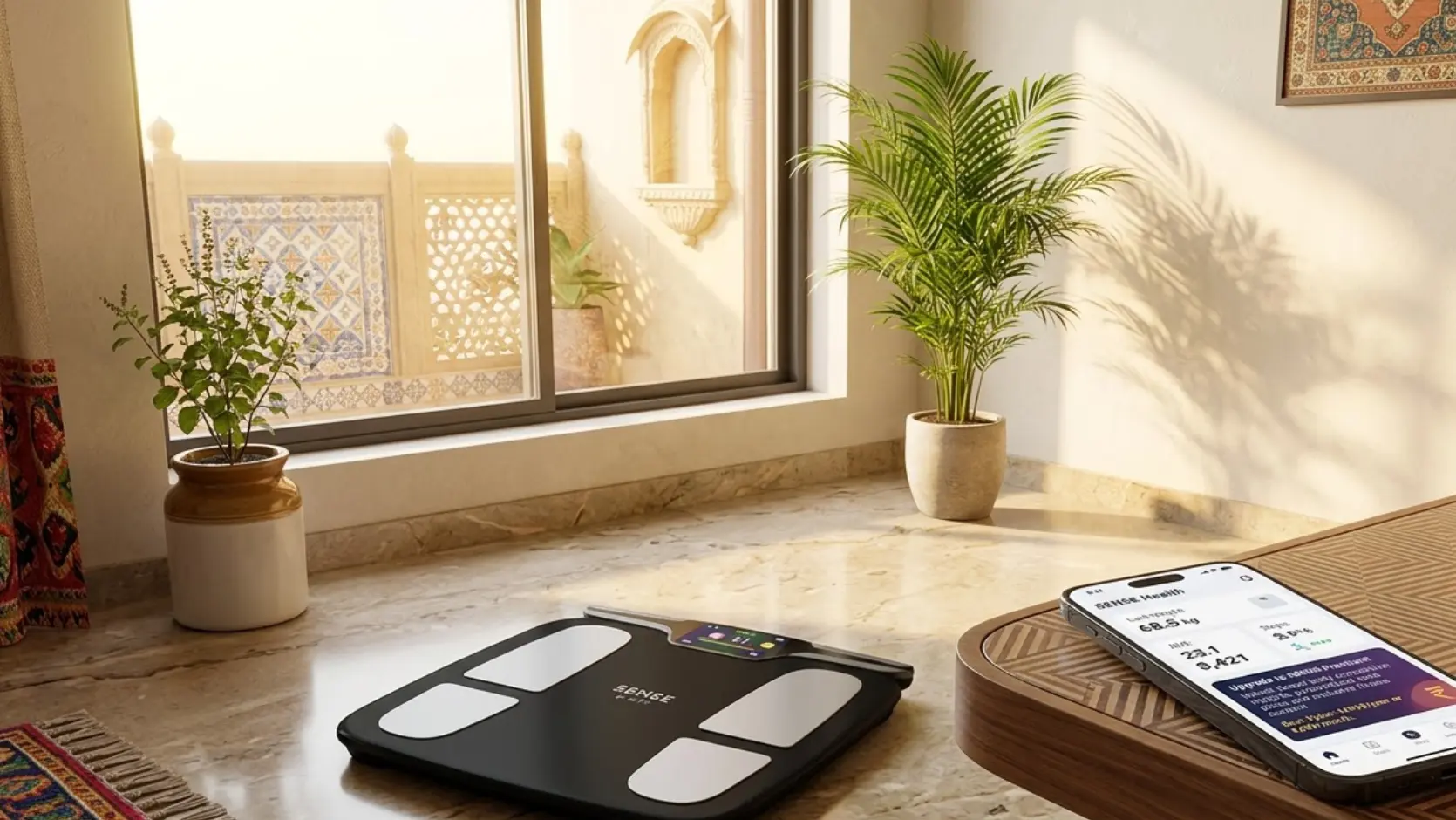
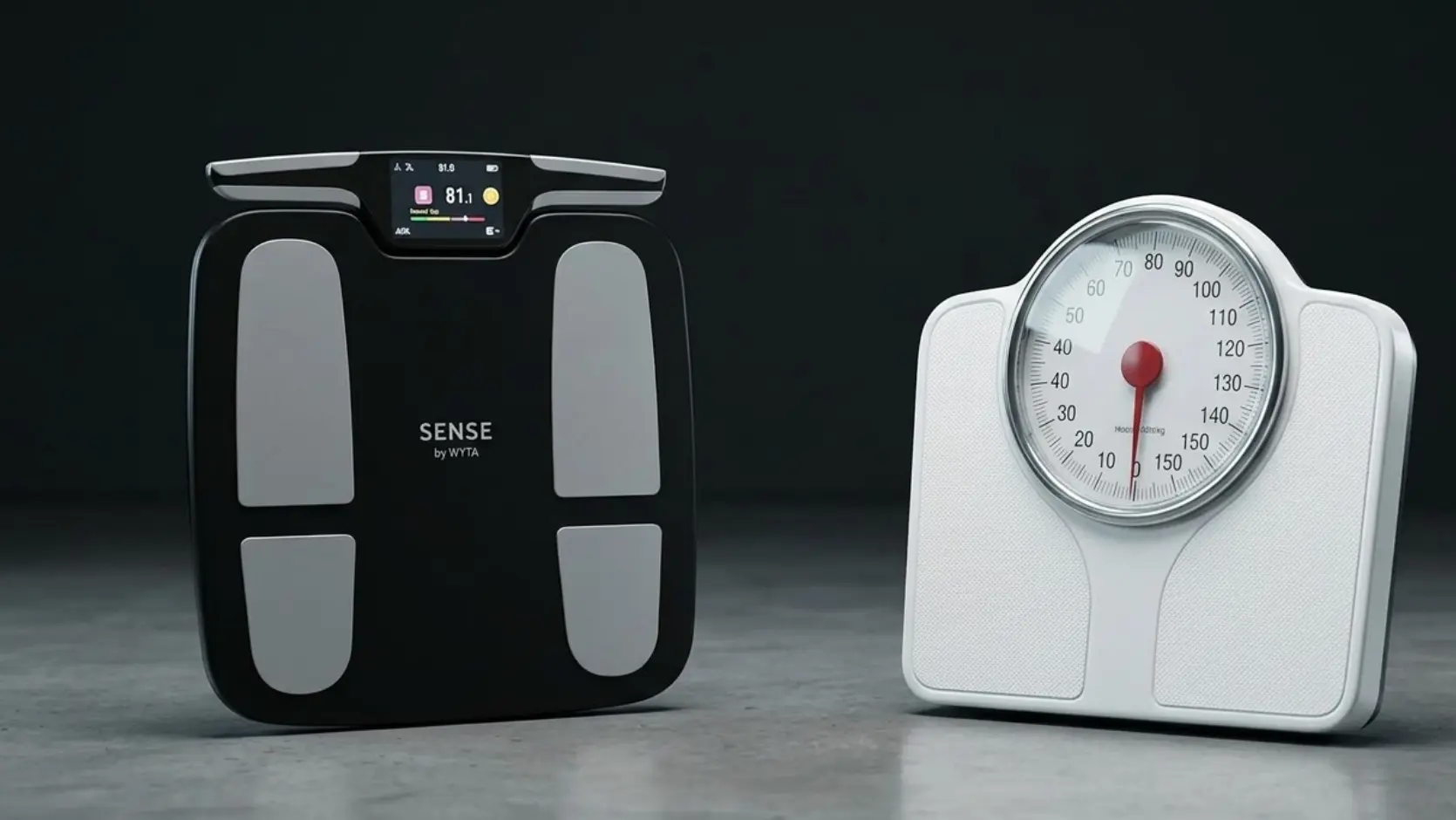
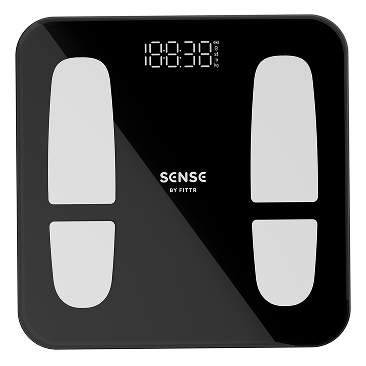
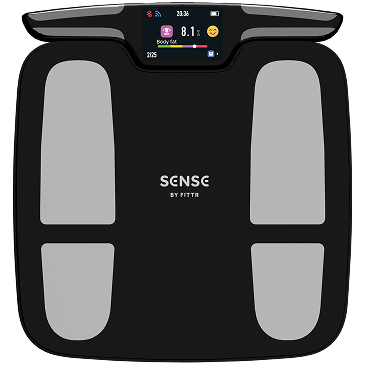
Monitor scales are built around ongoing tracking rather than a single reading – typically through app connectivity, onboard memory, or multi-metric readings like body composition that give a fuller picture over time. The defining feature is data you can look back on, not just a number you see once. A basic scale can technically be used for monitoring if you write down the numbers yourself, but a purpose-built weight monitor removes that friction, automatically logging every reading into a trend you can actually review.
The Case for Tracking Trends, Not Daily Numbers
Body weight naturally fluctuates by a kilogram or more day to day due to hydration, food intake, sodium, and hormonal cycles. Judging progress from any single reading on your monitor scales is almost guaranteed to mislead you. The fix is simple: look at the seven-day or fourteen-day rolling average instead of any one day’s number. This is precisely what a good weight monitor app does automatically, smoothing out the noise so the underlying trend becomes clear.
What a Health Scale Typically Measures
Beyond weight, a modern health scale often estimates body fat percentage, muscle mass, water percentage, and sometimes bone mass and visceral fat rating, using bioelectrical impedance sensors in the platform. Together, these give a rounder picture of health than weight alone. Some health scale models also estimate BMI and basal metabolic rate automatically from your profile data, saving you the step of calculating them separately. The best health scale for your needs simply depends on which of these numbers you will actually use.
Setting Up Your Monitor Scale for Reliable Tracking
Consistency is everything when it comes to monitor scales. Weigh at the same time of day, ideally first thing in the morning before eating or drinking, on the same hard, flat surface each time, and in similar clothing. If your weight monitor supports multiple users, make sure each person is logged under their own profile – a shared, unlabelled history makes trend tracking meaningless for everyone using the scale.
Reading Your Trend Line
Most health scale apps display a simple line chart of your weight (and body composition, if tracked) over days, weeks and months. Look at the overall slope of that line rather than the individual dots – a gentle downward or upward trend over two to three weeks is meaningful; a single day’s jump usually is not. If your trend has been flat for several weeks despite consistent effort, that is useful information too – it may be time to reassess your calorie intake, training, or recovery rather than doubting the scale itself.
How Often Should You Weigh In?
Daily weigh-ins, tracked as a rolling average through your monitor scales’ app, tend to give the clearest picture for anyone in an active fat-loss or muscle-gain phase, since more data points make the trend line more reliable. Weekly weigh-ins work too, provided you keep the day and conditions consistent. What matters far more than frequency is consistency in how you weigh – the same time, same conditions, logged every time you do it – which any decent weight monitor will guide you through with reminders or a simple daily prompt.
Monitor Scales for Specific Health Goals
Different goals benefit from different metrics on a health scale.
Fat Loss
Fat loss is best tracked through the combination of weight and body fat percentage trends together, since weight alone cannot confirm fat is actually what is being lost.
Muscle-Building
Muscle-building phases benefit from watching muscle mass and weight together, ideally alongside strength progress in training.
General Health Monitoring
General health monitoring, without a specific body composition goal, can rely on weight trend and BMI alone from a simpler weight monitor.
Common Pitfalls When Monitoring Weight
A few habits undermine otherwise good monitor scales. Weighing at inconsistent times of day introduces variability that has nothing to do with real progress. Reacting emotionally to single-day fluctuations, rather than the trend, leads to unnecessary discouragement or false confidence. Ignoring the app’s own averaging or trend features, and instead eyeballing raw daily numbers, is another common mistake that undermines the entire purpose of investing in a proper weight monitor in the first place.
Choosing the Right Monitor Scale for You
If you mainly want a simple weight monitor with no fuss, a scale with clear onboard memory or a straightforward companion app is enough. If body composition matters to your goals, prioritise a health scale with reliable bioelectrical impedance sensors and a well-reviewed app. For households, multi-user recognition is essential; for individuals who travel or move rooms often, a lightweight, portable design matters more. Matching the scale to how you will actually use it beats chasing the longest feature list.
Common Myths About Monitor Scales
A few misconceptions are worth addressing directly.
- Daily weight swings do not mean your monitor scale is inaccurate; they reflect normal biological fluctuation, not measurement error.
- A weight monitor is not just for weight loss – it is equally useful for tracking muscle gain, maintenance, or general health.
- More expensive health scales are not automatically more accurate; app quality and consistent use matter just as much.
- You do not need to weigh in daily to benefit from monitor scales, provided you are consistent with whatever frequency you choose.
- A flat trend line is data, not failure – it is useful information that should prompt a review of your approach, not self-criticism.
The Bottom Line
Monitor scales earn their name by turning single weigh-ins into a meaningful trend, and that trend – not any individual reading – is what actually reflects your progress. A good health scale or weight monitor removes the guesswork by tracking, averaging and charting for you. Weigh consistently, trust the trend over the daily number, and choose a monitor scale that tracks the specific metrics that matter for your goal. That combination turns a simple daily habit into a genuinely useful health tool.
Using Monitor Scales Alongside Other Health Metrics
Weight and body composition are useful, but monitor scales work best as part of a broader picture rather than the only metric you track. Pairing your weight monitor data with measurements like waist circumference, progress photos, or strength gains in training gives a fuller, more motivating view of progress than the scale alone. This matters especially during phases where the scale trend plateaus despite real progress happening elsewhere – body recomposition, where fat drops and muscle rises simultaneously, can show a nearly flat weight trend on your health scale while your body genuinely changes shape and performance improves. Treating your monitor scales as one input among several, rather than the single verdict on whether your efforts are working, leads to a more accurate and less discouraging picture of your health journey overall.
Choosing Between Daily and Weekly Monitoring
There is a genuine trade-off between daily and weekly use of monitor scales, and the right choice depends on your personality as much as your goals.
Daily Weigh-Ins
Daily weigh-ins, averaged automatically by a good weight monitor app, give the most statistically reliable trend line but require comfort with seeing normal day-to-day fluctuation without reacting to it.
Weekly Weigh-Ins
Weekly weigh-ins on a consistent day and time reduce the noise you have to personally filter out, which suits anyone who finds daily numbers distracting or discouraging, provided the weekly weigh-in itself stays disciplined and consistent.
Either approach works well with a proper health scale – the wrong approach is inconsistent timing, not the frequency itself.
Avoiding Obsessive Tracking While Still Monitoring Consistently
There is a genuine balance to strike between tracking consistently and letting monitor scales take over your relationship with your body. If checking your weight monitor is starting to cause daily anxiety rather than useful information, it is worth stepping back and reassessing your tracking frequency or approach. A well-designed health scale and app should support a calm, data-informed view of your progress, not fuel constant checking or distress around a fluctuating number. If you notice that daily readings are affecting your mood significantly, switching to weekly weigh-ins, or focusing more on non-scale progress markers like energy levels and strength gains, is a perfectly valid way to keep tracking useful rather than stressful.
Monitor Scales as Part of a Bigger Toolkit
The most effective use of monitor scales treats them as one instrument in a broader toolkit rather than the sole measure of progress. Combining your health scale trend with periodic photos, measurements, and how your clothes fit gives a rounder, more resilient picture that does not collapse if the scale trend briefly stalls. This combined approach also protects motivation during genuinely normal plateaus, since seeing progress reflected in other markers – even while the weight monitor trend flattens temporarily – keeps the bigger picture in view rather than fixating on one number in isolation.
Monitor Scales During Different Phases of a Fitness Journey
The way you use monitor scales can reasonably shift across different phases of a structured fitness journey. During an active fat-loss or muscle-gain phase, more frequent tracking – often daily, averaged weekly – through a dedicated weight monitor gives the tight feedback loop needed to adjust calories or training promptly if the trend stalls. During a maintenance phase, once a goal has been reached, less frequent monitoring – perhaps twice weekly – through your health scale is often sufficient to catch any meaningful drift before it becomes significant, without the need for the intensive daily tracking that a more active phase benefits from. Recognising which phase you are in, and adjusting your monitor scales usage accordingly, keeps tracking proportionate to your actual current goal rather than defaulting to the same intensity indefinitely.
Setting Realistic Goals With Your Monitor Scale
A weight monitor is most useful when paired with a realistic, specific goal rather than a vague intention to “track weight.” Defining a target rate of change – a modest weekly or monthly goal appropriate to your starting point – gives your monitor scales data a clear benchmark to compare against, rather than judging every reading against an arbitrary ideal number. Reviewing your health scale trend against this goal every few weeks, rather than daily, keeps the process focused on genuine progress rather than short-term noise, and makes it far easier to notice early if your current approach needs adjusting well before frustration sets in.
Frequently Asked Questions
What are monitor scales?
Monitor scales are weighing scales built for ongoing tracking, typically through app connectivity or onboard memory, so you can review trends over time rather than a single reading.
How often should I use a weight monitor?
Daily or weekly both work well, as long as you are consistent with timing and conditions; what matters most is regularity, not frequency.
What does a health scale typically measure?
Beyond weight, a health scale often estimates body fat percentage, muscle mass, water percentage, and sometimes BMI and visceral fat.
Why does my weight fluctuate daily on my monitor scale?
Daily fluctuations are normal and driven by hydration, food intake and hormones, not measurement error – focus on the trend rather than single readings.
Do I need a smart scale to monitor my weight effectively?
No, but a smart weight monitor with app tracking makes it far easier to see trends automatically instead of logging numbers manually.
Track Trends, Not Just Numbers.
Monitor scales, a weight monitor, or a wellness scale – by any name, the value comes from turning single weigh-ins into a genuine, trackable trend rather than a source of daily worry. Consistency in how and when you weigh matters more than which specific tracking scale you choose. To put your tracking data to work, Fittr’s BMR calculator and diet plan signup can help translate your weight monitor trends into a structured nutrition approach.