




It feels almost like magic: a slim band on your finger that knows your heart rate, beat by beat, all day and night. No chest strap, no wires, nothing pressed to your skin in an obvious way. So how does a smart ring actually read your pulse? This guide explains the technology behind heart-rate tracking in a ring, why the finger is such a good place to do it, how accurate it is, and what your pulse data can tell you.
What Does It Mean to Read Your Pulse?
Your pulse is the rhythmic expansion of your arteries each time your heart beats. Reading it means detecting those beats and counting them over time to give your heart rate, usually in beats per minute. A ring does this continuously and silently, turning a signal doctors once took with two fingers on your wrist into a stream of data on your phone.
How a Ring Reads Your Pulse
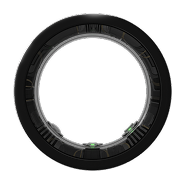
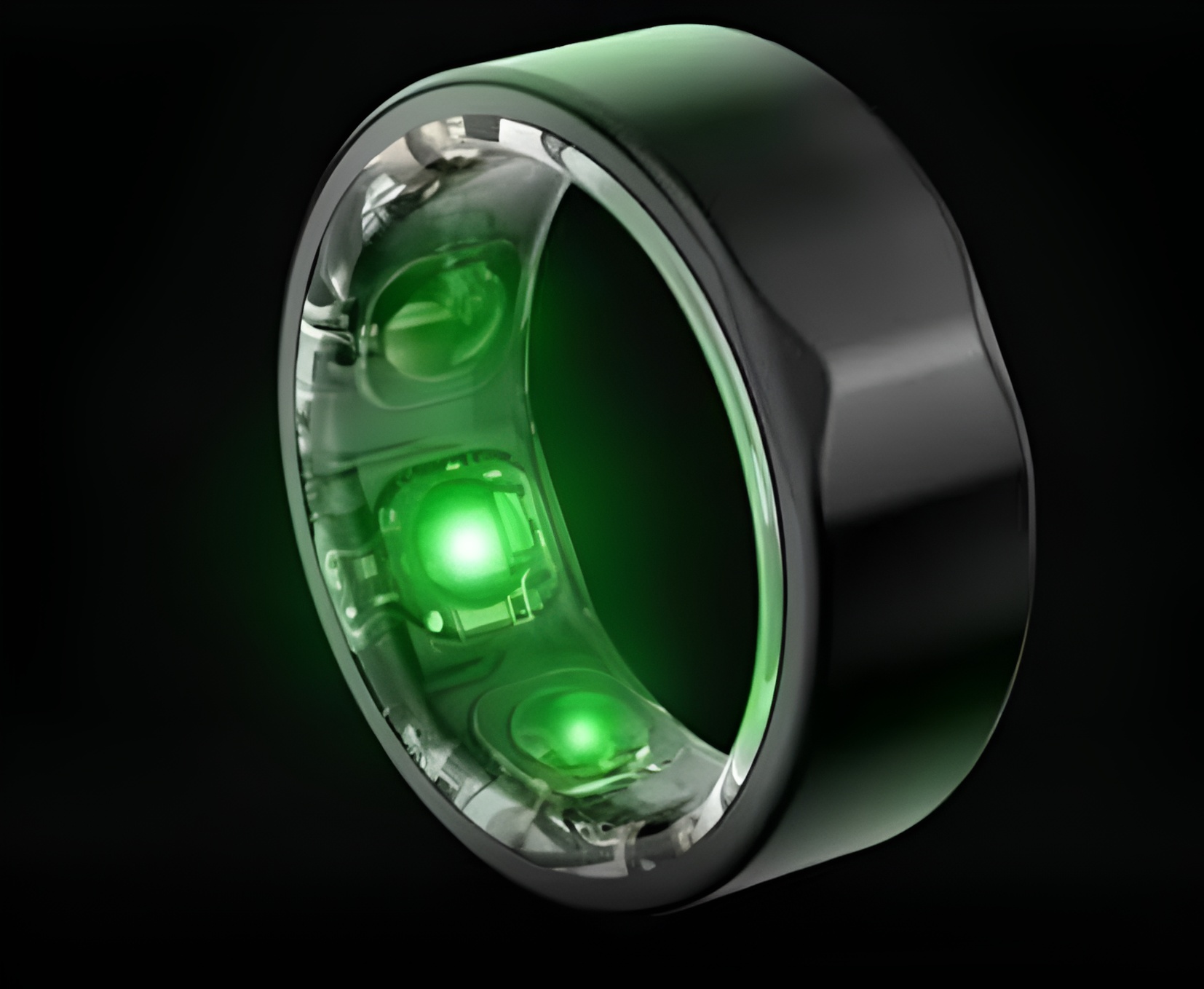
The core technology is called photoplethysmography, or PPG. Tiny LEDs on the inside of the ring shine light into the blood vessels of your finger, and a small photodetector measures how much light bounces back. As your heart beats, the volume of blood in those vessels rises and falls, changing the reflected light in a repeating pattern. The ring reads that pattern and converts it into your pulse – the same principle used by the sensor on the back of a smartwatch.
Why the Finger Is Ideal
There is a reason rings have become so popular for heart tracking. The finger has dense, accessible blood vessels close to the surface, which gives the optical sensor a strong, clean signal – often stronger and more stable than the wrist, where readings can be disturbed by movement and stray light. At night, when your hand is relatively still, the signal is steadier still, making the finger one of the best spots on the body for reliable pulse data.
From Pulse to Heart Rate
Once the ring detects the repeating pulse pattern, software measures the time between beats and converts it into your heart rate. It does this around the clock, building a continuous record rather than the occasional snapshot a manual check provides. That continuity is what lets a ring show how your heart rate changes through the day, during exercise and across the night.
Resting Heart Rate and What It Reveals
One of the most valuable readings a ring captures is your resting heart rate, usually measured overnight when you are most still. It is a simple but powerful marker: as your fitness improves, it tends to fall, while a sudden rise can hint at fatigue, stress, or oncoming illness. Tracked over time by a ring, it becomes a quiet barometer of your overall condition.
Heart-Rate Variability (HRV)
From the same pulse signal, a ring also calculates heart-rate variability – the tiny variation in time between consecutive beats. HRV is one of the best windows into your recovery and nervous-system balance, with higher values generally signalling a well-recovered body.
How Accurate Is Pulse Reading on a Ring?
For resting and overnight heart rate, a good ring is reliable and often more stable than a wrist device. HRV is also strong when the ring fits snugly. The accuracy holds up because the finger gives such a clean signal. As with any wearable, the honest guidance is to read trends over time rather than fixating on a single beat-by-beat number, since hydration, movement, and timing all nudge individual readings.
Ring vs Chest Strap vs Watch
Chest Strap
A chest strap measures the heart’s electrical signal directly and remains the gold standard for live workout heart rate.
Watch
A watch reads pulse at the wrist, convenient but prone to movement error.
Ring
A ring reads at the finger, excelling at resting heart rate, HRV and overnight data thanks to its clean, stable signal. For everyday and recovery tracking, the ring is hard to beat.
Pulse Tracking During Exercise
Here is the honest limitation. During grip-heavy exercise – lifting weights, holding bars or handles – pressure on the finger can disturb the optical signal, making live heart rate less reliable than a chest strap. A ring is superb for the recovery side of training, but for precise real-time heart rate in the gym, a strap is better.
What Your Pulse Data Tells You
Pulled together, your pulse data is a remarkably rich health signal. Resting heart rate reflects fitness and strain; HRV reveals recovery and stress; and your heart-rate response to activity and sleep adds context to both. Read over weeks, these numbers help you train smarter, rest when needed, and catch early signs that your body is under load – all from reading your pulse at the finger.
Example: The FITTR HART
As a concrete example, the FITTR HART reads your pulse with optical sensors and samples HRV at a high 200Hz, using it to power resting heart rate, recovery and stress insights – a clean, continuous read on your heart from a single comfortable band. For a wider comparison of leading rings on exactly this metric, see our best smart rings of 2026 roundup.
What Is a Normal Pulse?
A common question is what counts as a healthy pulse. For most adults, a resting heart rate roughly between 60 and 100 beats per minute is considered normal, and fitter people often sit at the lower end, with well-trained athletes lower still. But the truly useful figure is your own baseline: a ring learns what is normal for you, so a shift away from your usual matters far more than where you fall on a general scale.
Pulse, Stress and Relaxation
Your pulse is a sensitive mirror of your nervous system. It rises with stress, caffeine and exertion, and settles with rest and relaxation. By reading your heart rate and HRV through the day, a ring can estimate periods of stress and calm, helping you see how your body responds to work, exercise and downtime. Spotting those patterns is the first step to managing them through breathing, movement or simply protecting your sleep.
Overnight Pulse: Your Recovery Window
Night is when pulse data is most valuable. With your body still and undistracted, a ring captures its cleanest readings, and your overnight resting heart rate and HRV reveal how well you are recovering. A higher overnight heart rate or suppressed HRV often signals incomplete recovery, stress, or oncoming illness – an early, honest read you get simply by wearing the ring to bed.
Blood Oxygen From the Same Sensor
The same optical sensor that reads your pulse, using different wavelengths of light, can also estimate your blood-oxygen saturation. Measured overnight, this adds another layer of health context, and consistent dips can be worth discussing with a doctor. Like pulse-derived metrics, it is best treated as a wellness indicator and read as a trend rather than a single clinical value.
Getting Accurate Pulse Readings
To get readings you can trust, a few habits help:
- Wear the ring snugly so the sensor keeps contact with your skin.
- Wear it consistently, especially overnight, to build a baseline.
- Keep the inside of the ring clean for a clear optical signal.
- Read trends over time rather than reacting to one reading.
Pulse Data and Long-Term Health
Beyond training, your pulse is one of the simplest, most powerful long-term health markers you can track. A resting heart rate that drifts down as you get fitter, a stable HRV, and a quick return to rest after exertion all reflect a healthy cardiovascular system. Watching these trends over months, a ring turns a once-occasional doctor’s measurement into a continuous, personal health record.
How Often Does a Ring Check Your Pulse?
Rather than reading every single beat all day, a ring typically samples your pulse at intervals, and more intensively overnight, to balance detail against battery life. During sleep and rest, it captures rich, continuous data; through an active day it samples often enough to track your trends without draining the battery. This intelligent sampling is part of how a ring delivers meaningful heart data while still lasting days per charge.
Pulse and Fitness Over Time
One of the most rewarding things to watch is how your pulse data changes as you get fitter. A resting heart rate that gradually falls over weeks and months is clear evidence your cardiovascular system is strengthening, and a quicker return to rest after exertion tells the same story. Tracked by a ring, these slow, encouraging trends turn abstract fitness into something you can actually see improving.
When Pulse Readings Can Mislead
It helps to know what can throw a reading off. Caffeine, alcohol, stress, a late meal, illness, dehydration, and a loose-fitting ring can all nudge your pulse and HRV on a given day. None of these mean the ring is faulty – they are real influences on your heart. The fix is the same as always: read the trend over days rather than over-interpreting a single unusual reading.
The Bottom Line on Ring Pulse Tracking
Reading your pulse from a ring is mature, reliable technology for everyday and overnight tracking, with a chest strap still ahead for live workouts. Used to follow your trends rather than chase single numbers, it gives you a continuous, personal window into your heart and recovery – one of the most genuinely useful things a small band on your finger can do.
Pulse Tracking and Peace of Mind
There is a quieter benefit to all this beyond training: reassurance. Seeing a steady, healthy resting heart rate and a stable HRV over time offers genuine peace of mind, and noticing an unusual change early gives you the chance to rest or seek advice before a small issue grows. For many people, that ongoing, low-effort awareness of their heart is reason enough to wear a ring every day.
Frequently Asked Questions
How does a smart ring read your pulse?
It uses optical sensors that shine light into the blood vessels of your finger and measure the light reflected back as blood pulses, a technique called PPG, to calculate your heart rate.
Are heart-rate rings accurate?
For resting and overnight heart rate, they are reliable, often more stable than the wrist. For live exercise heart rate, gripping equipment can disturb the signal, so a chest strap may be better.
Can a ring measure heart-rate variability?
Yes. By measuring the tiny timing differences between beats, a ring calculates HRV, a key marker of recovery and stress.
Is a heart monitor ring as good as a chest strap?
For resting heart rate and HRV trends, a ring is excellent. For precise live workout heart rate, a chest strap remains the gold standard.
Why read your pulse from the finger?
The finger has strong, accessible blood flow and stays relatively still at night, giving a clean, reliable signal for heart-rate tracking.
Understand Your Pulse, Improve Your Health
Reading your pulse from a ring pulse, heart monitor ring, or ring for heart rate device is clever, proven technology – light, blood flow, and smart software turning your finger into a continuous heart-rate monitor. It excels at resting heart rate, HRV, and overnight data, with a chest strap still ahead for live workouts. As an always-on window into your heart, a capable ring like the FITTR HART makes that insight effortless.