



Why Rolled Oats Are the Everyday Oats
Walk down any supermarket aisle in India and you will see oats labelled rolled, quick, instant, steel-cut, masala and “protein”. It is easy to get confused. Of all these, rolled oats are the version most nutritionists recommend for everyday eating – they cook fast, hold their texture and keep most of the slow-digesting benefits of whole grain oats.
This guide explains what rolled oats are, how they differ from “normal” or instant oats, what they offer nutritionally, and how to cook and use them in Indian recipes. By the end you will know exactly which pack to pick and how to make it work for fat loss, muscle gain or simply a better breakfast.
If you want the convenience of oats with far more protein per bowl, a protein oatmeal is a useful option alongside plain rolled oats – more on that below.
What Is Rolled Oats? The Meaning Explained
Rolled oats are whole oat groats – the hulled kernels of the oat plant – that have been steamed and then pressed flat between heavy rollers. Steaming softens the groats and stabilises the natural oils so they do not go rancid, and rolling turns each kernel into a thin flake.
Rolled Oats Meaning on the Label
On Indian packs you may see “rolled oats”, “old-fashioned oats” or “whole rolled oats”. All mean the same thing: flattened whole grain oats. Because the bran, germ and endosperm stay together, rolled oats count as a whole grain, just like brown rice or whole wheat.
How Rolled Oats Are Made
- Oats are harvested and cleaned.
- The inedible outer hull is removed, leaving the groat.
- Groats are lightly toasted and steamed.
- The softened groats are pressed flat into flakes.
- Flakes are dried and packed.
For the full plant-to-bowl journey, read what are oats made of.
Rolled Oats vs Normal Oats: What Is the Difference?
Many people search “rolled oats vs normal oats” because Indian brands use “oats” loosely. Usually, “normal oats” on a pack means quick-cooking oats – rolled oats that have been cut smaller and rolled thinner so they cook in two to three minutes.
| Type | How it is made | Cooking time | Texture | Digestion |
| Steel-cut | Groats chopped into pieces | 20-30 min | Chewy, nutty | Slowest |
| Rolled (old-fashioned) | Steamed and flattened | 5-10 min | Soft but holds shape | Moderate |
| Quick / “normal” | Rolled thinner, cut smaller | 2-3 min | Softer | Faster |
| Instant | Pre-cooked, very thin | 1 min | Mushy | Fastest |
Does Processing Change Nutrition?
Per gram, the calories, protein and fiber are almost identical across these types. What changes is how quickly the starch is digested. Thicker rolled and steel-cut oats sit lower on the glycemic index than instant oats. Our guide on the oats glycemic index has the numbers, and rolled oats vs steel cut vs instant compares them for weight loss.
Rolled Oats Nutrition Per Serving
Here are the numbers for plain rolled oats, based on standard food-composition data. Indian labels often show 370-390 kcal and 12-14g protein per 100g, so always check your pack.
| Serving (dry) | Calories | Protein | Carbs | Fiber | Fat |
| 30 g | 117 kcal | 5.1 g | 19.9 g | 3.2 g | 2.1 g |
| 40 g | 156 kcal | 6.8 g | 26.5 g | 4.2 g | 2.8 g |
| 50 g | 195 kcal | 8.5 g | 33.2 g | 5.3 g | 3.5 g |
| 100 g | 389 kcal | 16.9 g | 66.3 g | 10.6 g | 6.9 g |
Rolled oats also bring manganese, phosphorus, magnesium, iron and zinc, plus beta-glucan, the soluble fiber behind most oats health claims. See oats nutrition for the full micronutrient table.
Benefits of Rolled Oats
Because rolled oats are minimally processed whole grain oats, they carry the core oats benefits:
- Fullness: beta-glucan slows stomach emptying, so a bowl keeps you satisfied for longer.
- Heart health: about 3g of oat beta-glucan a day is linked to lower LDL cholesterol.
- Steadier blood sugar: slower digestion than instant oats, especially when paired with protein.
- Gut health: soluble fiber feeds beneficial gut bacteria.
- Steady energy: complex carbs fuel busy mornings and training sessions.
- Versatility: sweet, savoury, baked or soaked overnight.
For the complete list, read our guide to the 12 proven oats benefits.
How to Cook Rolled Oats
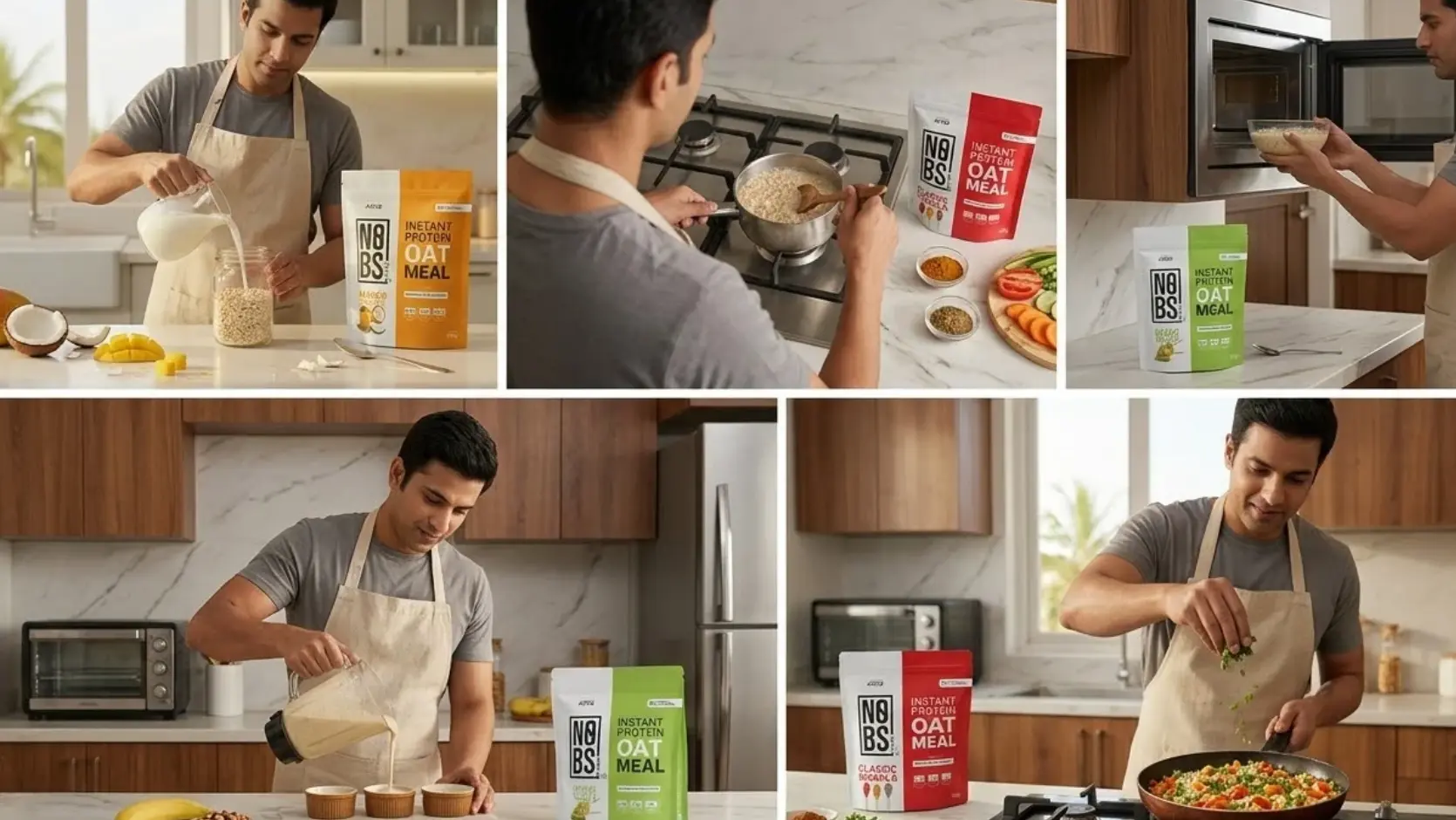
Rolled oats are forgiving. Use these ratios and timings as a starting point.
Stovetop Method
- Bring 1 cup (200-250 ml) water or milk to a boil.
- Add 40-50g rolled oats and a pinch of salt.
- Simmer on low for 5-7 minutes, stirring now and then.
- Rest for one minute, then add toppings.
Overnight Method
Mix 40g rolled oats with 100-120 ml milk and 50g curd or yogurt, cover and refrigerate for six hours or overnight. Rolled oats are ideal here because they soften without turning to mush. Our overnight oats recipe has full variations.
Microwave Method
Combine 40g oats with 200 ml liquid in a large bowl, microwave for 90 seconds, stir, then cook another 30-60 seconds. Use a big bowl so it does not boil over.
Rolled Oats Recipe Ideas for Indian Kitchens
Rolled oats fit into Indian food far beyond sweet porridge.
| Recipe | Base | Approx. per serving | Best for |
| Oats upma | 40 g oats + vegetables | ~265 kcal, 10 g protein | Savoury breakfast |
| Oats besan chilla (2) | 40 g oats + 30 g besan | ~330 kcal, 14 g protein | High-protein breakfast |
| Kesar milk oats | 40 g oats + 200 ml toned milk | ~272 kcal, 13 g protein | Comfort bowl |
| Curd overnight oats | 40 g oats + 100 g curd + 100 ml milk | ~274 kcal, 13 g protein | No-cook mornings |
| Oats dosa | 40 g oats + rava + curd | ~250-300 kcal | South Indian breakfast |
Find step-by-step versions in oats upma, oats chilla and our collection of healthy oats recipes.
Using Rolled Oats by Goal
For Fat Loss
Keep the base at 30-40g, cook in water or toned milk, add 15-25g protein from curd, whey or eggs, and choose fruit or vegetables over sugar.
For Muscle Gain
Use 60-70g rolled oats cooked in milk with nut butter, banana and a protein source. That bowl can reach 600+ kcal and 35g+ protein – see oats for muscle gain.
For Busy Mornings
Rolled oats can be prepped in batches. Measure dry portions into jars on Sunday, or make three overnight jars at once.
Rolled Oats vs Protein Oats: Which Should You Buy?
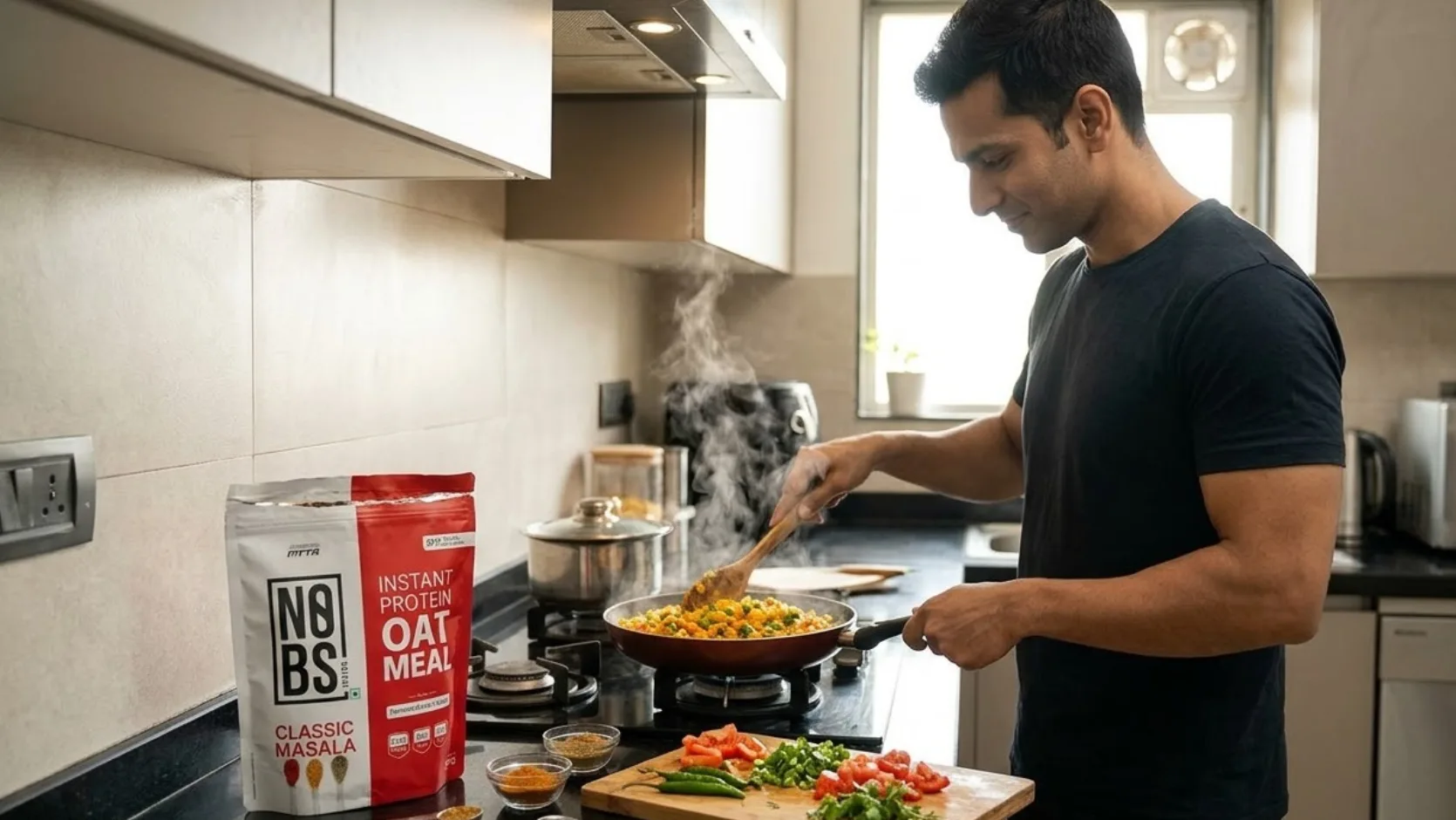
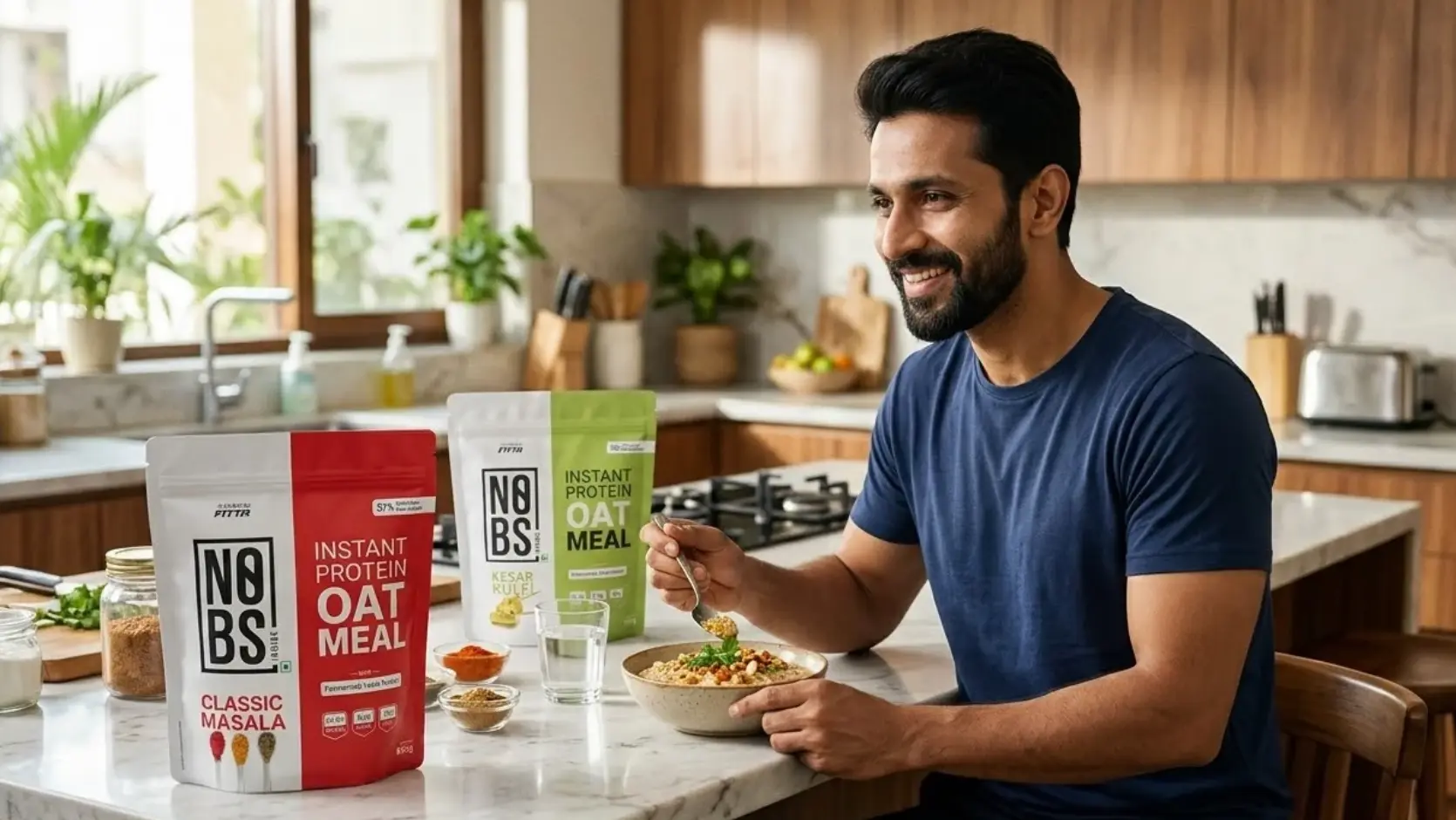
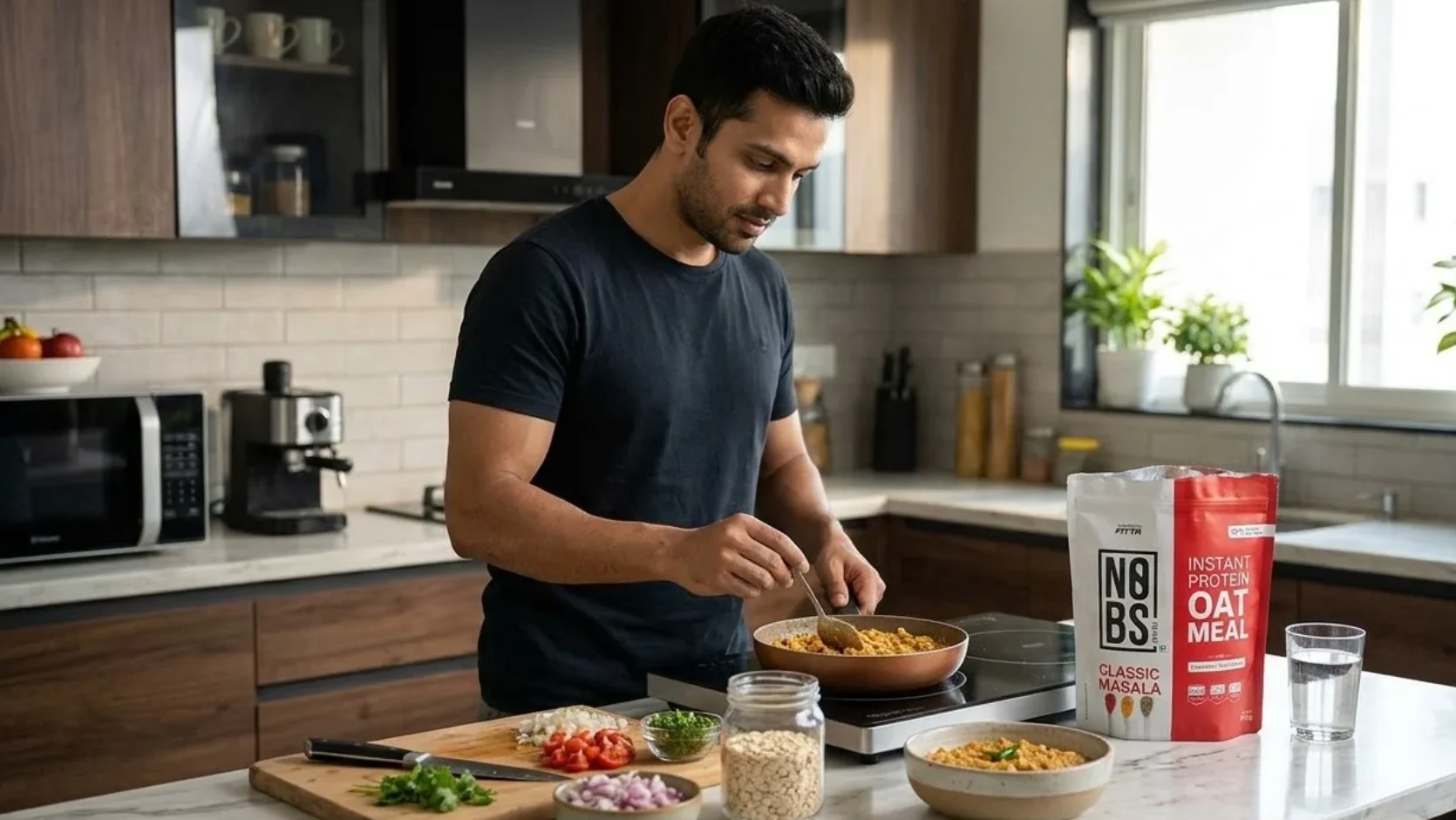
Plain rolled oats are the most affordable and versatile base, but 40g gives under 7g protein. A protein oatmeal closes that gap without extra steps.
| Plain rolled oats (40 g) | No BS Protein Oats (1 serving) | |
| Protein | ~6.8 g | 26-32 g |
| Protein source | Oat protein only | Complete yeast protein, PDCAAS 1.0 |
| Dairy | None | Dairy-free |
| Flavour | Plain | Classic Masala, Mango Coconut, Kesar Kulfi |
| Prep | 5-10 min | Quick to prepare |
Many people keep both: rolled oats for savoury cooking and baking, and No BS Protein Oats in Mango Coconut for quick high-protein breakfasts. Read protein oats vs regular oats for a fuller comparison.
Common Mistakes When Cooking Rolled Oats
Rolled oats are simple, but a few habits make them gluey, bland or less filling than they should be.
- Too much liquid: start with roughly 1 part oats to 4-5 parts liquid by volume, then adjust. Too much water gives a thin, watery bowl.
- Stirring constantly: heavy stirring breaks the flakes and releases starch, making the texture gluey. Stir only now and then.
- Skipping salt: a small pinch, even in sweet porridge, brings out the nutty flavour.
- Cooking on high heat: milk-based oats catch and burn easily. Keep the flame low after the first boil.
- No protein: a bowl of only oats and fruit digests fast. Add curd, milk, whey, eggs or paneer.
- Leaving toppings unmeasured: a “drizzle” of honey and a “spoon” of peanut butter can add 150 kcal without you noticing.
Quick Fix for Savoury Rolled Oats
Dry-roast the flakes in a pan for two minutes before adding water. Toasting gives savoury dishes like upma and khichdi a separate, fluffy texture rather than a porridge-like one.
How to Buy and Store Rolled Oats
- Check the ingredient list: it should say only “rolled oats” or “whole grain oats”.
- Avoid packs with added sugar, maltodextrin or flavouring if you want plain oats.
- If you have coeliac disease, choose certified gluten-free oats.
- Store in an airtight jar in a cool, dry place; use within a few months of opening.
- Keep away from moisture to prevent clumping and insects.
The Bottom Line
Rolled oats are whole grain oats that have been steamed and flattened, giving you most of the slow-digesting benefits of steel-cut oats with a much shorter cooking time. “Normal” or quick oats are simply thinner versions, while instant oats are the most processed and digest fastest.
Per gram, rolled oats offer about 389 kcal, 17g protein and 10.6g fiber per 100g, plus beta-glucan and key minerals. Build each bowl with a protein source, keep sugar low and use them across sweet and savoury Indian recipes, and rolled oats become one of the most dependable staples in your kitchen.
Frequently Asked Questions
What is rolled oats?
Rolled oats are whole oat groats that have been steamed and pressed into flat flakes. They are a whole grain and cook in about 5-10 minutes.
What is the difference between rolled oats and normal oats?
“Normal” oats in India usually means quick oats – rolled oats cut smaller and rolled thinner. They cook faster and digest a little quicker, but nutrition per gram is similar.
Are rolled oats healthier than instant oats?
Per gram they are nutritionally similar, but rolled oats digest more slowly and have a lower glycemic index, and plain packs avoid the added sugar in many flavoured instant sachets.
Can I eat rolled oats without cooking?
Yes. Rolled oats are already steamed, so they can be soaked overnight in milk or curd, or blended into smoothies. Soaking makes them easier to digest.
How much rolled oats should I eat per day?
Most people do well with 30-50g dry rolled oats per meal. Adjust based on your calorie target using a BMR or macro calculator.
Are rolled oats good for weight loss?
Yes, when portioned sensibly and paired with protein. Their fiber keeps you full, which helps you manage overall calorie intake.
Make Every Rolled Oats Bowl Count
Rolled oats, whole grain oats or the “rolled oats meaning” on your pack – whichever you searched, the takeaway is simple: they are the everyday oats, quick to cook and rich in fiber.
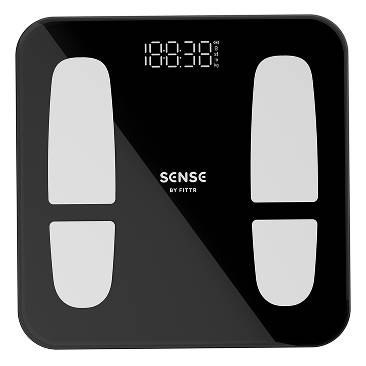
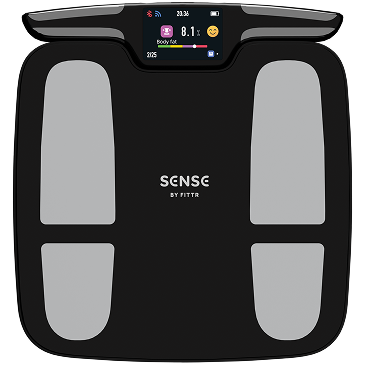
Pair them with protein, or keep a pack of No BS Protein Oats for 26-32g protein mornings, and track your progress over time with the SENSE Smart Scale.