


Why Everyone Is Talking About Protein Oats
Protein oats have gone from a niche gym product to a regular sight on Indian supermarket shelves. Brands promise 20g, 25g or even 30g of protein per bowl, compared with the 5-8g you get from a regular serving of plain oats. But are protein oats actually better, or just regular oats with a premium price tag?
The honest answer: it depends on your goal, your current protein intake and what is inside the pack. This guide compares protein oats and regular oats on protein, ingredients, cost per gram of protein and practicality, so you can decide whether a protein oatmeal like No BS Protein Oats is worth it for you.
What Makes Oats “Protein Oats”?
Oats naturally contain more protein than most grains – about 16.9g per 100g dry, according to standard food-composition data (Indian labels often show 12-14g). But a normal 40g serving still gives under 7g.
Protein oats close that gap by adding a concentrated protein source to the oats. Depending on the brand, that might be:
- Whey protein (from milk)
- Soy protein isolate
- Pea or other plant proteins
- Yeast protein (fermentation-based, dairy-free)
- Milk solids or milk protein concentrate
The type and amount of added protein is what separates a genuine high-protein product from one that simply uses the word on the front of the pack.
Protein Per Serving Compared
Here is how a typical bowl of regular oats compares with a serving of protein oats.
| Option | Typical serving | Protein |
| Plain rolled oats, cooked in water | 40 g dry | ~6.8 g |
| Plain rolled oats in 200 ml toned milk | 40 g dry | ~13 g |
| Plain oats + 1 scoop whey | 40 g + 30 g | ~31 g |
| No BS Protein Oats | 1 serving | 26-32 g |
What the Table Tells You
Regular oats can reach protein-oats levels – but only if you add milk and a scoop of protein powder every time. Protein oats build that protein into the bowl, so you get the same result with one ingredient and less effort. For more detail on plain oats, see how much protein is in oats.
Protein Source Matters: Whey, Soy or Yeast
Not all added protein is equal. Two factors decide quality: whether the protein is complete (contains all nine essential amino acids) and how well it is digested. PDCAAS is a standard score that rates both, with 1.0 the maximum.
| Protein source | Complete? | Dairy-free? | Notes |
| Whey | Yes | No | Excellent if you digest dairy well |
| Soy isolate | Yes | Yes | Some people avoid soy |
| Pea | Usually short in methionine | Yes | Often blended with other proteins |
| Yeast protein | Yes | Yes | Vegan, soy-free; Fittr’s scores PDCAAS 1.0 |
No BS Protein Oats uses complete yeast protein with a PDCAAS of 1.0, making it dairy-free while matching whey on protein quality. Our guide to yeast protein explains how it is made.
Protein Oats Benefits
Why choose protein oats over regular oats? The main protein oats benefits are practical.
- Higher protein per bowl: 26-32g in one serving of No BS Protein Oats, compared with under 7g from 40g plain oats.
- Better fullness: protein and fiber together keep hunger away for longer than oats alone.
- Muscle support: reaching 25-30g protein per meal helps with recovery and lean mass.
- Convenience: no measuring powders or extra prep.
- Consistency: a fixed protein amount every bowl makes tracking easier.
Are Protein Oats Healthy?
Protein oats can be very healthy – or no better than a sugary cereal. The label decides.
Signs of a Good Protein Oats Product
- Protein of 20g+ per realistic serving.
- A complete protein source, ideally with a stated quality score.
- Oats as the base ingredient, not sugar or maltodextrin.
- No preservatives or artificial flavours.
- Independent lab testing of nutrition claims.
Red Flags
- “High protein” on the front but under 12-15g per serving.
- Sugar or syrups listed among the first ingredients.
- Long lists of thickeners, artificial flavours and colours.
- Protein from blends that are not disclosed.
No BS Protein Oats is built around these principles: no preservatives, no artificial flavours, no empty fillers, and nutrition claims tested in NABL-accredited labs.
Cost Per Gram of Protein: How to Compare
Protein oats price usually looks higher than plain oats on the shelf. A fairer comparison is cost per gram of protein, because that is what you are really paying for.
The Simple Formula
Cost per gram of protein = price of one serving ÷ grams of protein in that serving
How to Run the Comparison Yourself
- Find the cost per serving: divide the pack price by the number of servings printed on the pack.
- Note protein per serving: take it from the nutrition label, not the front of the pack.
- Divide: cost per serving ÷ grams of protein gives cost per gram of protein.
- Match the protein: if plain oats need milk and a scoop of whey to reach 25-30g, add the cost of those too.
- Compare like with like: set each option at the same protein level before deciding which is cheaper.
| Option | Protein per bowl | What to add to the cost |
| Plain oats in water | ~6.8 g | Oats only |
| Plain oats + toned milk | ~13 g | Oats + 200 ml milk |
| Plain oats + milk + whey | ~37 g | Oats + milk + 1 scoop whey |
| Protein oats | 26-32 g | One serving only |
Plain oats almost always look cheapest per bowl, but they deliver little protein on their own. Once you add milk and protein powder to reach the same protein level, the gap usually narrows. Count the time saved and the number of ingredients you need to keep at home too. Our oats price in India guide covers typical price ranges.
Protein Oats Breakfast Ideas
Protein oats work best when the bowl stays simple. Here are easy ways to use them without piling on calories.
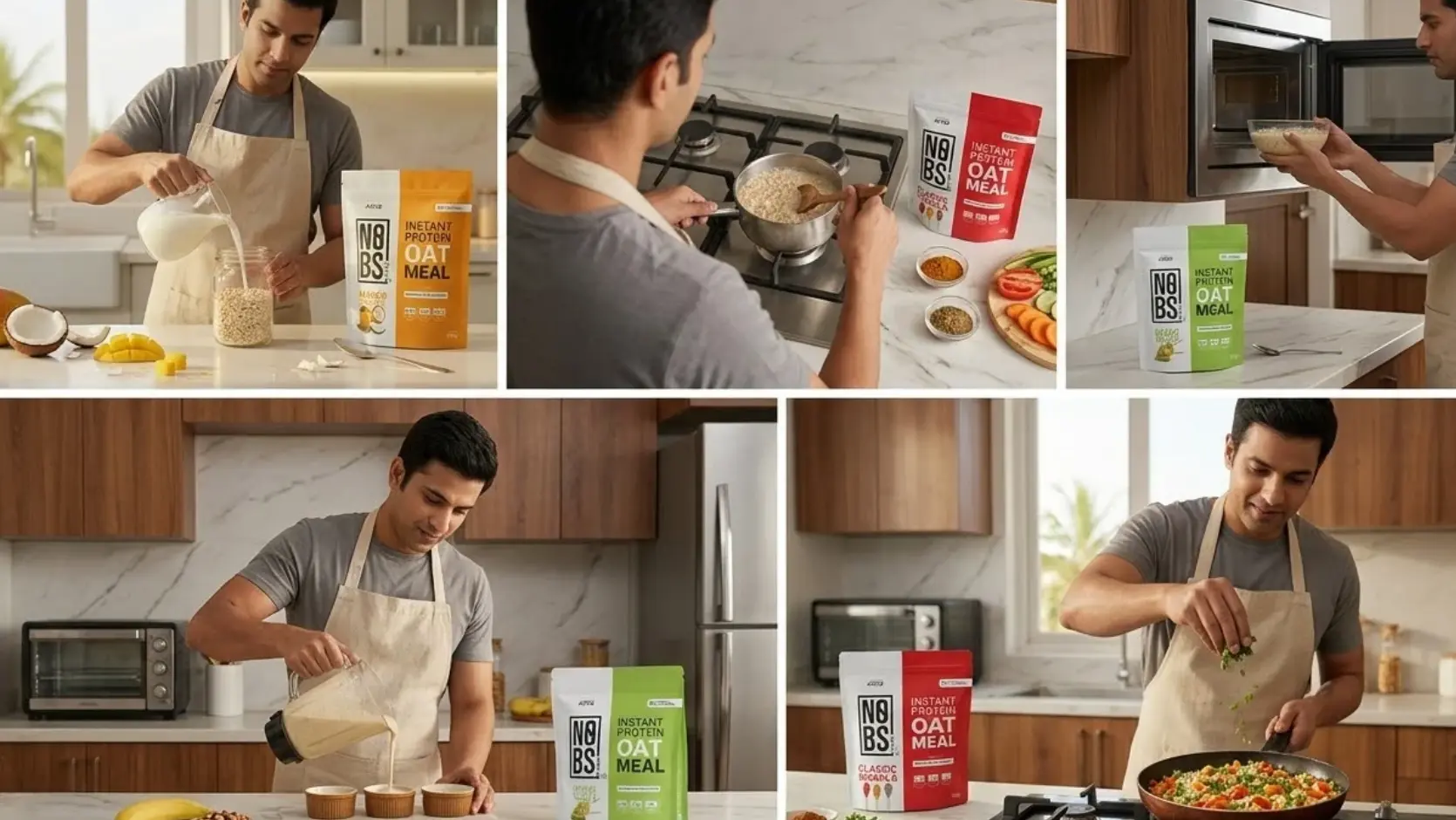
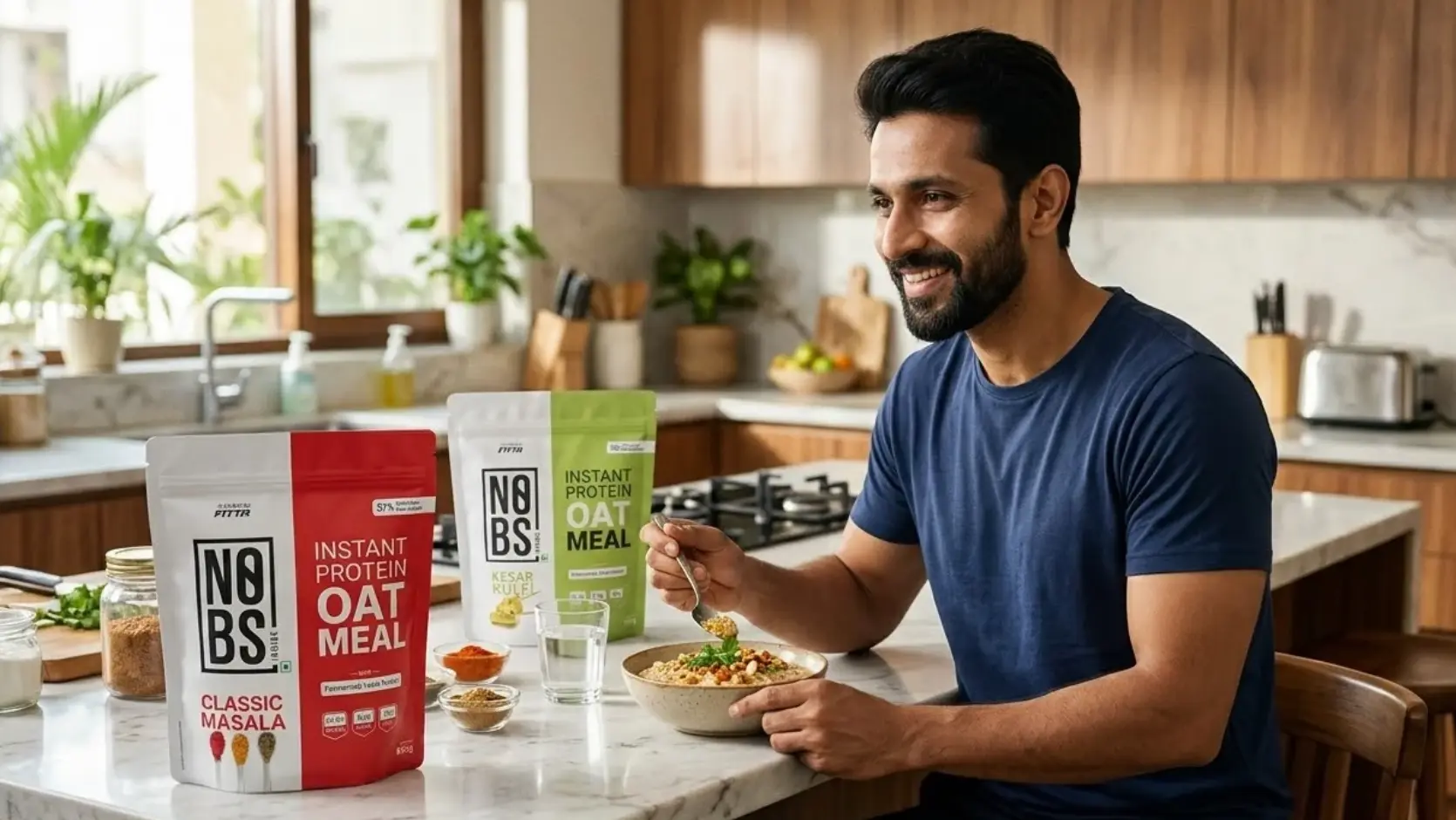
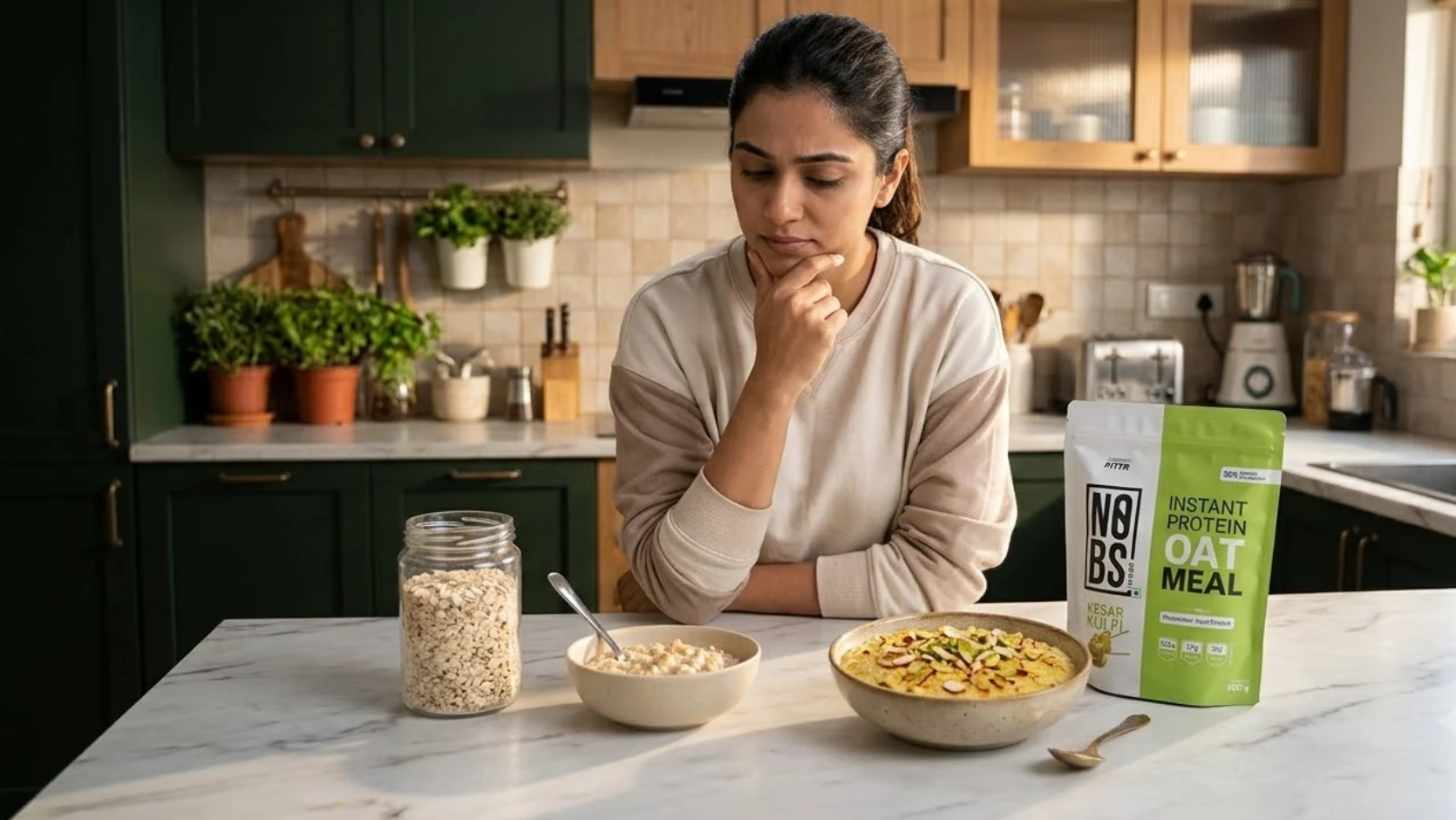
- Kesar breakfast bowl: Kesar Kulfi protein oats topped with a few chopped almonds and a pinch of cardamom.
- Tropical bowl: Mango Coconut protein oats with diced fresh fruit and a teaspoon of chia seeds for extra fiber.
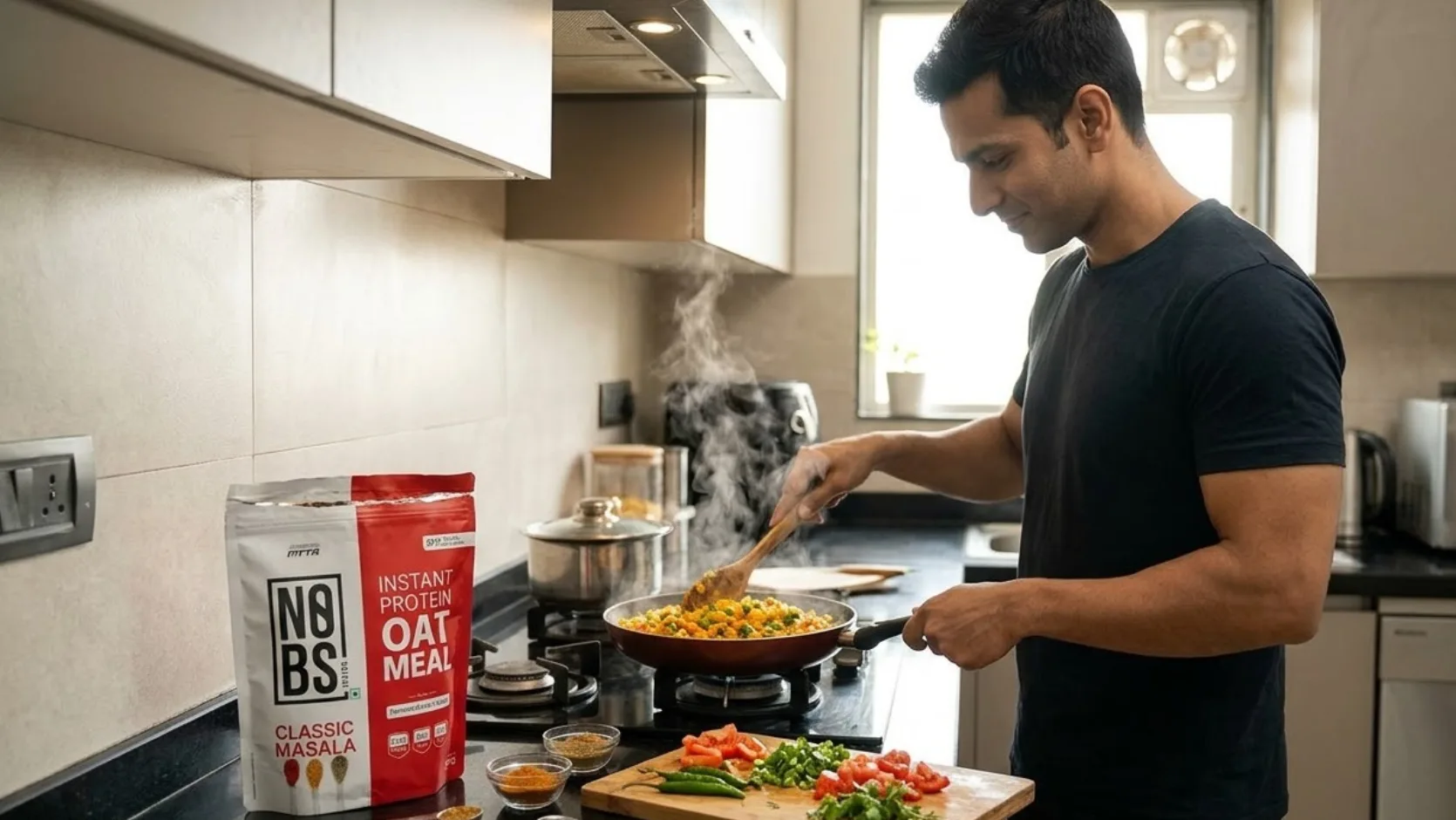
- Savoury bowl: Classic Masala protein oats with sautéed onion, tomato and spinach for volume.
- Overnight jar: prepare a serving the night before for a no-cook morning – see our overnight oats recipe.
- Post-workout bowl: a serving with a banana for faster carbs after training.
Keep added nuts and fruit measured. A small handful of almonds adds about 70 kcal, and a medium banana about 105 kcal.
Who Needs Protein Oats?
Protein Oats Make Sense If You…
- Struggle to eat enough protein at breakfast.
- Want a quick breakfast that fits fat-loss or muscle-gain goals.
- Avoid dairy or eggs in the morning.
- Train regularly and want consistent protein intake.
- Prefer one simple product over oats, milk and powder.
Regular Oats Are Enough If You…
- Already eat eggs, paneer, curd or a protein shake at breakfast.
- Use oats mainly in savoury cooking like upma or chilla.
- Are on a tight budget and have other protein sources covered.
Many people keep both: plain oats for cooking and baking, and protein oats for quick high-protein mornings.
High Protein Oats for Weight Loss
For fat loss, protein is your best friend. It keeps you fuller, helps protect muscle in a calorie deficit and slightly raises the energy your body uses to digest food. High protein oats for weight loss work because they pair protein with fiber in one bowl.
How to Use Protein Oats in a Fat-Loss Plan
- Eat one serving for breakfast, prepared with water or a light milk.
- Add fruit or a few seeds rather than sugar or syrups.
- Balance the rest of the day with vegetables, dal, lean protein and whole grains.
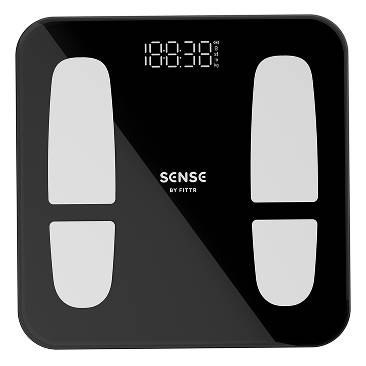
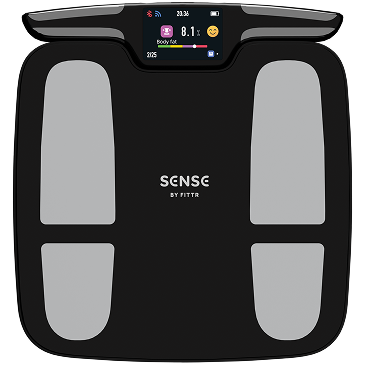
- Track weekly progress with a scale like the SENSE Smart Scale rather than daily weight swings.
Fittr’s guides to how to eat oats for weight loss and high protein oats go deeper.
How to Read a Protein Oats Label
Use this 30-second check before buying any protein oats.
- Serving size: how many grams is one serving, and is it realistic?
- Protein per serving: aim for 20g or more.
- Ingredient order: oats and protein should come before sugar.
- Protein source: whey, soy, pea or yeast – pick what suits your diet.
- Additives: check for preservatives, artificial flavours and colours.
- Testing: look for independent lab verification of claims.
The Bottom Line
Protein oats are regular oats with a concentrated protein source added, and the good ones deliver 20-30g+ protein per serving compared with under 7g from plain oats. They are worth it if you struggle to get protein at breakfast, want convenience or avoid dairy – provided the label shows real protein, a complete source and little added sugar.
Regular oats are still a great, affordable whole grain. Choose based on your goal, your existing protein intake and the cost per gram of protein rather than the shelf price alone.
Frequently Asked Questions
Are protein oats better than regular oats?
For protein, yes – good protein oats deliver 20-30g+ per serving versus under 7g in 40g plain oats. Regular oats are still a healthy, affordable whole grain base.
Are protein oats healthy?
They can be, if they use a complete protein source, have little added sugar and avoid unnecessary additives. Always check the label.
What are the best oats for protein?
Look for protein oats with 20g+ protein per serving from a complete source, such as whey, soy or yeast protein. No BS Protein Oats gives 26-32g of dairy-free yeast protein.
Can I make protein oats at home?
Yes. Cook plain oats in milk and stir in a scoop of protein powder after cooking. This works well but takes more steps and ingredients.
Are protein oats good for weight loss?
Yes, when portions are sensible and toppings are light. Protein and fiber together help control hunger in a calorie deficit.
Is protein oats price worth it?
Compare cost per gram of protein rather than price per pack. Once you add milk and protein powder to plain oats, the gap often narrows.
Pick the Oats That Fit Your Goal
Protein oats, the best oats for protein or high protein oats for weight loss – across every search, the deciding factor is simple: how much complete protein each bowl actually delivers.
Get 26-32g of dairy-free, PDCAAS 1.0 protein in one bowl with No BS Protein Oats, try the Mango Coconut flavour, or save with the combo pack.