






Why Reading a Scale Correctly Matters More Than You’d Think
Getting a genuinely accurate weighing scale reading depends on more than just the device itself – how you interpret the display, when you check it, and how you’re standing all affect the number you actually walk away with. This guide covers exactly how to read a weighing scale correctly, whether you’re working with an old-style dial or a modern digital display, so the number you record actually reflects a reliable, comparable reading rather than one skewed by a simple misread or inconsistent habit.
The Basics: What a Weighing Scale Reading Actually Tells You
A weighing scale reading reflects your total mass at that exact moment, influenced by everything from hydration to the timing of your last meal, not a fixed, permanent number. Understanding this context is the first step to reading a scale correctly and interpreting what it shows you. A single reading is a snapshot, not a verdict – genuinely useful interpretation comes from comparing readings taken under consistent conditions over time, rather than treating any one number as a definitive statement about your body on that particular day.
Reading a Scale With a Dial vs a Digital Display
Dial Scales
A dial scale requires interpreting a needle’s position relative to printed markings, which introduces a small amount of subjective judgment, particularly with imprecise or worn dials on older units.
Digital Scales
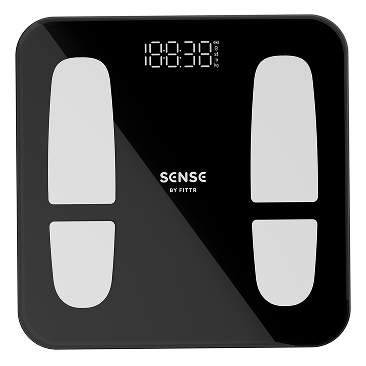
A digital scale removes this ambiguity entirely, displaying an exact numeric value that requires no interpretation or judgment call from whoever’s reading it.
Getting an Accurate Weighing Scale Reading Every Time
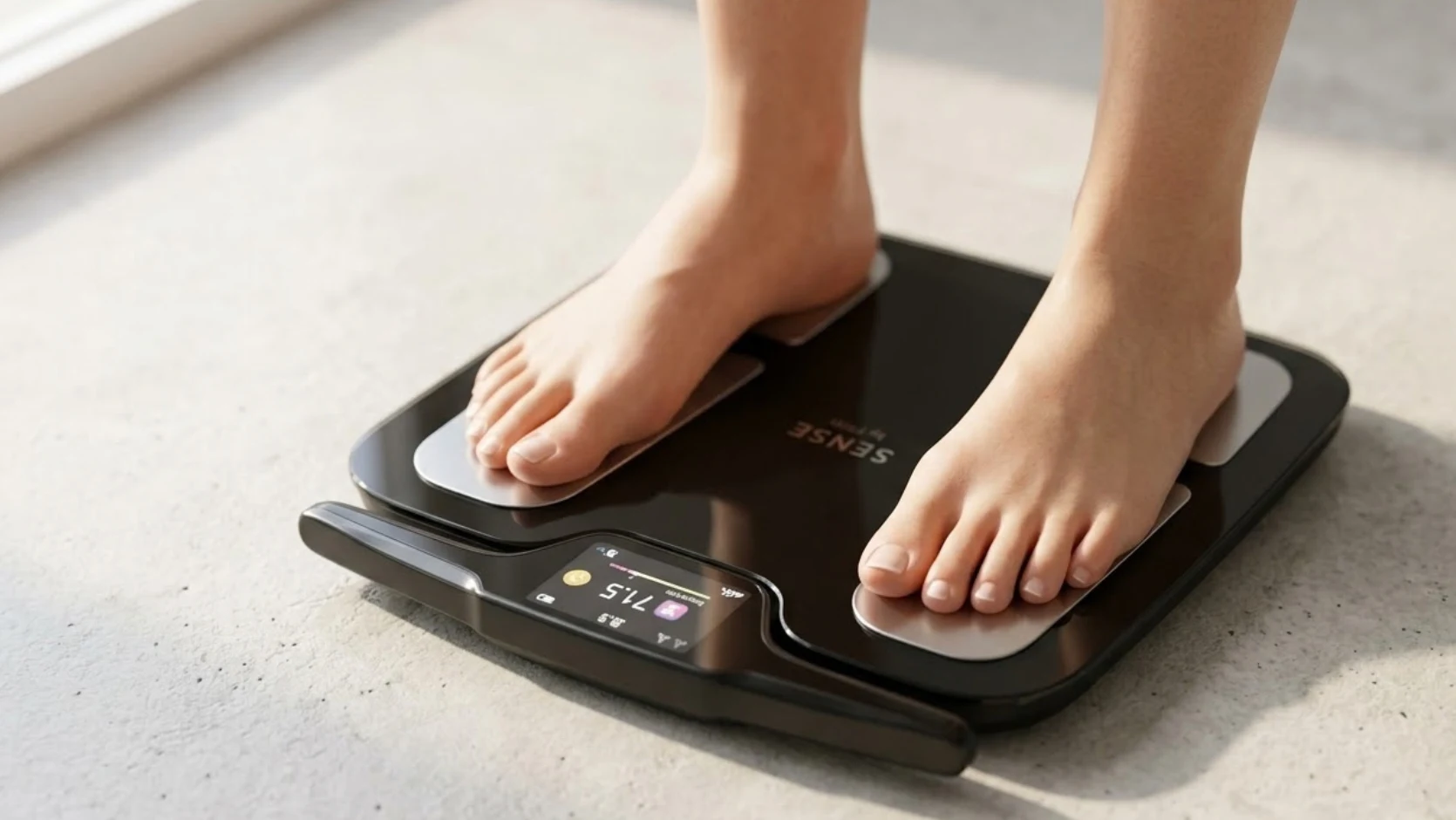
For the most consistent weighing scale reading, weigh yourself at the same time each day – ideally first thing in the morning before eating or drinking – and stand still and centred on the platform rather than shifting your weight or standing at the edge. These habits matter as much as the scale’s own quality, since even a precise, well-made device can’t compensate for inconsistent timing or positioning that introduces unnecessary variability into a reading that should otherwise be genuinely comparable from one day to the next.
Bathroom vs Kitchen vs Postal: Reading the Right Increment
Bathroom Scales
A bathroom scale reading in whole kilograms or half-pound increments is perfectly adequate for tracking body weight trends, since day-to-day changes rarely matter at a finer resolution than this.
Kitchen Scales
A kitchen scale, by contrast, typically reads to a single gram, since baking and portion control genuinely benefit from that finer precision in a way body weight tracking simply does not require.
Postal and Shipping Scales
A postal or shipping scale usually reads in larger increments still, appropriate for its context where fractional grams are functionally irrelevant to shipping cost calculations.
Why Your Weighing Scale Reading Fluctuates
A weighing scale reading naturally shifts day to day due to hydration, recent food intake, sodium consumption, and even hormonal factors, none of which reflect genuine fat or muscle change. Understanding this prevents unnecessary worry over completely normal variation. Rather than reacting to any single day’s number, tracking your trend over multiple weeks reveals whether your weight is genuinely moving in a meaningful direction, filtering out the day-to-day noise that would otherwise make interpreting a single weighing scale reading needlessly confusing.
Reading a Smart Scale’s Additional Data
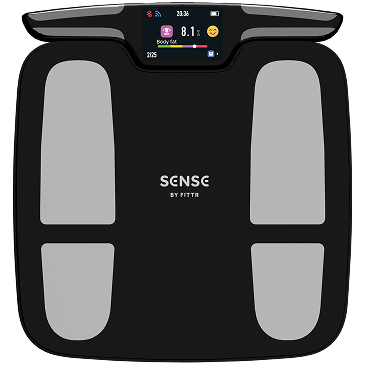
Beyond a basic weighing scale reading, smart scales add body composition figures – fat percentage, muscle mass, water percentage – each requiring its own interpretation context. These additional numbers are estimates, more volatile than total weight alone, and benefit even more from being read as trends rather than single-day figures. Learning to read a smart scale’s full data set correctly means understanding that some figures, like water percentage, will naturally fluctuate more than others, and treating every number with the same level of day-to-day scrutiny leads to unnecessary confusion rather than clarity.
Common Reading Mistakes to Avoid
A few habits lead to misreading a weighing scale. Weighing at different times of day and comparing those numbers directly is one of the most common mistakes, since morning and evening weight simply aren’t comparable. Weighing on different surfaces – carpet one day, tile the next – introduces inconsistency unrelated to your actual weight. Standing off-centre on the platform can also skew a reading slightly, particularly on cheaper single-sensor scales that don’t correct for uneven weight distribution the way better four-point designs generally do.
Reading Scales in a Clinical or Gym Setting
Professional weighing scale readings, taken in a clinic or gym, often follow stricter protocols than home use – consistent clothing, specific timing, and a trained staff member handling the actual measurement and recording. Understanding these differences helps explain why a clinical reading might differ from your home scale’s number. Neither reading is inherently “wrong” if each is internally consistent within its own context; the goal is understanding that comparing a home reading directly against a clinical one, taken under different conditions, rarely provides a genuinely meaningful comparison worth worrying over.
Teaching Children to Read a Scale Correctly
If children in your household use a shared weighing scale, teaching them to read it correctly – standing still, centred, and understanding that day-to-day fluctuation is normal – helps build healthy habits around weight awareness from an early age. This is particularly relevant for households using a smart scale with multiple readable data points, where explaining what each number does and doesn’t mean prevents a child from misinterpreting normal fluctuation as something concerning, especially given how much emotional weight numbers on a scale can carry during formative years of body awareness.
Common Myths About Reading a Weighing Scale
A few misconceptions are worth clearing up.
- A single weighing scale reading isn’t diagnostic; the multi-week trend is what actually reveals meaningful change over time.
- Digital displays aren’t inherently more accurate than dials; both depend on the underlying sensor quality behind the reading.
- Morning and evening readings aren’t directly comparable; consistent timing matters more than which specific time you choose.
- A scale reading differing from a clinical one doesn’t mean either is wrong; different conditions naturally produce different numbers.
- Body composition figures on a smart scale fluctuate more than total weight and shouldn’t be read with the same daily scrutiny.
The Bottom Line
Reading a weighing scale correctly comes down to a few genuine fundamentals: consistent timing, correct standing position, and interpreting the number as one data point within a broader trend rather than a standalone verdict. Whether you’re working with a dial, a basic digital display, or a full smart scale reporting body composition data, these same principles apply. Get the reading habit right, and the number you see each time becomes genuinely useful information rather than a source of daily confusion or unnecessary worry.
Frequently Asked Questions
How do I get an accurate weighing scale reading?
Weigh at a consistent time, ideally each morning before eating, and stand still and centred on the platform every time.
Why does my weighing scale reading change every day?
Hydration, food intake, sodium consumption and hormonal factors all cause normal daily fluctuation unrelated to genuine fat or muscle change.
Is a digital or dial scale easier to read accurately?
Digital displays remove interpretation entirely, showing an exact number, while dial scales require reading a needle’s position.
Should I read my scale’s number daily or weekly?
Reading the trend over several weeks is more meaningful than reacting to any single day’s weighing scale reading.
Why does my home reading differ from a clinical scale?
Different surfaces, timing, clothing and protocols mean home and clinical readings aren’t always directly comparable to each other.
Every Accurate Reading Counts.
Learning how to read a weighing scale correctly – whether checking a weighing scale reading on a dial or a smart digital display – comes down to consistency and context, not chasing a single perfect number. Working with a coach can help you interpret your readings correctly and turn them into genuine, actionable progress over time.