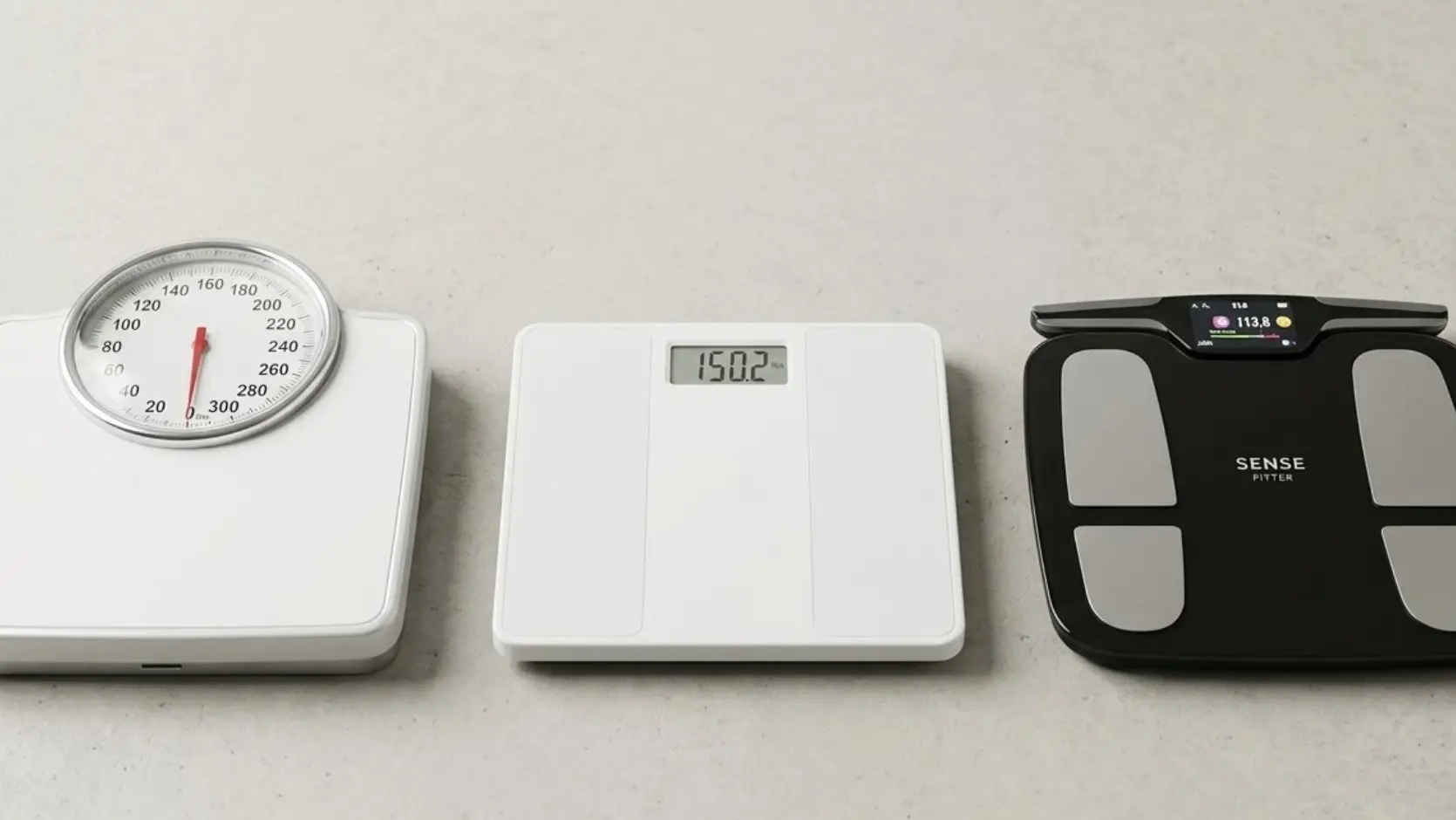
A Decision-Focused Look at Weighing Scale Types
Rather than simply describing the 3 types of weighing scales that exist, this guide focuses specifically on when to actually use each one – matching the right kind of weighing scale to your specific situation rather than just cataloguing the technical differences between them. Understanding not just what each type is, but genuinely when it makes practical sense to choose it over the alternatives, helps you make a confident, well-matched decision rather than defaulting to whichever option seems most modern or most familiar to you.
The Three Types
Type One: Mechanical Scale – When Simplicity Wins
A mechanical scale uses a spring or balance beam, with no batteries or electronics involved. Choose this type specifically when you want zero battery dependency, genuinely prefer a mechanical interface, or need a reliable backup that’s always ready regardless of how long it’s sat unused. A mechanical scale makes less sense when precision matters considerably to your goals, or when you want body composition tracking or app connectivity – features a purely mechanical design simply cannot provide, regardless of how well-built or expensive the specific unit might be.
Type Two: Basic Digital Electronic Scale – When Precision Matters
A basic digital electronic scale uses load cell sensors for a precise numeric display without additional smart features. Choose this type when you want sharper accuracy and easier reading than mechanical, but don’t need body composition tracking or app-based trend monitoring for your specific tracking goals. This type makes the most sense for straightforward weight monitoring – general health tracking without a specific composition goal, or situations where simplicity combined with genuine precision matters more than the added complexity and cost of smart connected features you might not actually use regularly.
Type Three: Smart Connected Scale – When Tracking Depth Matters
A smart connected scale adds body composition estimation and app connectivity on top of basic digital weighing. Choose this type when you have a specific fat-loss, muscle-gain, or recomposition goal that genuinely benefits from tracking fat percentage and muscle mass alongside total weight over time. This type makes less sense if you’ll never actually engage with the additional data it provides, since paying for body composition tracking and app connectivity you won’t use adds cost without proportional benefit compared to a simpler digital electronic scale that costs meaningfully less.
Matching Household Situation to Scale Type
A single person with simple tracking needs often does well with a basic digital electronic scale, while a household with members pursuing active fitness goals gets more genuine value from a smart connected scale’s multi-user body composition tracking across the 3 types of weighing scales covered here. A mechanical scale suits households specifically prioritising zero battery dependency or genuine simplicity over any tracking depth, making it a reasonable choice regardless of household size, provided the more advanced tracking features of digital types genuinely aren’t a priority for anyone using it.
Matching Budget to Scale Type Choice
Among the kinds of weighing scale available, mechanical and basic digital electronic options typically sit at the more affordable end, while smart connected scales command a higher price reflecting their added sensor technology and app development investment behind the added tracking functionality. If budget is a primary constraint, a basic digital electronic scale often represents the best value among the 3 types, offering meaningfully better precision than mechanical without the added cost of smart features that might exceed your genuine tracking needs and actual budget constraints.
Matching Fitness Goals to Scale Type
For general health monitoring without a specific composition goal, either a mechanical scale or basic digital electronic model serves adequately, since total weight tracking alone answers most general health questions without needing additional body composition data layered on top. For anyone actively working toward fat loss, muscle gain, or body recomposition specifically, a smart connected scale genuinely earns its higher price by answering the question total weight alone cannot: is your body changing in the direction you actually want it to change toward your specific goal?
When Mechanical Scale Advantages Outweigh Digital Benefits
Despite digital’s clear advantages in most situations, a mechanical scale genuinely wins specifically when battery access is inconvenient, when you want a backup that never needs charging, or when you simply prefer the tactile, mechanical experience over a digital numeric display for personal reasons. Outside these specific scenarios, the precision and feature advantages of digital electronic or smart connected scales generally make them the stronger practical choice, reserving mechanical for situations where its particular strengths – simplicity, no battery dependency – genuinely matter more than precision.
Combining Multiple Types in One Household
Some households benefit from owning more than one type among the 3 types of weighing scales – a smart connected scale as the primary tracking device, alongside a simple mechanical scale kept as a backup that’s always ready regardless of battery status or charging schedule considerations. This combined approach isn’t necessary for most households, but it offers genuine peace of mind for anyone who’s experienced the frustration of a dead digital scale battery at an inconvenient moment, without wanting to sacrifice their primary device’s tracking depth and precision for everyday use.
A Practical Decision Framework
When deciding between the 3 types of weighing scales, ask yourself three questions in order: do you need body composition data for a specific fitness goal, does battery dependency genuinely concern you, and how important is precision to your tracking approach? Your answers point clearly toward one of the three categories. If you answered yes to body composition needs, a smart connected scale is worth its cost. If battery-free operation matters most, mechanical wins despite reduced precision. If neither applies strongly, a basic digital electronic scale offers the best balance of precision and value among the kinds of weighing scale available without unnecessary added cost.
Transitioning Between Scale Types Over Time
Many people move between the 3 types of weighing scales as their needs evolve – starting with a basic digital electronic scale for simple tracking, then upgrading to a smart connected model once a specific fitness goal develops that genuinely benefits from body composition data over time. This natural progression is worth keeping in mind when making your initial purchase – buying a basic model now doesn’t lock you out of upgrading later if your goals change, making it reasonable to start simple and add complexity only once you have a clear, specific reason that justifies the additional cost and features.
Testing Before Committing to a Scale Type
If you’re uncertain which of the 3 types of weighing scales genuinely suits you, consider borrowing or testing a friend’s smart scale before purchasing your own, or starting with an affordable basic digital model before investing in premium features you’re not yet sure you’ll actually use consistently over time. This cautious approach avoids the common mistake of overspending on features that ultimately go unused, letting your actual usage patterns and evolving goals guide any future upgrade decision rather than guessing upfront which specific type and feature set will genuinely suit your long-term tracking needs.
Common Myths About Weighing Scale Types
A few misconceptions are worth clearing up.
- A mechanical scale isn’t automatically inferior; it genuinely wins in specific scenarios like battery-free backup use or simplicity preference.
- The most feature-rich among the 3 types of weighing scales isn’t automatically the best choice if you won’t actually use those features.
- A basic digital electronic scale isn’t a compromise choice; it’s the right fit for straightforward tracking without composition needs.
- Smart connected scales don’t guarantee better tracking outcomes if you don’t consistently engage with the additional data provided.
- Choosing among the kinds of weighing scale should be driven by your actual use case, not simply picking the newest technology available.
The Bottom Line
Among the 3 types of weighing scales – mechanical, basic digital electronic, and smart connected – the right choice depends entirely on matching your specific situation: your budget, your household’s tracking goals, and how much you’ll genuinely engage with additional features. Rather than defaulting to the most advanced or most heavily marketed option, work through when each type genuinely makes sense, as covered in this guide, and you’ll choose a mechanical scale, digital electronic scale, or smart connected scale that truly fits your actual needs.
Frequently Asked Questions
What are the 3 types of weighing scales?
Mechanical scales using springs or beams, basic digital electronic scales, and smart connected scales with body composition and app tracking.
When should I choose a mechanical scale over digital?
When you want zero battery dependency, a reliable backup, or simply prefer a mechanical interface over a digital numeric display.
Is a basic digital electronic scale enough for general tracking?
Yes, for general health monitoring without a specific composition goal, a basic digital scale provides sufficient precision and reliability.
When is a smart connected scale worth the extra cost?
When you have a specific fat-loss, muscle-gain, or recomposition goal that benefits from body composition tracking over time.
Can I own more than one type of weighing scale?
Yes, some households keep a smart scale as primary and a mechanical scale as a battery-free backup for added peace of mind.
Ready to Get Started?
3 types of weighing scales, the kinds of weighing scale available, or a specific mechanical scale choice – matching the type to your actual situation is what genuinely matters, not chasing the newest technology. For body-weight tracking specifically, Fittr’s body fat calculator and nutrition articles can help you make the most of whichever type you choose.